
 13 Oct 2026









The United States Rapidly Expands Missile Production: Pentagon Accelerates Output of Tomahawks and Other Critical Weapons
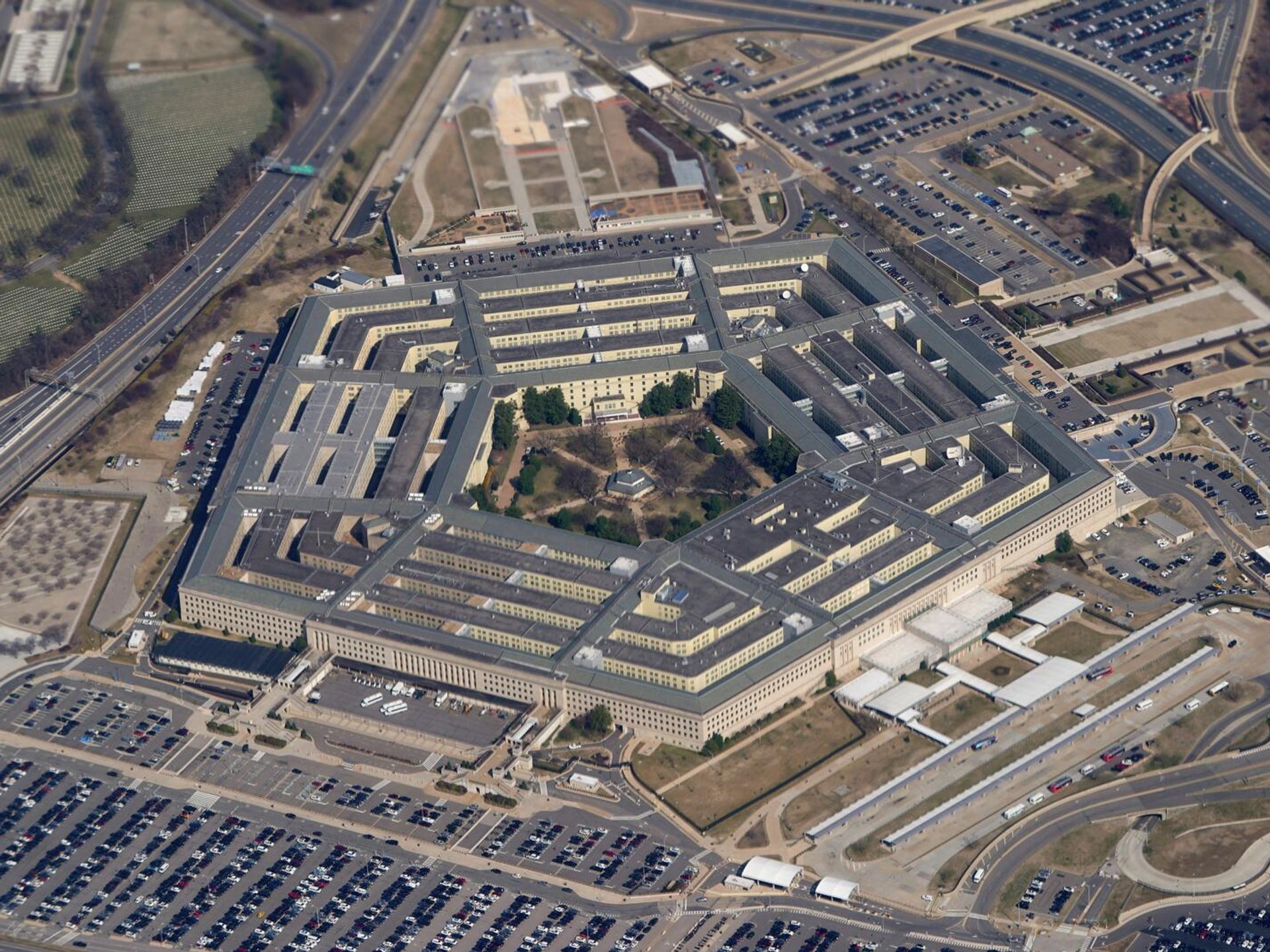
The United States is launching a major expansion of missile and other precision-guided weapons production amid the need to replenish its stockpiles and prepare for potential future crises. One of the biggest steps in this effort is a long-term contract with Raytheon aimed at increasing production of Tomahawk cruise missiles.
The U.S. Navy has awarded Raytheon a $22.9 billion contract for a period of seven years. The agreement предусматривает a sharp increase in Tomahawk production — from the current level of around 60 missiles per year to more than 1,000 units annually.
The contract is part of Washington’s broader strategy to rapidly expand its defense industrial base. In February 2026, Raytheon and the Pentagon had already announced agreements aimed at increasing production of several types of critical munitions, including Tomahawk missiles, AMRAAM air-to-air missiles, as well as SM-3 and SM-6 interceptors.
At the same time, the Pentagon is increasing pressure on defense companies, demanding significant reductions in weapons production and delivery timelines. In August, U.S. manufacturers were given 21 days to prepare plans for rapidly increasing the output of critical systems and expanding production capacity. Priority areas include air and missile defense systems, missile interceptors, target detection and tracking systems, and other types of precision-guided weapons.
Special attention is being given to replenishing stocks of Patriot and THAAD missiles, as well as other munitions that require long production cycles. The U.S. military leadership is seeking to move away from the traditional model of relatively slow production of expensive systems toward a more flexible and large-scale manufacturing model capable of responding more quickly to the intensive consumption of weapons.
The sharp increase in Tomahawk production is particularly significant for the U.S. armed forces. These long-range cruise missiles are used to conduct precision strikes against ground targets from surface ships and submarines and remain one of the key elements of the U.S. Navy’s strike capability.
The current program demonstrates that Washington views the restoration and expansion of its stockpiles of precision weapons as one of the most important national defense priorities. At the same time, the effort is not limited to replenishing munitions that have already been expended. It also involves creating production capacity capable of supporting the U.S. armed forces during a prolonged conflict or several simultaneous crises.
Thus, the United States is effectively entering a new phase of defense-industrial mobilization. The sharp increase in the production of Tomahawk missiles and other weapons is expected to become part of a broader restructuring of the U.S. defense industry, focused on accelerating deliveries, expanding production lines, and reducing dependence on limited weapons stockpiles.
The sharp increase in U.S. weapons production will not give Ukraine an immediate advantage. In the short term, Washington will likely prioritize replenishing its own stockpiles. However, if the expansion of Patriot and other critical systems proves successful, it could eventually reduce weapons shortages and make Western arms deliveries to Ukraine more stable. For Kyiv, the most important factor will not be the record Tomahawk contract itself, but the ability of the U.S. defense industry to significantly increase the production of air defense systems and missile interceptors. It is this factor that could have the most direct impact on Ukraine’s ability to repel Russian air attacks.


 Latest news
Georgia’s Constitutional Court Continues Case on Banning Opposition Parties: Political Pluralism at Stake
12.Oct.2026
Azerbaijan and Iran Step Up Security Contacts Amid Hijab Protests
12.Oct.2026
Personnel Shortages Complicate Ukrainian Forces’ Rotation: Ukraine Faces Long-Term Challenges on the Front Line
11.Oct.2026
Trump Eases Sanctions on Russian Fuel After Talks with Putin: Kyiv Fears Boost to Moscow’s War Revenues
10.Oct.2026
Putin Seeks to Strengthen Russia’s Influence in the Post-Soviet Space Through the CIS
10.Oct.2026
Russia and the South Caucasus: External Pressure, Political Competition and a Crisis of Trust
10.Oct.2026
Peaceful Settlement Between Armenia and Azerbaijan: Moving from Declarations to Implementation
10.Oct.2026
Moldova Ready to Accept as Many Ukrainians as Necessary if Situation Worsens This Winter
09.Oct.2026
Turkmenistan Turns Avaza into a Regional Diplomatic Hub as Caspian, Central Asian and CIS Agendas Converge
08.Oct.2026
Romania Scrambles Spanish F-18s After Aerial Targets Detected Near Ukrainian Border
07.Oct.2026
Berlin Deepens Defence Partnership with Kyiv: Germany to Provide Ukraine with €1 Billion in Military Aid
07.Oct.2026
European Parliament Against Georgian Dream: EU Prepares New Response to Tbilisi
06.Oct.2026
Bulgarian Foreign Minister to Discuss European Security and International Law in the Netherlands
05.Oct.2026
Rheinmetall in Bulgaria: Sofia Emerges as a New NATO Defence-Industrial Hub in the Balkans
05.Oct.2026
The Cost of a Long War: Moscow Expands Spending Plans Through 2029
05.Oct.2026