
 28 Jul 2026









Iran Attacks Gulf States Despite President’s Apology
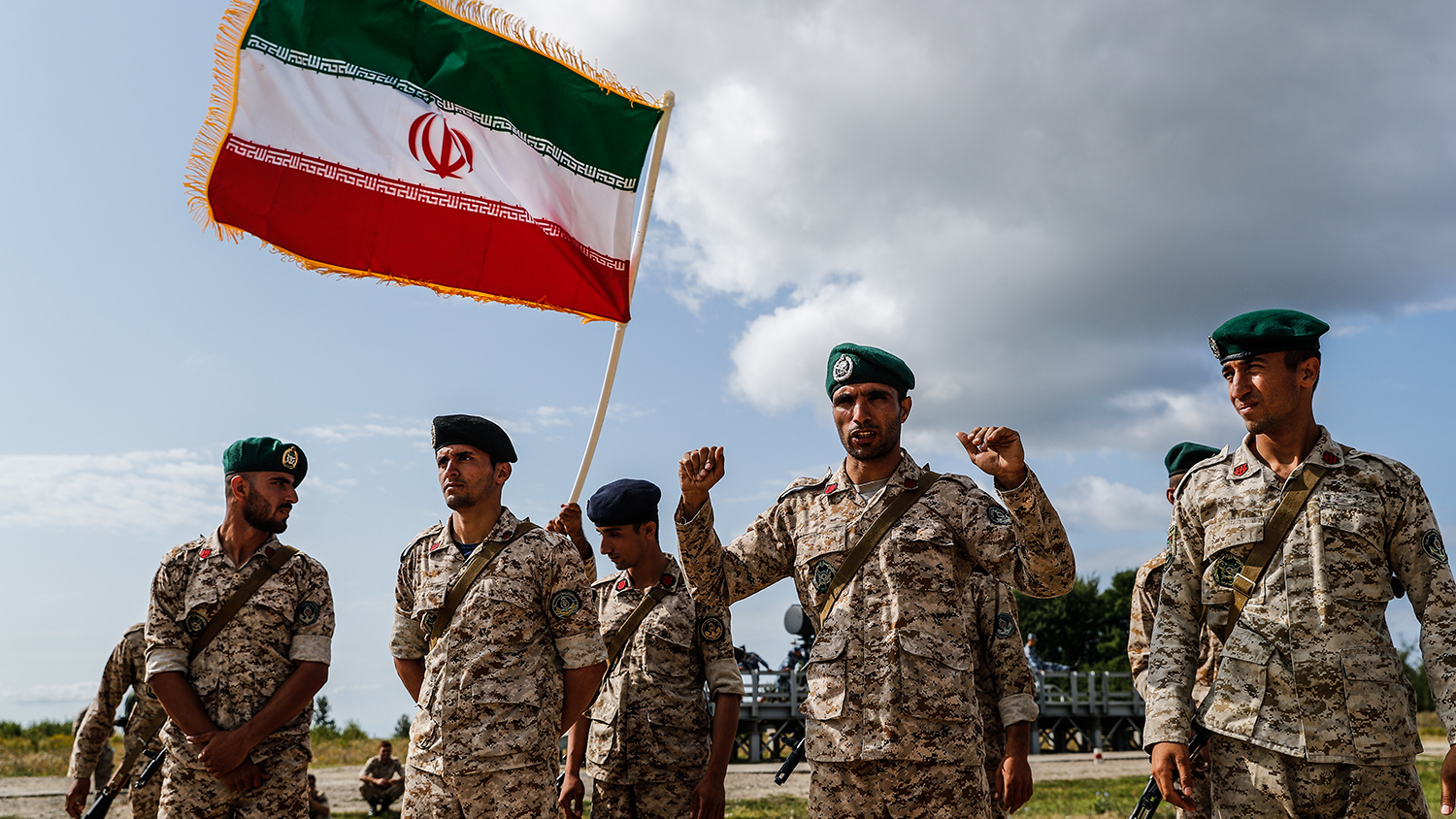
One of the most notable recent developments has been Iran’s attacks on the Gulf states, despite public apologies from the country’s president, Masoud Pezeshkian. On March 7, Iranian forces launched 16 missiles and more than 120 drones targeting the United Arab Emirates, and also conducted attacks on Qatar and Bahrain. According to regional authorities, most targets were intercepted by air defense systems; however, the attacks still caused explosions and triggered alarms in several cities.
Analysts noted that the attacks occurred just a few hours after Pezeshkian’s speech, in which he apologized to the neighboring countries and promised to stop attacks on them if their territories were not used for strikes against Iran.
This situation raises questions about who actually controls military operations. Many analysts believe that the president’s statements reflect an attempt to reduce regional tensions, while the country’s military structures continue to follow a harder line.
In fact, this demonstrates the complex power structure in Iran, where key military decisions are made not only by the civilian government but also by the armed forces, primarily the Islamic Revolutionary Guard Corps (IRGC). This organization controls a significant portion of Iran’s missile and drone capabilities and plays a key role in regional operations.
Iran’s military logic is primarily aimed at applying pressure on U.S. allies in the region. Tehran accuses the Gulf states of providing their territory or infrastructure for American and Israeli operations against Iran. As a result, attacks on countries such as the UAE, Qatar, and Bahrain have become a tool of strategic pressure, intended to push them to distance themselves from Washington and Tel Aviv’s military campaign.
The escalation has raised serious concerns among the Gulf states. Some have already warned of potential retaliatory measures and are reassessing their stance toward the conflict. Furthermore, attacks in the region increase the risk of turning a local war into a broader regional conflict, as they affect countries hosting U.S. military bases and critical energy infrastructure.
Iran’s attacks on the Gulf states, carried out immediately after the president’s diplomatic statements, reveal a gap between political rhetoric and military actions within the Iranian power system. For the region, this means increased uncertainty: even with attempts at diplomatic de-escalation by the civilian leadership, military operations may continue, raising the likelihood of further expansion of the war across the Middle East.


 Latest news
Latest news
Latest newsUkraine Takes the War Deep into Russia: Why Kyiv Is Targeting Wildberries
23.Jul.2026
Zelensky Replaces Commander-in-Chief of the Armed Forces: Mykhailo Drapatyi Takes Over from Oleksandr Syrskyi
22.Jul.2026
Bulgaria Strengthens Its Role in NATO: Parliament Approves Temporary Deployment of U.S. Air Refueling Tankers at Bezmer Air Base
22.Jul.2026
Strike on Gas Carrier Near Romania Raises Tensions in the Black Sea
21.Jul.2026
Georgia Economy Strengthens as Trade with Russia and Tourism Revenues Grow
20.Jul.2026
The South Caucasus Strengthens Protection of Strategic Infrastructure: What Lies Behind the Eternity-2026 Exercises
19.Jul.2026
Urban and Mountain Tourism Drive Growth in Bulgaria
18.Jul.2026
Putin Approval Rating Drops to Lowest Level Since Start of War
17.Jul.2026
Zelensky Reshuffles Security Leadership Amid Protests
17.Jul.2026
Baku Says It has Reached ''Real Peace'' with Armenia, but Sets Condition for Historic Agreement
16.Jul.2026