
 28 Jul 2026









An Unprecedented Power Transition in Iran: Ali Khamenei’s Son Becomes the New Supreme Leader
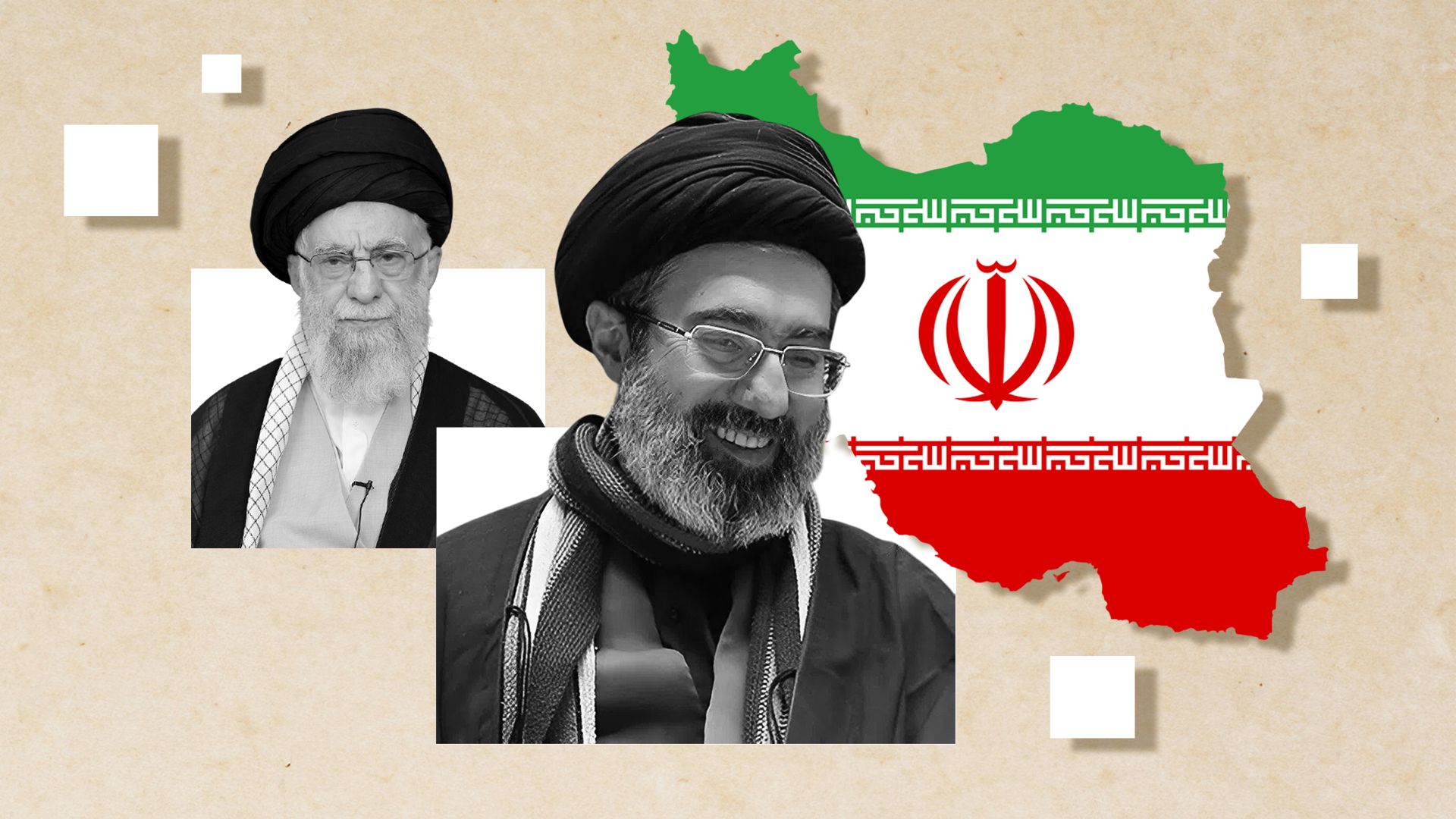
Following
the death of Iran’s Supreme Leader Ali Khamenei on February 28 as a result of U.S. and
Israeli strikes in Tehran, the country underwent an urgent political
transition. The Assembly of
Experts, Iran’s council of senior clerics, elected his son Mojtaba Khamenei
as the new Supreme Leader, making him the third leader of the Islamic Republic.
This decision represents a historic precedent: for the
first time since the 1979 Islamic Revolution, the highest authority in Iran
has effectively passed from father to son. The development has sparked debate
about the possible “dynasticization” of a political system that was originally
created as an alternative to monarchy.
It is worth noting that Mojtaba Khamenei was born on September 8, 1969, in the city of
Mashhad, into the family of the future Supreme Leader Ali
Khamenei. He received a religious education in Shiite seminaries and studied in
the religious seminary in Qom, one of the most important centers of Shiite
theology. In his youth, he participated in the Iran–Iraq War, serving in units of
the Islamic Revolutionary Guard Corps
(IRGC). He later continued his religious studies and became a
Shiite cleric. Although Mojtaba Khamenei has never held formal public office,
he has long been considered one of the most influential figures in Iran’s
political system.
The decision by the Assembly of Experts was made amid a
major military crisis in the Middle East. The new leader is expected to guide
the country through what many observers describe as one of the most serious
challenges the Islamic Republic has faced in decades.
In an official statement, the Iranian leadership emphasized
that the appointment of Mojtaba Khamenei is intended to ensure political
stability and national unity.
Iranian President Masoud Pezeshkian stated: “This valuable choice reflects the will of the Iranian people to strengthen national unity in the face of external pressure”.
At
the same time, representatives of the country’s security establishment
expressed their support for the new leader.
According to Speaker of Parliament Mohammad Bagher Ghalibaf: “Following the new Supreme Leader is both a religious and national duty”.
However,
the appointment triggered a sharp reaction from Washington. U.S. President Donald Trump
criticized Tehran’s decision, calling the new leader “an unacceptable choice”.
Western
analysts believe that Mojtaba Khamenei’s rise could signal a further hardening
of Iran’s political course.
Iran expert Kasra Aarabi noted: “Mojtaba Khamenei may turn out to be even more hardline than his father”.
Analysts also point out that Mojtaba Khamenei has long acted as a “political gatekeeper and intermediary” within his father’s inner circle and has maintained close ties with the country’s military structures. According to several observers, his longstanding connections with the IRGC played a key role in facilitating his rise to the position of Supreme Leader.


 Latest news
Latest news
Latest newsZelensky Replaces Commander-in-Chief of the Armed Forces: Mykhailo Drapatyi Takes Over from Oleksandr Syrskyi
22.Jul.2026
Bulgaria Strengthens Its Role in NATO: Parliament Approves Temporary Deployment of U.S. Air Refueling Tankers at Bezmer Air Base
22.Jul.2026
Strike on Gas Carrier Near Romania Raises Tensions in the Black Sea
21.Jul.2026
Georgia Economy Strengthens as Trade with Russia and Tourism Revenues Grow
20.Jul.2026
The South Caucasus Strengthens Protection of Strategic Infrastructure: What Lies Behind the Eternity-2026 Exercises
19.Jul.2026
Urban and Mountain Tourism Drive Growth in Bulgaria
18.Jul.2026
Putin Approval Rating Drops to Lowest Level Since Start of War
17.Jul.2026
Zelensky Reshuffles Security Leadership Amid Protests
17.Jul.2026
Baku Says It has Reached ''Real Peace'' with Armenia, but Sets Condition for Historic Agreement
16.Jul.2026
The Verkhovna Rada of Ukraine Forms New Government Amid Protests Over Defense Minister Dismissal
16.Jul.2026