
 30 May 2026









Kazakhstan Adopts a New Constitution: Strengthening Presidential Power and Political Modernization
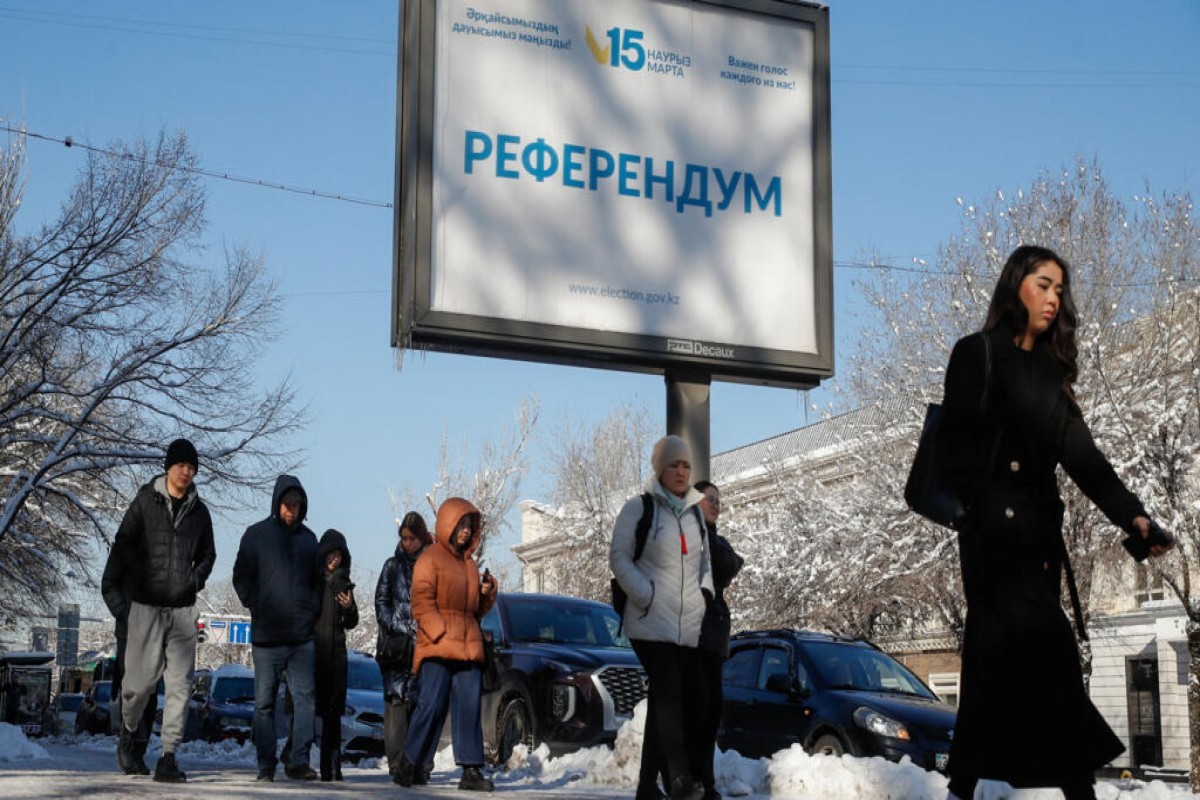
Kazakhstan has held a nationwide referendum on the adoption
of a new Constitution, marking one of the most significant political events in
the country in recent years. According to preliminary data from the Central
Election Commission, about 87–89% of voters supported the proposed amendments,
with voter turnout reaching approximately 73%. The results of the referendum
indicate a high level of voter mobilization and demonstrate the authorities’
intention to consolidate a new phase of political transformation in the
country.
The adopted Constitution
introduces substantial changes to the architecture of state power. One of the
most widely discussed innovations is the restoration of the position of vice
president, which had previously been abolished as part of earlier political reforms.
This institution is expected to serve as an additional mechanism to ensure the
continuity of power and provide greater stability for the executive branch in
the event of political or institutional crises. At the same time, the reform
provides for the restructuring of the parliamentary system, including
adjustments to the powers and procedures governing interaction between the
legislative and executive branches.
The new version of the basic
law also expands the powers of the president, which, according to a number of
political analysts, may strengthen the vertical of power and improve the
efficiency of strategic decision-making. Critics of the reforms, however, argue
that such changes could increase the personalization of power and reduce the
space for political competition. Nevertheless, supporters of the constitutional
reforms maintain that the modernization of institutional structures is
necessary for Kazakhstan to adapt to new geopolitical and economic realities.
Following the completion of
the referendum, the authorities also announced the introduction of a new
national holiday — Constitution Day — which will be celebrated annually on
March 15. This move symbolically reinforces the significance of the vote and
highlights the government’s intention to present the adoption of the new
Constitution as the beginning of a new stage in Kazakhstan’s political
development. Experts note that such symbolic decisions are often used to build
new political legitimacy and consolidate public support around institutional
reforms.
Analysts emphasize that these constitutional changes are taking place amid a period of active transformation in the regional and international environment, prompting Astana to seek a more resilient model of governance. In this context, the referendum is viewed not only as a domestic political process but also as an attempt to strengthen state governance in the face of growing economic and geopolitical challenges.


 Latest news
Latest news
Latest newsThousands Take to the Streets of Tbilisi in Support of Georgia’s European Course
28.May.2026
Trump Supports Pashinyan’s Course Toward Stability and Armenia’s Development
28.May.2026
Europe Without Washington: Berlin Discusses a New Format of Support for Ukraine
27.May.2026
Military Parade on May 28 in Armenia as an Instrument of Political Communication
26.May.2026
Astana Between Moscow and the West: Why Putin Needs the Visit to Kazakhstan
26.May.2026
Starlink at War: How SpaceX Secured Higher Prices from the Pentagon During the Iran Campaign
26.May.2026
Strike Back 2026: NATO Expands Its Military Presence in the Balkans and the Black Sea Region
25.May.2026
Military Parade as a Manifesto: What Armenia Wants to Tell the World on May 28
25.May.2026
The War in Ukraine: The Russian Army is Already Running Out of Steam
25.May.2026
Railway Breakthrough: Armenia Integrates into the Akhalkalaki–Kars Route
24.May.2026