
 14 Jul 2026









Zelensky Warns of a New Large-Scale Russian Offensive: Kyiv Prepares for Possible Escalation of the War
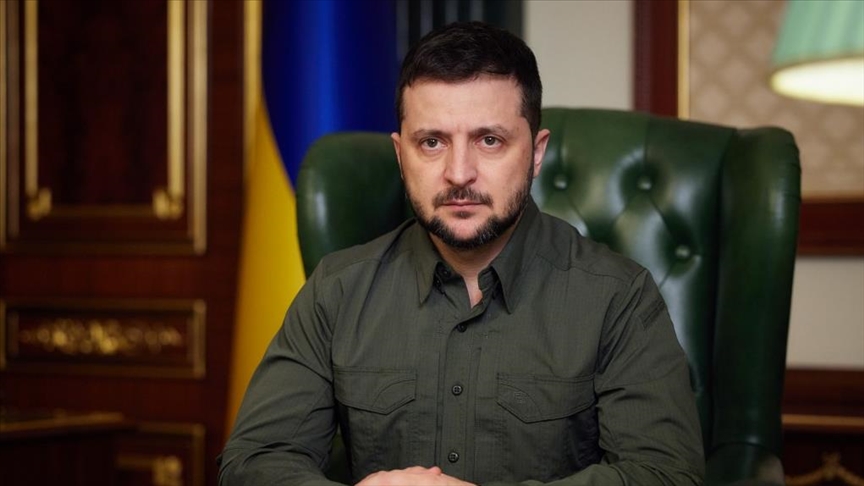
Ukrainian President Volodymyr Zelensky has stated that Russia is preparing a new large-scale offensive against Ukraine. According to him, Ukrainian intelligence possesses data regarding the preparation of new military operations, and all defense units, including air defense forces and the air force, have been placed on high alert. The statement comes amid a noticeable increase in the intensity of Russian strikes on Ukrainian territory and ongoing hostilities across practically the entire frontline.
According to Zelensky, Ukrainian authorities are detecting signs of Russia preparing new large-scale attacks, which could combine missile strikes, the use of attack drones, and increased offensive actions in specific sectors of the front. The President emphasized that Kyiv views the current stage of the war as one of the most dangerous in recent months and expects a further increase in military pressure from Moscow.
The Ukrainian leader's statement followed a few days after Russian authorities warned of their intention to launch so-called "systematic strikes" on targets in Kyiv. The Russian side explains such actions as a response to Ukrainian attacks on territory under Russian control. Moscow claims that a recent drone strike on Luhansk resulted in numerous civilian casualties. Kyiv rejects these allegations, stating that the Russian claims are being used to justify new attacks on Ukrainian cities.
Over the past few weeks, the air war between the sides has noticeably intensified. Russia regularly launches hundreds of drones and various types of missiles into Ukrainian territory, while Ukraine continues to expand the geography of its strikes on Russian military facilities, oil infrastructure, and logistical hubs deep inside Russian territory. As a result, the conflict is increasingly taking on the character of a mutual long-range strike campaign, in which both sides seek to deplete the enemy's resources and exert psychological pressure on the population.
Particular attention is drawn to reports about Russia's possible use of additional types of long-range weapons. Earlier, Zelensky had already stated that Ukrainian intelligence was detecting preparations for new strikes using "Oreshnik" hypersonic missile systems. Although there is no official confirmation of such plans from Russia, the very possibility of using such weapons is viewed in Kyiv as a serious escalation factor.
The political context of unfolding events is also of great importance. The negotiation process between Moscow and Kyiv remains effectively frozen, while the United States and European allies continue to seek new formats for diplomatic engagement. At the same time, both parties to the conflict are increasingly demonstrating their readiness to achieve their goals primarily through military means. Against this backdrop, any new major offensive has the potential to significantly impact both the situation on the battlefield and the prospects for future negotiations.
For Ukraine, the warning about the preparation of a new offensive becomes yet another argument in favor of accelerating the delivery of air defense systems and additional military aid. Zelensky once again urged partners to expedite the implementation of previously reached agreements on strengthening Ukrainian defense, emphasizing that delays in arms deliveries directly affect the country's ability to counter new threats.
Military analysts note that a possible new Russian operation could pursue several objectives at once. Among them are attempts to consolidate successes in certain sectors of the front, increase pressure on the Ukrainian air defense system, complicate the functioning of the country's energy and transport infrastructure, and create additional political difficulties for Kyiv ahead of the next round of discussions on international aid. At the same time, large-scale attacks could serve as a signal to Ukraine's Western allies that Moscow does not intend to reduce the intensity of hostilities in the near future.
The current situation indicates that the war is entering another phase of uncertainty. Despite periodic statements about the possibility of diplomatic contacts, the events of recent weeks show the opposite trend: the sides continue to prepare for further escalation. If the assessments of Ukrainian intelligence are confirmed, the coming weeks could become one of the most tense periods of the conflict since the beginning of 2026.


 Latest news
Latest news
Latest newsUS Ready to Lift Sanctions on Turkiye and Restore Its Participation in the F-35 Program
09.Jul.2026
Trump Announces Transfer of License to Ukraine for Patriot Interceptor Missile Production
09.Jul.2026
The NATO Summit in Ankara Marked a New Stage in the Alliance's Transformation
08.Jul.2026
The war in Ukraine - the “liberation of Novorossiya” is a mission impossible
07.Jul.2026
Ursula von der Leyen's Visits to Baku and Yerevan Signal Brussels' New Strategy
07.Jul.2026
Putin's Approval Ratings Decline as Russians Grow Increasingly Concerned About the Economy and the War
06.Jul.2026
Erdogan and Radev Discuss Black Sea Security and Defense Cooperation
06.Jul.2026
OPEC+ Accelerates Output Recovery as Kazakhstan Increases Oil Production from August
05.Jul.2026
Georgia and Uzbekistan Elevate Relations to Strategic Partnership
05.Jul.2026
Iran Turns Khamenei Funeral into a Show of Strength as Week-Long National Mourning Begins
04.Jul.2026