
 30 May 2026









Tbilisi Brings the Region Closer: The South Caucasus Strengthens Coordination
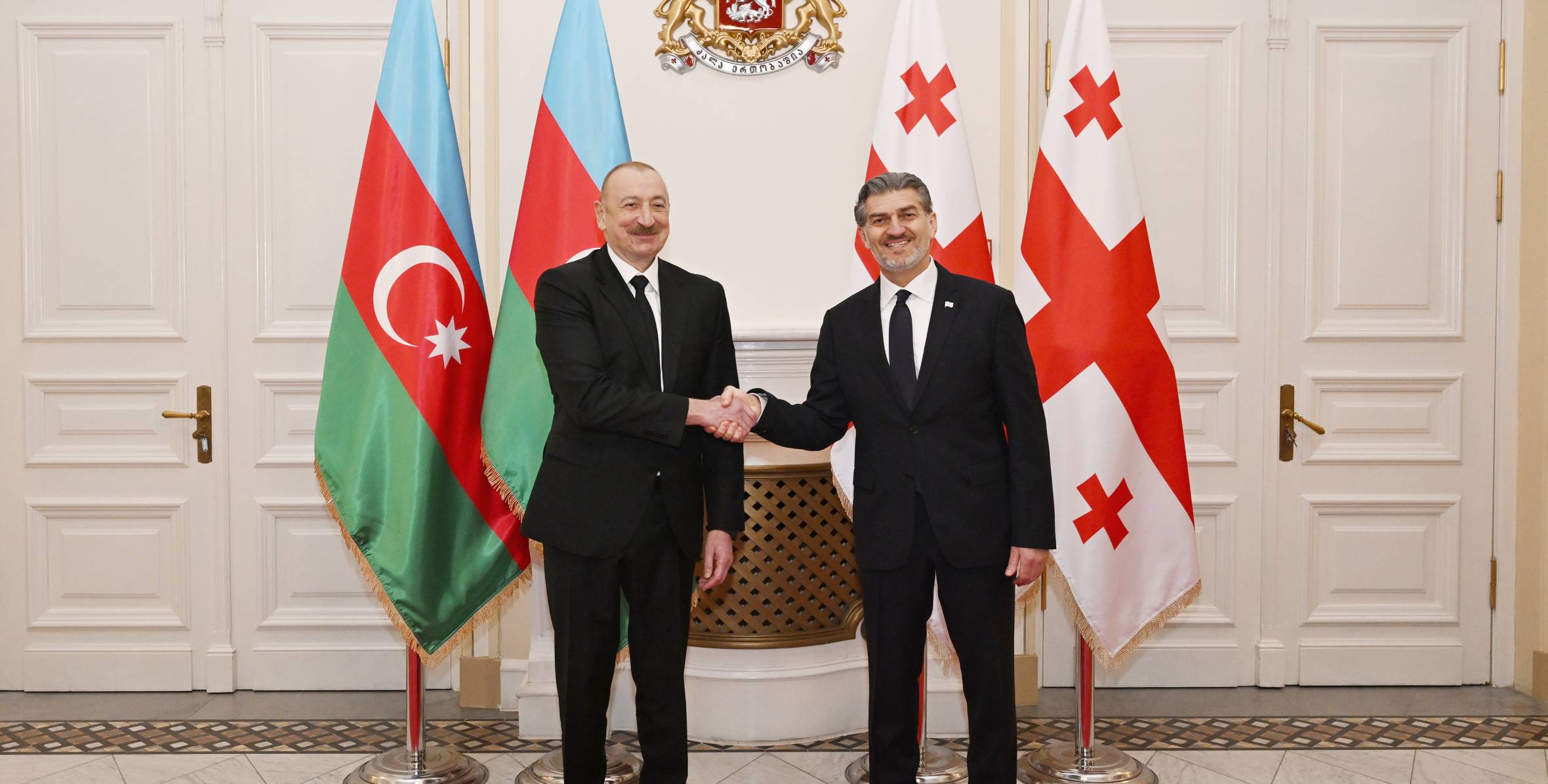
The
visit of Azerbaijani President Ilham Aliyev to Tbilisi was not merely another
diplomatic event, but a reflection of a broader transformation in the South
Caucasus — a gradual rapprochement among the countries of the region amid a
shifting geopolitical balance.
During the state visit, the Azerbaijani leader held talks
with Georgian President Mikheil Kavelashvili and Prime Minister Irakli
Kobakhidze. The discussions focused on bilateral cooperation, including energy,
transport projects, and trade, as well as on regional security and coordination
on the international stage.
However, the key signal of the visit goes beyond the
bilateral agenda. In Tbilisi, there was a clear reaffirmation of a course
toward deeper regional integration without external dominance. In this context,
particular importance was attached to Irakli Kobakhidze’s statement on
Georgia’s readiness to facilitate the peace process between Azerbaijan and
Armenia.
Tbilisi is increasingly positioning itself as a neutral
platform for dialogue between Baku and Yerevan, emphasizing the importance of
cooperation among South Caucasus countries and the development of transport
corridors linking the region with Europe and Asia. This is not only about
economic pragmatism but also about shaping a new security architecture.
Against this backdrop, observers note a gradual weakening
of Russia’s traditional influence in the region. The strengthening of
horizontal ties between Azerbaijan, Georgia, and potentially Armenia indicates
a growing desire among South Caucasus countries to independently shape their
agenda — from economic routes to conflict resolution mechanisms.
Thus, Ilham Aliyev’s visit to Tbilisi can be seen as part of a broader trend: the South Caucasus is gradually consolidating into a self-sufficient geopolitical cluster, increasingly oriented toward internal partnership and coordination rather than external centers of power.


 Latest news
Latest news
Latest newsThousands Take to the Streets of Tbilisi in Support of Georgia’s European Course
28.May.2026
Trump Supports Pashinyan’s Course Toward Stability and Armenia’s Development
28.May.2026
Europe Without Washington: Berlin Discusses a New Format of Support for Ukraine
27.May.2026
Military Parade on May 28 in Armenia as an Instrument of Political Communication
26.May.2026
Astana Between Moscow and the West: Why Putin Needs the Visit to Kazakhstan
26.May.2026
Starlink at War: How SpaceX Secured Higher Prices from the Pentagon During the Iran Campaign
26.May.2026
Strike Back 2026: NATO Expands Its Military Presence in the Balkans and the Black Sea Region
25.May.2026
Military Parade as a Manifesto: What Armenia Wants to Tell the World on May 28
25.May.2026
The War in Ukraine: The Russian Army is Already Running Out of Steam
25.May.2026
Railway Breakthrough: Armenia Integrates into the Akhalkalaki–Kars Route
24.May.2026