
 27 Jul 2026









Russia Expands Trade Restrictions on Armenia, Targeting Fruit and Fish Imports
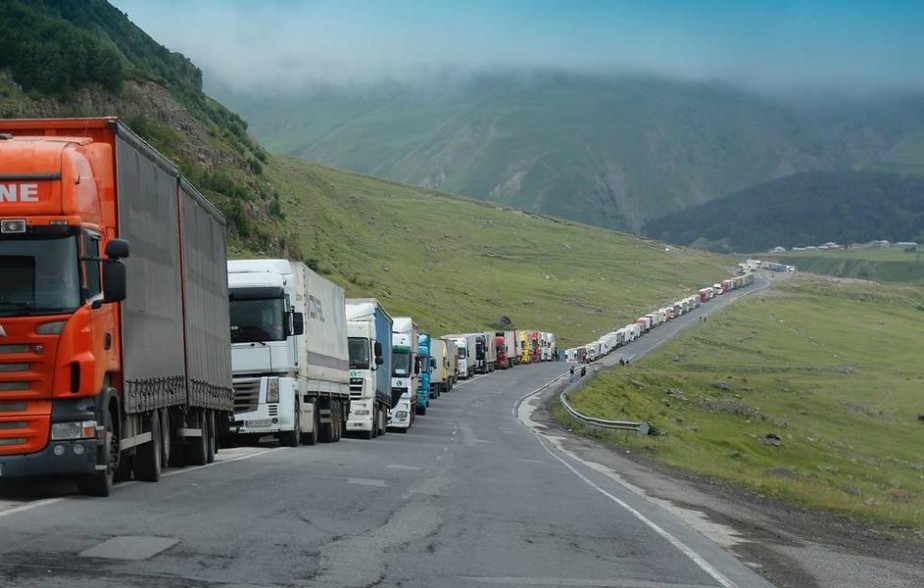
Russia has continued to tighten restrictions on Armenian imports, introducing new measures affecting key sectors of Armenia’s agricultural and food industries. Starting on June 2, Russia’s Federal Service for Veterinary and Phytosanitary Surveillance (Rosselkhoznadzor) imposed a temporary ban on imports of Armenian grapes and stone fruits, including apricots, peaches, nectarines, plums, cherries, and sour cherries. At the same time, Russian authorities have effectively suspended imports of live fish and most fish products originating from Armenia.

According to Rosselkhoznadzor, the restrictions were introduced due to alleged phytosanitary and veterinary violations identified during inspections of Armenian producers. Russian officials claim that a growing number of irregularities have been detected in recent shipments and that some exporters failed to provide adequate traceability documentation confirming the origin of their products. Moscow also argues that Armenian regulatory authorities did not take sufficient measures to address previously identified concerns.
Regarding the fisheries sector, Russian authorities stated that several Armenian fish-processing enterprises either failed inspections conducted by Russian specialists or declined to undergo them. As a result, certification procedures for a significant portion of Armenian fish exports have been suspended, effectively blocking access to the Russian market.
The latest measures represent another step in a broader series of trade restrictions imposed on Armenian goods in recent weeks. Earlier, Russia introduced limitations on imports of various agricultural products, flowers, mineral water, and products from several Armenian alcoholic beverage producers. The cumulative effect of these restrictions has raised concerns among Armenian exporters and business groups about the future of trade relations between the two countries.
From an economic perspective, the consequences could be significant. Russia remains Armenia’s largest export market, particularly for agricultural products. The restrictions come at the beginning of the peak fruit export season, making the ban on apricots and grapes especially damaging. These products are among Armenia’s most recognizable agricultural exports and generate substantial revenue for farmers and producers. The fishing industry may also face serious challenges, as a large share of Armenian fish exports has traditionally been destined for the Russian market.
Many analysts believe the developments extend beyond purely sanitary and regulatory concerns. The restrictions were announced less than a week before Armenia’s parliamentary elections, scheduled for June 7, adding a political dimension to the dispute. Relations between Moscow and Yerevan have remained strained amid the Armenian government’s efforts to deepen cooperation with the European Union and the United States. In recent months, Russian officials have repeatedly warned Armenia about the potential economic consequences of closer integration with Western institutions. Discussions within the Eurasian Economic Union have also reflected growing disagreements over Armenia’s foreign policy direction. Against this backdrop, the latest trade measures are widely viewed as part of a broader reassessment of Russian-Armenian relations.
While Moscow insists that the restrictions are based solely on phytosanitary and veterinary requirements, the timing of the decision and the broader deterioration in bilateral ties have fueled speculation that economic instruments are increasingly being used as a means of political pressure. As Armenia approaches a crucial parliamentary vote, the dispute highlights the complex intersection of economics, trade, and geopolitics in the South Caucasus.


 Latest news
Latest news
Latest newsZelensky Replaces Commander-in-Chief of the Armed Forces: Mykhailo Drapatyi Takes Over from Oleksandr Syrskyi
22.Jul.2026
Bulgaria Strengthens Its Role in NATO: Parliament Approves Temporary Deployment of U.S. Air Refueling Tankers at Bezmer Air Base
22.Jul.2026
Strike on Gas Carrier Near Romania Raises Tensions in the Black Sea
21.Jul.2026
Georgia Economy Strengthens as Trade with Russia and Tourism Revenues Grow
20.Jul.2026
The South Caucasus Strengthens Protection of Strategic Infrastructure: What Lies Behind the Eternity-2026 Exercises
19.Jul.2026
Urban and Mountain Tourism Drive Growth in Bulgaria
18.Jul.2026
Putin Approval Rating Drops to Lowest Level Since Start of War
17.Jul.2026
Zelensky Reshuffles Security Leadership Amid Protests
17.Jul.2026
Baku Says It has Reached ''Real Peace'' with Armenia, but Sets Condition for Historic Agreement
16.Jul.2026
The Verkhovna Rada of Ukraine Forms New Government Amid Protests Over Defense Minister Dismissal
16.Jul.2026