
 27 Jul 2026









Bulgaria Emerges as a Pillar of Europe's New Energy Architecture
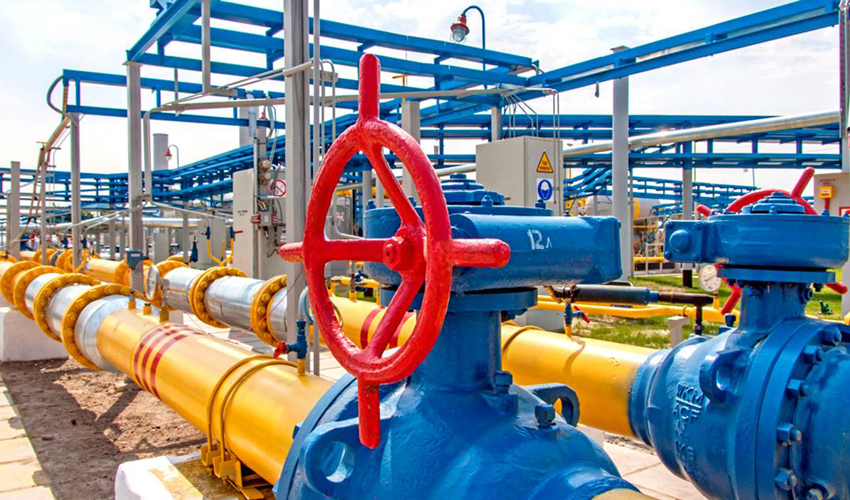
Bulgaria is continuing the implementation of one of Southeast Europe’s key energy projects — the expansion of the so-called Vertical Gas Corridor, which is intended to connect the gas networks of Greece, Bulgaria, Romania, Moldova, and Ukraine. Bulgarian Prime Minister Rosen Zhelyazkov stated that all work is progressing according to schedule: construction in the southern part of the country has already been completed, while major works in northern Bulgaria are ongoing and are expected to be finished by the end of 2026.
The project is widely regarded as one of the most important components of the region’s new energy architecture following the sharp reduction of Russian gas supplies to Europe. The Vertical Gas Corridor will enable liquefied natural gas (LNG), delivered through Greek terminals from the United States and other global suppliers, to be transported across the Balkans to Ukraine and Central European countries. The system will operate in both directions, providing greater flexibility of supply and increasing the resilience of regional energy markets against potential disruptions.
 The Vertical Gas Corridor Could Become the Largest Gas Transit System in the World
A key element of the current modernization phase is the expansion of the Greece–Bulgaria gas interconnector. Sofia aims to increase its annual transmission capacity from the current 3 billion cubic meters to 5 billion cubic meters. At the same time, infrastructure upgrades are underway along the Bulgaria–Romania border, significantly expanding the corridor’s northbound transit capabilities. Once all planned works are completed, the corridor’s total capacity could reach approximately 10 billion cubic meters of gas per year.
The announcement followed talks in Sofia between Bulgarian Prime Minister Rosen Zhelyazkov and Greek Prime Minister Kyriakos Mitsotakis. In addition to gas infrastructure, the two leaders discussed the development of transport corridors and logistics routes between their countries. Bulgaria expressed interest in participating in the management of the Greek port of Kavala, which is seen as an important component of a future freight route linking northern Greece with Bulgarian ports on the Black Sea and the Danube. The initiative is expected to help ease congestion in the Bosporus Strait while creating new trade opportunities between Europe and the Black Sea region.
The development of the Vertical Gas Corridor carries not only economic significance but also substantial geopolitical importance. Since the outbreak of the full-scale war in Ukraine, European countries have accelerated efforts to diversify away from Russian energy supplies. As a result, the Balkans have emerged as one of the key transit routes for non-Russian gas heading to Central and Eastern Europe. For Bulgaria, participation in the project strengthens its position as an important regional energy hub and is expected to generate additional transit revenues.
Analysts note that the completion of the project could significantly reshape the region’s energy landscape. Ukraine would gain broader access to international gas markets and the ability to utilize its vast underground gas storage facilities — the largest in Europe — to support seasonal supply stability. For Balkan and Central European countries, the corridor offers new import routes and reduces dependence on a single supplier. More broadly, the Vertical Gas Corridor has become part of the European Union’s strategy to build a more integrated and resilient energy system capable of withstanding both political and market-related risks.
CCBS Expert Group


 Latest news
Latest news
Latest newsZelensky Replaces Commander-in-Chief of the Armed Forces: Mykhailo Drapatyi Takes Over from Oleksandr Syrskyi
22.Jul.2026
Bulgaria Strengthens Its Role in NATO: Parliament Approves Temporary Deployment of U.S. Air Refueling Tankers at Bezmer Air Base
22.Jul.2026
Strike on Gas Carrier Near Romania Raises Tensions in the Black Sea
21.Jul.2026
Georgia Economy Strengthens as Trade with Russia and Tourism Revenues Grow
20.Jul.2026
The South Caucasus Strengthens Protection of Strategic Infrastructure: What Lies Behind the Eternity-2026 Exercises
19.Jul.2026
Urban and Mountain Tourism Drive Growth in Bulgaria
18.Jul.2026
Putin Approval Rating Drops to Lowest Level Since Start of War
17.Jul.2026
Zelensky Reshuffles Security Leadership Amid Protests
17.Jul.2026
Baku Says It has Reached ''Real Peace'' with Armenia, but Sets Condition for Historic Agreement
16.Jul.2026
The Verkhovna Rada of Ukraine Forms New Government Amid Protests Over Defense Minister Dismissal
16.Jul.2026