
 28 Jul 2026









Tanks Return to the Battlefield: Militaries Seek Answers to the Drone Revolution
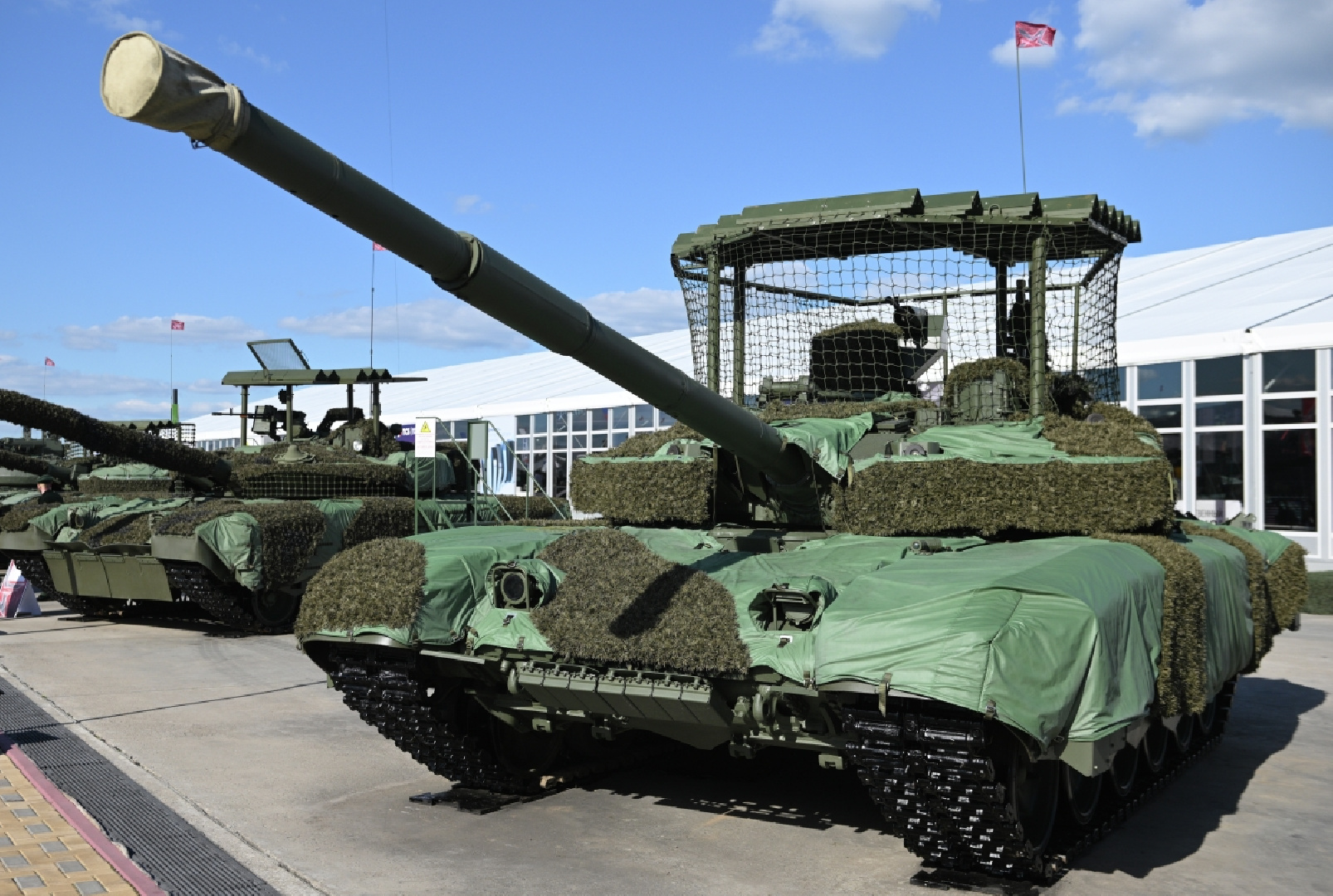
The
experience of recent armed conflicts has forced military strategists to
reassess the role of tanks on the modern battlefield. Until recently, many experts
predicted the gradual decline of heavy armored vehicles, citing their
vulnerability to attack drones and precision-guided weapons. However, current
trends suggest the opposite: leading militaries are not abandoning tanks but
are instead adapting them to the realities of modern warfare.
The
war in Ukraine has become a particularly significant case study, with both
sides suffering substantial losses of armored vehicles due to strikes by
various types of unmanned aerial systems. These developments prompted many
analysts to speak of the beginning of the “end of the tank era”.
In
practice, however, no military has yet found a viable substitute for the tank
as a platform capable of breaking through defensive lines, providing direct
fire support to infantry, and securing captured territory. Despite the rapid
evolution of unmanned technologies, ground operations still require heavily
protected vehicles equipped with powerful weapon systems.
In
response to emerging threats, defense industries have focused on developing
multi-layered protection systems. These include not only traditional armor and
explosive reactive armor but also active protection systems capable of
intercepting missiles and drones before impact. At the same time, electronic
warfare capabilities are increasingly being integrated directly into armored
vehicles, enabling them to disrupt drone control and communication links in
their immediate vicinity.
A
new concept of tank employment is therefore taking shape. Whereas tanks
previously operated with a relatively high degree of autonomy, they are now
becoming part of an integrated battlefield network that includes reconnaissance
drones, electronic warfare assets, artillery, and short-range air defense
systems. The tank is gradually evolving from a standalone combat platform into
a component of a broader, interconnected combat ecosystem.
Notably,
despite ongoing debates about the future of armored warfare, NATO members
continue to procure new tanks and modernize existing fleets. Similar efforts
are underway in Russia, China, Turkiye, South Korea, and several other
countries. This indicates that military planners do not view the age of the
tank as coming to an end.
The key lesson of recent conflicts is that drones have not rendered tanks obsolete; rather, they have compelled militaries to rethink how armored forces are employed. In the coming years, competition between offensive technologies and defensive countermeasures is expected to intensify. Success will belong not to those who abandon armored vehicles altogether, but to those capable of integrating them most effectively into a new warfare environment defined by intelligence, network-centric operations, and unmanned systems.
07.06.2026 12:27


 Latest news
Latest news
Latest newsUkraine Takes the War Deep into Russia: Why Kyiv Is Targeting Wildberries
23.Jul.2026
Zelensky Replaces Commander-in-Chief of the Armed Forces: Mykhailo Drapatyi Takes Over from Oleksandr Syrskyi
22.Jul.2026
Bulgaria Strengthens Its Role in NATO: Parliament Approves Temporary Deployment of U.S. Air Refueling Tankers at Bezmer Air Base
22.Jul.2026
Strike on Gas Carrier Near Romania Raises Tensions in the Black Sea
21.Jul.2026
Georgia Economy Strengthens as Trade with Russia and Tourism Revenues Grow
20.Jul.2026
The South Caucasus Strengthens Protection of Strategic Infrastructure: What Lies Behind the Eternity-2026 Exercises
19.Jul.2026
Urban and Mountain Tourism Drive Growth in Bulgaria
18.Jul.2026
Putin Approval Rating Drops to Lowest Level Since Start of War
17.Jul.2026
Zelensky Reshuffles Security Leadership Amid Protests
17.Jul.2026
Baku Says It has Reached ''Real Peace'' with Armenia, but Sets Condition for Historic Agreement
16.Jul.2026