
 30 Jul 2026









Romania Shuts Down Nuclear Power Plant for the First Time
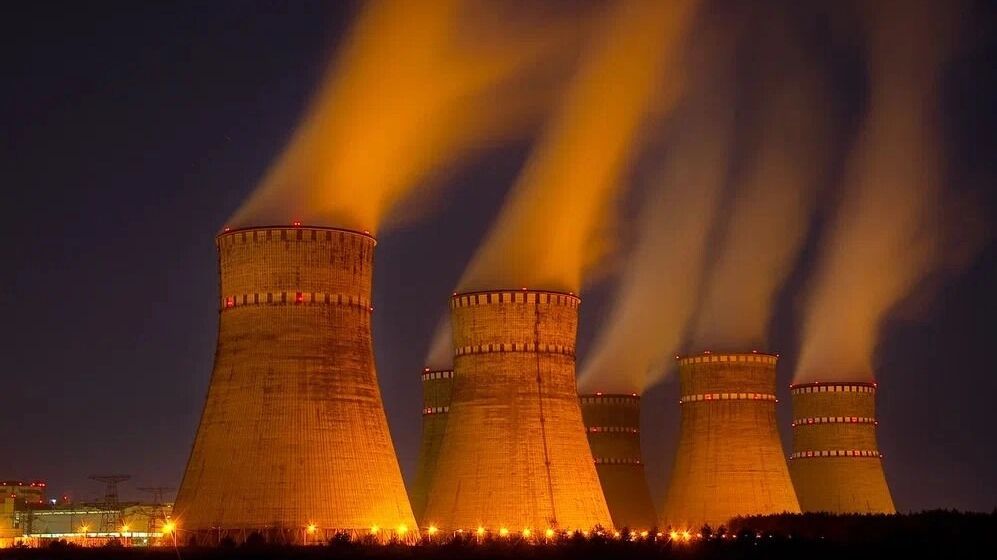
Romania has temporarily shut
down both reactors at the Cernavodă Nuclear Power Plant
for the first time since the facility was commissioned, following a critical
drop in the water level of the Danube River, which is used to cool the
reactors. The decision was made by the plant's operator, Nuclearelectrica, after hydrological conditions reached
levels at which continued operation could have affected the safety and
reliability of the facility.
The second reactor was
initially taken offline, after which the company decided to shut down the first
unit as well. As a result, Romania's largest nuclear power plant has completely
ceased electricity generation for the first time in the country's history of
nuclear energy.
Located in southeastern
Romania, the Cernavodă Nuclear Power Plant operates two Canadian-designed CANDU-6 reactors with a capacity of approximately 700 MW each. The facility generates around 20% of Romania's electricity, making it one of the
cornerstones of the national power system and a major source of low-carbon
electricity.
The shutdown was caused by the
record-low water level of the Danube, resulting from prolonged drought and an
intense heatwave affecting much of Southeastern Europe. According to Romania's
hydrometeorological authorities, water levels along several sections of the
river have fallen to their lowest levels in decades. Similar conditions have
also been reported in Serbia, Bulgaria, and Hungary, where low water levels
have already disrupted river navigation and affected energy infrastructure.
The temporary shutdown of the
nuclear power plant is forcing Romania to increase electricity generation from
natural gas- and coal-fired power plants, while also expanding electricity
imports through interconnections with neighboring countries. According to
energy market analysts, this could lead to higher wholesale electricity prices
and place additional pressure on the national power grid during the peak summer
demand period.
Experts
note that the situation once again highlights the growing vulnerability of
nuclear power generation to climate-related factors. Although nuclear plants
are not dependent on weather conditions for electricity production itself,
their operation relies heavily on the availability of sufficient water for
reactor cooling. Similar operational restrictions have been imposed in recent
years on nuclear power plants in France, Switzerland, and the United States
during periods of extreme heat.
Meanwhile,
Romania continues to advance plans for the construction of the third and fourth
reactors at the Cernavodă Nuclear Power Plant, as well as the development of small modular reactors (SMRs) with support from the United States. However, the current crisis
is expected to intensify discussions on adapting energy infrastructure to the
impacts of climate change and improving the resilience of critical energy
facilities to hydrological risks.


 Latest news
Latest news
Latest newsA Pause Before a New Phase? The U.S. and Iran Open a Window for Diplomacy Amid Persistent Tensions
26.Jul.2026
EU Sanctions Georgian Company: Oil Refinery Faces Restrictions Over Russian Crude
25.Jul.2026
Bulgaria Bets on Fiscal Stabilization: Parliament Approves 2026 Budget with Broad Reform Agenda
24.Jul.2026
Ukraine’s priorities in the war: Drones, international support, holding the current frontline
23.Jul.2026
Ukraine Takes the War Deep into Russia: Why Kyiv Is Targeting Wildberries
23.Jul.2026
Zelensky Replaces Commander-in-Chief of the Armed Forces: Mykhailo Drapatyi Takes Over from Oleksandr Syrskyi
22.Jul.2026
Bulgaria Strengthens Its Role in NATO: Parliament Approves Temporary Deployment of U.S. Air Refueling Tankers at Bezmer Air Base
22.Jul.2026
Strike on Gas Carrier Near Romania Raises Tensions in the Black Sea
21.Jul.2026
Georgia Economy Strengthens as Trade with Russia and Tourism Revenues Grow
20.Jul.2026
The South Caucasus Strengthens Protection of Strategic Infrastructure: What Lies Behind the Eternity-2026 Exercises
19.Jul.2026