
 08 Nov 2026









Armenia Strengthens Its European Course: EU Enlargement and Declining Russian Influence Reshape the Geopolitical Landscape of the South Caucasus
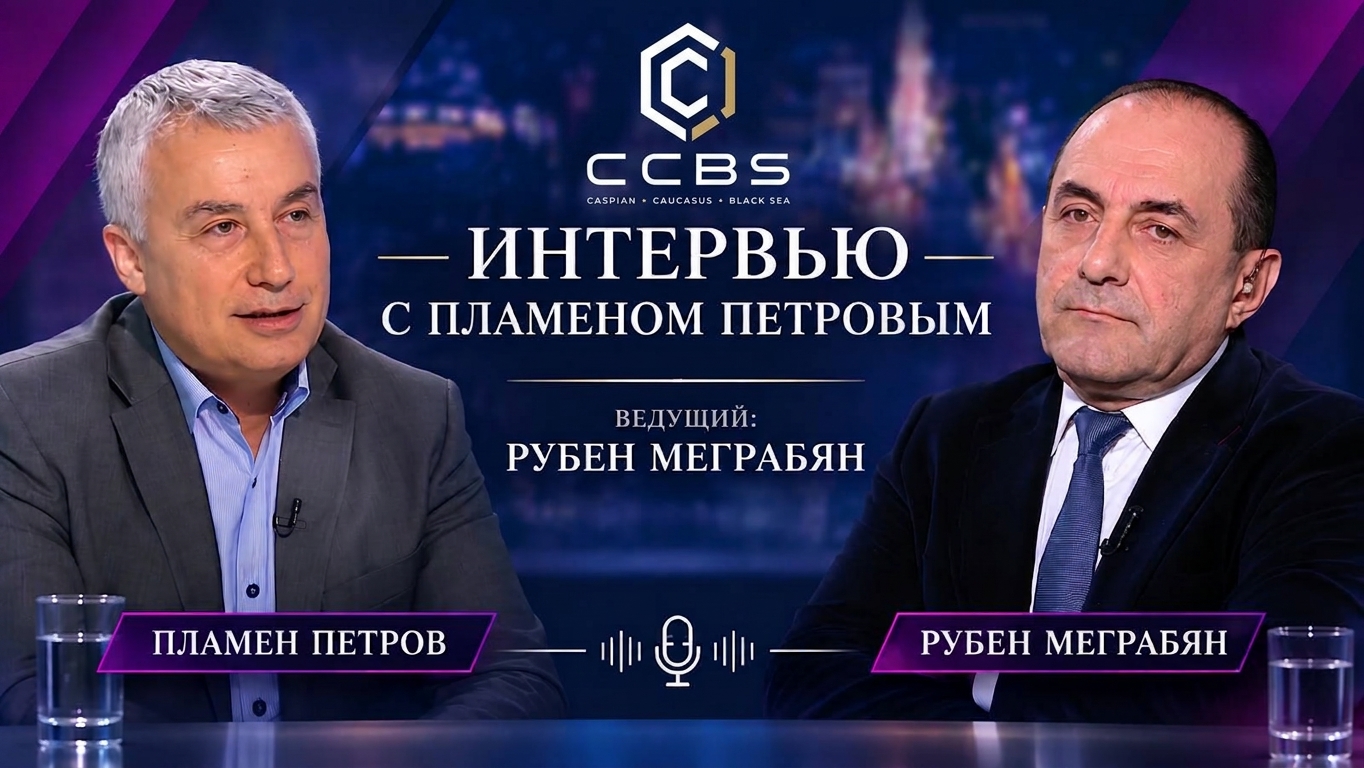
The prospects for Armenia’s European integration, the transformation of transatlantic relations and Yerevan’s gradual distancing from Moscow were among the key issues discussed during an interview on the Ruben Mehrabyan Talks channel. European policy expert Plamen Petrov and host Ruben Mehrabyan examined political developments that could influence Armenia’s future positioning within the international relations system.
One of the central topics of the discussion was domestic political developments in the United States and their potential impact on transatlantic relations. In particular, the participants analysed the implications of the midterm elections to the US Congress and the prospects for establishing a more pronounced system of political checks and balances on the administration of Donald Trump.
According to the participants, stronger opposition positions in Congress could constrain the executive branch and contribute to a shift in the Republican Party’s political direction. In a broader context, such developments could create conditions for restoring stability in US-European relations and reducing tensions within the transatlantic community.
Particular attention was also devoted to the prospects for further European Union enlargement. Plamen Petrov emphasised that the enlargement policy remains of strategic importance to Brussels, despite existing institutional and political challenges. Montenegro was identified as one of the most likely candidates to join the EU in the near future, potentially completing the accession negotiation process by 2028. Positive momentum is also evident in the cases of Albania, Moldova and Ukraine.
Armenia’s European course occupied a particularly prominent place in the discussion. The participants examined the prospects for Yerevan submitting an official application for EU membership, as well as the political and institutional conditions required to advance this process. Nikol Pashinyan had previously indicated possible timelines for such a step — 2027 or 2028 — linking the country’s European prospects to the strengthening of democratic institutions and the preservation of its sovereign foreign policy choices.
Plamen Petrov pointed out that, despite Georgia and Turkiye formally holding candidate status for EU accession, Armenia’s current political and democratic trajectory appears, in certain respects, to be more closely aligned with European standards. This assessment reflects the growing importance of democratic criteria in the European integration process and highlights that geographical proximity to Europe alone does not guarantee progress towards membership.
Another important aspect of the discussion concerned Armenia’s relations with Russia and the future of its participation in the Collective Security Treaty Organization (CSTO). According to the assessment expressed during the interview, Armenia has effectively ceased meaningful participation in the organisation’s activities while formally retaining its membership. This situation indicates a deepening crisis of confidence between Yerevan and its traditional allies, as well as a reassessment by the Armenian leadership of its previous national security framework.
At the same time, Armenia is pursuing efforts to diversify its foreign economic relations, reduce its dependence on the Russian market and seek alternative energy sources. These developments carry not only economic but also strategic significance, as expanding the country’s foreign policy and energy options is directly linked to strengthening its independence in political decision-making.


 Latest news
France Expands Intelligence-Gathering Presence in the Black Sea: NATO Strengthens Maritime Surveillance
08.Nov.2026
Abu Dhabi May Host a New Round of Diplomatic Talks on Ukraine: Prospects for Negotiations Remain Uncertain
08.Nov.2026
Mykhailo Samus: The Russia–Ukraine War Is Reshaping the Balance of Power in the Black Sea and the Regional Security Architecture
08.Nov.2026
Armenia Strengthens Its European Course: EU Enlargement and Declining Russian Influence Reshape the Geopolitical Landscape of the South Caucasus
07.Nov.2026
Bulgaria Presents Draft 2027 State Budget: Increased Pensions and Investment in Development
07.Nov.2026
Russian Gerbera-2 Drone Discovered and Destroyed on Bulgaria’s Black Sea Coast
07.Nov.2026
Sofia and Washington Discuss Black Sea Security and the Future of Europe's Security Architecture
07.Nov.2026
Green Energy Corridor: a Strategic Opportunity or an Overly Costly Project?
07.Nov.2026
Kremlin Calls for European Involvement in Security Talks without Offering a Concrete Framework
06.Nov.2026
The Caspian Bridge between Azerbaijan and Kazakhstan: Ambitious Plans without Guarantees of Implementation
05.Nov.2026
Armenia Outlines Prospects for Applying for EU Membership in 2027–2028
04.Nov.2026
Moscow Seeks to Maintain Its Influence in the South Caucasus through the “3+3” Format
03.Nov.2026
Kazakhstan Resumes Oil Transit through Russia after Drone Attack
03.Nov.2026
Iliana Yotova's Victory Strengthens Political Stability and Bulgaria's Position in the Black Sea Region
02.Nov.2026
France Expands Military Surveillance Activities in the Black Sea: Romania Gains Strategic Importance
01.Nov.2026