
 20 Sep 2026









Georgia and Enka: How the Namakhvani Dispute Could Affect the Investment Climate
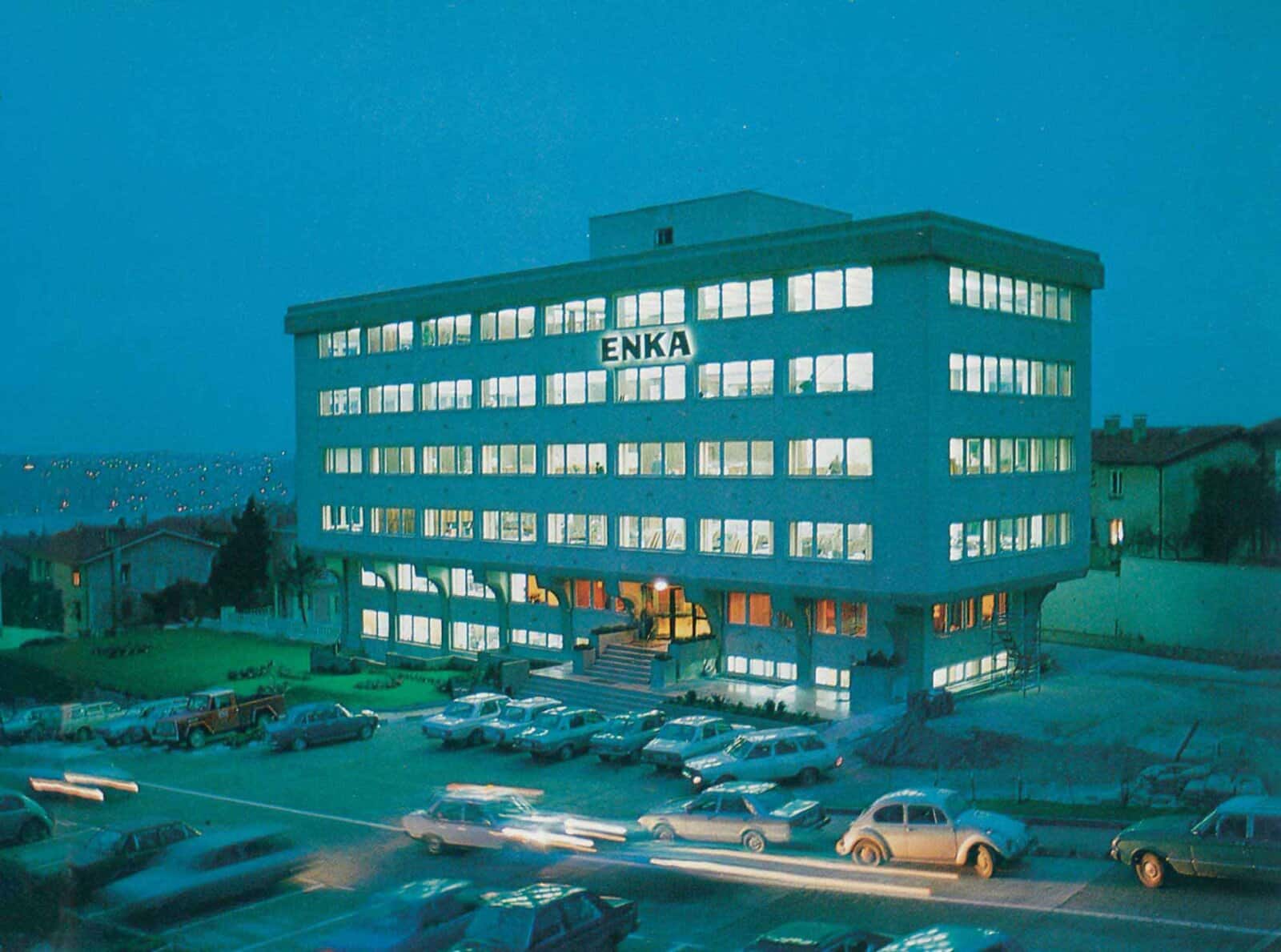
The Georgian government intends to appeal a US court ruling
ordering the country to pay Turkish construction company Enka Renewables $350
million in compensation, plus interest, over the terminated Namakhvani
hydropower project. Deputy Justice Minister Beka Dzamashvili said Tbilisi plans
to appeal the ruling issued last week by the US District Court for the District
of Columbia.
The dispute concerns the approximately $800
million Namakhvani HPP project in western Georgia. Turkish company Enka
Renewables, owned by Istanbul-based Enka İnşaat, signed an agreement with the
Georgian authorities to build the hydropower plant but terminated the contract
in 2021. The company cited breaches of the agreement and force majeure
circumstances.
The project
sparked large-scale protests by local residents and environmental activists.
Opponents raised concerns about the potential impact of the dam on the region's
ecosystem, the possible relocation of residents, and a lack of transparency in
the agreement between the government and the investor.
 ENKA Accuses the Georgian Government of Failing to Fulfill the Terms of the Contract
The US court
ruling is the latest development in a long-running international dispute. In
2024, the Paris Court of Appeal also ruled that Georgia should pay Enka around
$400 million. Earlier in 2026, enforcement of that ruling was suspended at
Tbilisi's request amid arguments that the payment could have serious
consequences for the country's economy. The Georgian government is also seeking
to overturn the Paris ruling. According to Dzamashvili, a decision is expected
by the end of the year.
The case comes
amid broader arbitration risks for Georgia. According to a report published by
the country's State Audit Office in June, potential liabilities from
arbitration claims currently under consideration could amount to as much as
$1.7 billion.
The US
court ruling increases financial risks for Georgia and could place additional
pressure on the state budget. Tbilisi's decision to appeal shows that the
authorities intend to challenge the amount and legal basis of Enka's claims at
the international level.
The
dispute over the Namakhvani hydropower project also highlights the continuing
risks facing major infrastructure projects in Georgia, where environmental
concerns and public support can directly affect the investment climate. The
outcome of the proceedings could have implications not only for Georgia's
budget but also for how the country is perceived by foreign investors as a
jurisdiction for long-term infrastructure projects.


 Latest news
Latest news
Latest newsUS Sanctions Target Russias Main Pillar as Moscow Faces New Pressure on Oil Revenues
19.Sep.2026
Russia Begins State Duma Elections Amid War in Ukraine
18.Sep.2026
Bulgaria Strengthens Protection of Strategic Infrastructure Against Drones and Other Threats
18.Sep.2026
Georgia and Enka: How the Namakhvani Dispute Could Affect the Investment Climate
17.Sep.2026
Una Aleksandra Bērziņa-Čerenkova: After Russia’s Invasion, Latvia Began Banning Russian-Language Media
17.Sep.2026
Rainer Saks: Russia сould lose its influence in Armenia, just as it did in the Baltics
16.Sep.2026
Russian Drones Violated Moldovan Airspace Twice During Zelenskys Trips
16.Sep.2026
Operation Vivaldi: Ukraine Reports Advances Near Lyman as Fighting Intensifies
16.Sep.2026
Kazakhstan and South Korea Elevate Ties to Comprehensive Strategic Partnership
16.Sep.2026
Armenia Energy Diversification: Testing the Limits of Dependence on Russian Gas
15.Sep.2026
Tbilisi Distances Itself from Brussels as Kobakhidze Intensifies Criticism of European Policy
14.Sep.2026
Russia Fuel Crisis Gives the US a New Diplomatic Leverage Tool
14.Sep.2026
Trump Calls on Zelenskyy to Stop Strikes on Russian Oil Infrastructure
13.Sep.2026
Ukraine Expands Pressure on Russia’s Shadow Fleet: Moscow’s Oil Logistics Under Threat
13.Sep.2026
The Riga Conference: Europe Prepares for Long-Term Confrontation with Russia and Reshapes Its Security Architecture
12.Sep.2026