
 20 Sep 2026









Bulgaria Strengthens Protection of Strategic Infrastructure Against Drones and Other Threats
Sofia is expanding its counter-drone
capabilities, strengthening security at defense industry facilities, and
conducting inspections of ammunition depots across the country. Bulgaria is
strengthening the protection of strategic and critical facilities amid growing
risks associated with drones, as well as following a series of incidents at
defense industry sites.
On
September 18, the Security Council under the Prime Minister discussed the
security of strategic facilities, ammunition depots, and production sites where
explosives are stored or used. Following the meeting, the authorities announced
plans to expand counter-drone protection, modernize video surveillance systems,
and increase police presence around potentially vulnerable facilities.
Defense
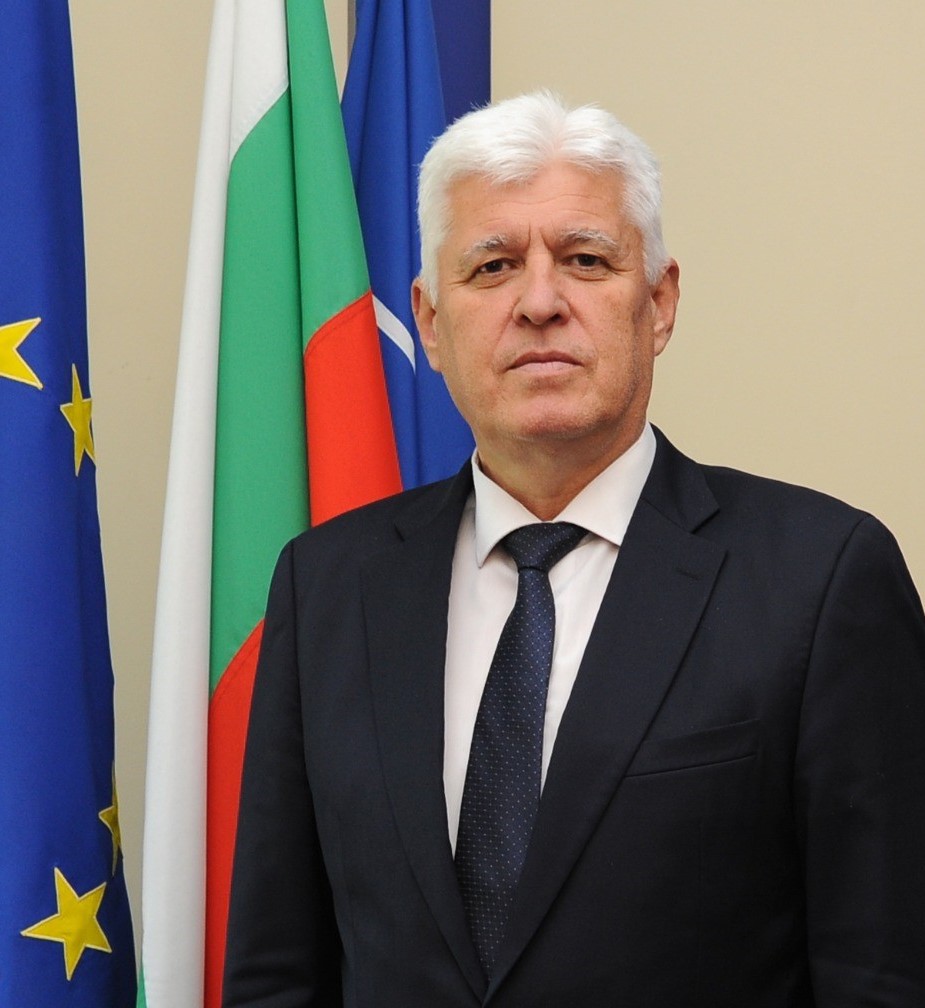
Minister Dimitar Stoyanov said that existing counter-drone capabilities were
insufficient and that additional funding was needed to procure new systems. At
the same time, the approach envisages not simply equipping all facilities with
identical systems, but establishing priorities based on the specific
circumstances, including whether a facility is located in an urban or open
area, its purpose, and the nature of potential threats. The authorities also
intend to allocate funding for the modernization of video surveillance and
other security systems at Ministry of Defense facilities.
Bulgaria
plans to acquire more than ten counter-drone systems. The final number will
depend on the funding available. At the same time, state authorities intend to
expand inspections of critical infrastructure facilities and companies involved
in the production and storage of ammunition and explosives.
Another
priority is strengthening physical security. The Ministry of Interior and the
State Agency for National Security will jointly inspect the facilities, after
which their owners and operators will receive specific recommendations to
improve security. Police patrols will also be increased in areas where
ammunition depots and defense industry facilities are located.
The
government’s decision follows several incidents at facilities operated by EMCO.
On September 12, a fire broke out at an ammunition depot near the village of
Gorni Varpishta in Gabrovo Province. Employees were evacuated and the
authorities issued a BG Alert warning. According to the Bulgarian News Agency,
there were no fatalities, and the fire was quickly brought under control,
although the building and the property inside were destroyed. A month earlier,
a fire broke out at another EMCO facility near Belitsa.
Following
the September incident, the Ministry of Interior announced inspections of all
ammunition depots across the country. Interior Minister Ivan Demerdzhiev said
that attention should be paid not only to the condition of the facilities
themselves, but also to the storage conditions for ammunition and explosives
and to the organization of security. The authorities also stressed the need to
address any identified deficiencies and improve the protection of facilities
regardless of which company operates them.
The
issue gained additional significance after EMCO raised the possibility of
sabotage. Bulgarian authorities are investigating the circumstances of the
recent incidents and considering various possible explanations. However, there
is currently no official confirmation that the fires were caused by external
interference.
Bulgaria
is also developing its own technological capabilities in the field of
counter-drone defense. On September 10, a drone detection, localization and
countermeasure system developed by the Bulgarian company Samel-90 was
demonstrated in Samokov. Representatives of the Ministry of Defense, the
Ministry of Transport, the Air Force, Land Forces, Navy, police, border
services and other security institutions attended the demonstration. The system
is designed to detect and locate drones and deploy electronic countermeasures.
It
should be noted that Bulgaria has important energy, transport and industrial
infrastructure, including facilities linked to the Black Sea and the national
defense industry. As a result, the development of counter-drone capabilities is
gradually becoming part of a broader state policy aimed at protecting critical
infrastructure.
The
regional context is also important. Bulgaria is a NATO member on the Alliance’s
eastern flank and has direct access to the Black Sea. In recent years, drones
have become one of the most widespread tools used for reconnaissance, strikes
and violations of airspace in the region, increasing the need for effective
early-warning and response capabilities. Strengthening Bulgaria’s capabilities
in this area simultaneously improves the protection of national infrastructure
and enhances the country’s ability to contribute to security on NATO’s eastern
flank.
At
the same time, Sofia is emphasizing the combination of national capabilities
with European and NATO mechanisms. The Ministry of Defense has stated that it
is considering various NATO and EU defense projects, seeking to make use of new
instruments offered by both organizations while taking into account Bulgaria’s
national interests and defense capability development objectives.
The
decision taken by Sofia demonstrates that Bulgaria views the protection of
critical infrastructure as a long-term component of national security rather
than merely a temporary response to individual incidents. The development of
domestic counter-drone systems and closer cooperation between state
institutions and Bulgaria’s defense industry allow the country to strengthen
its national technological base while increasing resilience on NATO’s eastern
flank. The new protection framework covers not only military facilities but
also energy, transport and industrial infrastructure of strategic importance to
the Black Sea region.


 Latest news
Latest news
Latest newsUS Sanctions Target Russias Main Pillar as Moscow Faces New Pressure on Oil Revenues
19.Sep.2026
Russia Begins State Duma Elections Amid War in Ukraine
18.Sep.2026
Bulgaria Strengthens Protection of Strategic Infrastructure Against Drones and Other Threats
18.Sep.2026
Georgia and Enka: How the Namakhvani Dispute Could Affect the Investment Climate
17.Sep.2026
Una Aleksandra Bērziņa-Čerenkova: After Russia’s Invasion, Latvia Began Banning Russian-Language Media
17.Sep.2026
Rainer Saks: Russia сould lose its influence in Armenia, just as it did in the Baltics
16.Sep.2026
Russian Drones Violated Moldovan Airspace Twice During Zelenskys Trips
16.Sep.2026
Operation Vivaldi: Ukraine Reports Advances Near Lyman as Fighting Intensifies
16.Sep.2026
Kazakhstan and South Korea Elevate Ties to Comprehensive Strategic Partnership
16.Sep.2026
Armenia Energy Diversification: Testing the Limits of Dependence on Russian Gas
15.Sep.2026
Tbilisi Distances Itself from Brussels as Kobakhidze Intensifies Criticism of European Policy
14.Sep.2026
Russia Fuel Crisis Gives the US a New Diplomatic Leverage Tool
14.Sep.2026
Trump Calls on Zelenskyy to Stop Strikes on Russian Oil Infrastructure
13.Sep.2026
Ukraine Expands Pressure on Russia’s Shadow Fleet: Moscow’s Oil Logistics Under Threat
13.Sep.2026
The Riga Conference: Europe Prepares for Long-Term Confrontation with Russia and Reshapes Its Security Architecture
12.Sep.2026