
 21 Sep 2026









Zelenskyy Approves New Long-Range Ukrainian Operations Amid Russian Attacks
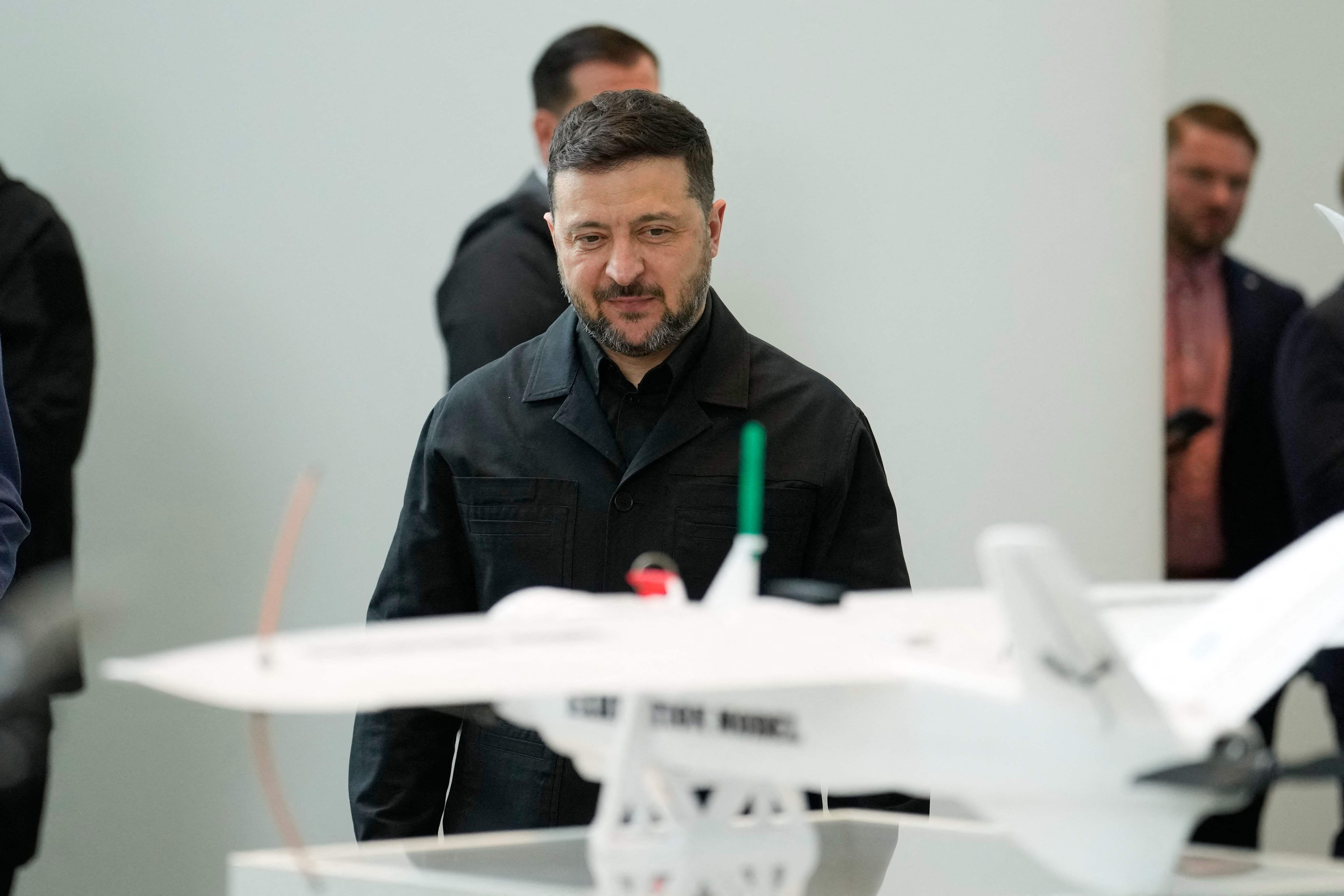
Ukrainian President Volodymyr
Zelenskyy said he had approved new operations involving long-range strike
capabilities amid continued Russian attacks on Ukrainian territory. At the same
time, Kyiv is expanding its own capabilities to strike Russian military, oil
and logistics infrastructure.
On September 19, Ukrainian
President Volodymyr Zelenskyy said he had authorized new long-range operations
by Ukrainian forces in response to continued Russian attacks. The statement
came amid a large-scale Russian aerial campaign against Ukraine and several
days before Zelenskyy was expected to meet with US President Donald Trump in
New York.
In recent months, Kyiv has
steadily expanded its use of its own long-range systems, seeking to strike
facilities considered important to Russia’s military capabilities. Ukrainian
officials have identified oil refineries, warehouses, logistics hubs and
facilities linked to the supply of the Russian armed forces among the priority
targets.
On the night of September 20,
Ukrainian forces carried out one of the largest attacks on Russian territory
since the beginning of the war. Russian authorities said they had intercepted
more than 1,600 drones, including around 450 aircraft heading toward Moscow.
The Russian side also reported fatalities and damage to the Moscow oil
refinery.
Zelenskyy subsequently
confirmed that Ukraine had carried out long-range strikes in the Moscow region.
According to him, the targets included oil industry and logistics facilities
linked to Russia’s military infrastructure. The Ukrainian side also said that
several types of domestically developed long-range systems had been used.
 Kyiv views the expansion of
long-range operations as one element of its strategy to deter Russian attacks.
The Ukrainian leadership is seeking to increase the cost of continuing Russia’s
military campaign by targeting not only direct military facilities but also
infrastructure supporting the Russian armed forces and the country’s fuel
sector.
Kyiv views the expansion of
long-range operations as one element of its strategy to deter Russian attacks.
The Ukrainian leadership is seeking to increase the cost of continuing Russia’s
military campaign by targeting not only direct military facilities but also
infrastructure supporting the Russian armed forces and the country’s fuel
sector.
At the same time, Moscow
continues to launch large-scale attacks against Ukraine. According to
Zelenskyy, in the week preceding September 20, Russian forces used more than
2,000 attack drones, around 1,700 aerial bombs and 19 missiles of various
types.
Russia’s missile and drone
campaign is also putting pressure on Ukraine’s energy and transport
infrastructure. In response, Kyiv is strengthening its air defense and
developing its own interception capabilities. On September 15, Zelenskyy
announced additional measures to protect critical infrastructure, including
expanding electronic warfare capabilities and increasing purchases of related
systems.
At the same time, Ukraine
continues to develop its domestic production of long-range weapons. In August,
Zelenskyy said that the intensity of long-range strikes against Russian territory
needed to be significantly increased, linking the objective to the need to
counter Russia’s campaign against Ukrainian cities and infrastructure.
Ukraine continues to declare
its readiness for negotiations and supports US diplomatic initiatives, while
emphasizing the need to maintain sufficient military capabilities to defend the
country and exert pressure on Russia. Zelenskyy said he had agreed with Trump
to meet in New York on the sidelines of the UN General Assembly; the Ukrainian
president described a diplomatic settlement as one of Kyiv’s main priorities.
Thus, the expansion of
Ukraine’s long-range operations is taking place alongside diplomatic efforts to
seek a possible end to the war. For Ukraine, the development of its own strike
capabilities has become part of a broader strategy combining military
deterrence, the protection of critical infrastructure and efforts to strengthen
its negotiating position amid continued Russian attacks.


 Latest news
Latest news
Latest newsDuma Elections Reinforce Kremlin Dominance Amid the War
21.Sep.2026
Zelenskyy Approves New Long-Range Ukrainian Operations Amid Russian Attacks
20.Sep.2026
US Sanctions Target Russias Main Pillar as Moscow Faces New Pressure on Oil Revenues
19.Sep.2026
Russia Begins State Duma Elections Amid War in Ukraine
18.Sep.2026
Bulgaria Strengthens Protection of Strategic Infrastructure Against Drones and Other Threats
18.Sep.2026
Georgia and Enka: How the Namakhvani Dispute Could Affect the Investment Climate
17.Sep.2026
Una Aleksandra Bērziņa-Čerenkova: After Russia’s Invasion, Latvia Began Banning Russian-Language Media
17.Sep.2026
Rainer Saks: Russia сould lose its influence in Armenia, just as it did in the Baltics
16.Sep.2026
Russian Drones Violated Moldovan Airspace Twice During Zelenskys Trips
16.Sep.2026
Operation Vivaldi: Ukraine Reports Advances Near Lyman as Fighting Intensifies
16.Sep.2026
Kazakhstan and South Korea Elevate Ties to Comprehensive Strategic Partnership
16.Sep.2026
Armenia Energy Diversification: Testing the Limits of Dependence on Russian Gas
15.Sep.2026
Tbilisi Distances Itself from Brussels as Kobakhidze Intensifies Criticism of European Policy
14.Sep.2026
Russia Fuel Crisis Gives the US a New Diplomatic Leverage Tool
14.Sep.2026
Trump Calls on Zelenskyy to Stop Strikes on Russian Oil Infrastructure
13.Sep.2026