
 22 Nov 2026









The Black Sea Is Emerging as a New Front in European Security Threats: NATO Steps Up Surveillance Following Attacks on Commercial Vessels
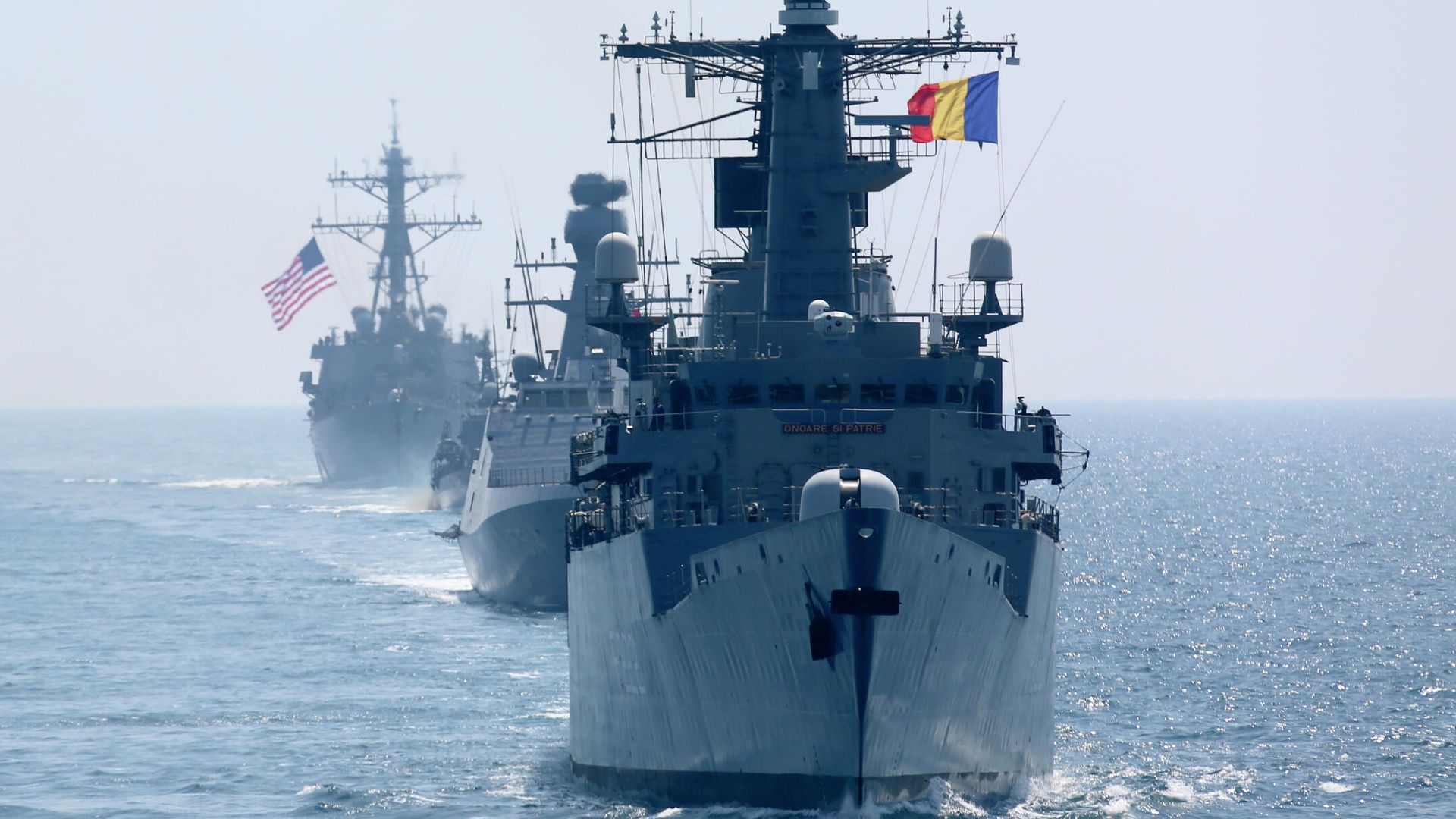
A series of drone attacks on commercial vessels off the coasts of Romania and Bulgaria has heightened concerns over maritime security in the Black Sea. NATO has announced plans to expand surveillance of the maritime environment, including the deployment of additional patrol aircraft, radar systems, drones, and intelligence personnel. Against the backdrop of Russia’s ongoing war against Ukraine, the region faces the risk of further spillover of military threats to the infrastructure and trade routes of NATO’s eastern flank.
On October 20, NATO announced plans to deploy additional air and maritime surveillance assets to the region following a series of attacks on commercial vessels off the coasts of Romania and Bulgaria. The decision followed discussions on the situation at the North Atlantic Council in Brussels.
According to information obtained by CCBS sources, Alliance members plan to deploy additional patrol aircraft, radar systems, drones, intelligence personnel, and teams specializing in the forensic examination of explosive materials. These measures are intended to improve threat detection, enhance intelligence sharing, and help establish the circumstances surrounding the incidents.
The repeated attacks on commercial vessels in the western Black Sea prompted the decision to step up surveillance. In mid-October, drones struck several commercial vessels near the Bulgarian and Romanian coasts. Some ships sustained critical damage or sank, while crew members were reported killed or missing.
On October 23, the cargo vessel Khoryv sank off the Romanian coast. One sailor was killed, three were reported missing, and nine people were rescued. Romanian President Nicușor Dan linked the incident to the escalation of Russia’s war against Ukraine. However, the circumstances of individual attacks and responsibility for them must be assessed separately, distinguishing official statements from the findings of investigations.
NATO has not officially attributed the entire series of attacks to any single state. Nevertheless, the incidents have heightened concerns about the spillover of the Russia-Ukraine war into maritime communications used by Alliance members and international shipping operators.
Bulgaria and Romania Face New Security Risks
Increased drone activity in the western Black Sea presents additional challenges for Romania and Bulgaria, both NATO members located in close proximity to the Ukrainian theatre of operations.
Romanian authorities have announced plans to accelerate the development of maritime surveillance capabilities and countermeasures against drones and naval mines. Bulgaria, meanwhile, has requested additional NATO support, including combat aircraft and counter-drone systems. Sofia has also stepped up maritime surveillance following attacks on vessels in its exclusive economic zone.
The geographical context of these incidents is particularly significant. Some attacks occurred beyond the territorial waters of coastal states but within their exclusive economic zones. Such zones are not considered national territory in the full legal sense. Nevertheless, incidents in these waters directly affect the economic interests of coastal states, the safety of maritime activities, and their capacity to respond to emerging threats.
Vulnerability of Trade Routes Becomes a Strategic Concern
The western Black Sea plays a vital role in facilitating Ukrainian exports, particularly grain and other agricultural products. The Danube ports and shipping routes near the Romanian coast have become increasingly important amid wartime restrictions and attacks on Ukrainian port infrastructure.
An increase in attacks on commercial vessels could lead to higher insurance premiums, rising shipping costs, and delivery delays. If the risks persist, shipping companies may reconsider their routes, while exporters could face additional logistical expenses.
The consequences extend beyond Ukraine. Disruptions to maritime transport could affect Romania, Bulgaria, other Black Sea countries, and European markets that depend on the uninterrupted flow of agricultural commodities and industrial goods.
In this context, the security of commercial shipping is gradually evolving from a primarily economic concern into a key component of regional defence policy.
Moscow and NATO: The Risk of an Expanded Military Confrontation
The decision to strengthen surveillance in the Black Sea reflects NATO’s efforts to reduce risks to its member states without automatically resorting to direct military intervention in every incident involving commercial vessels.
However, enhanced intelligence and surveillance capabilities must be distinguished from the direct protection of maritime traffic. Additional aircraft, radar systems, and drones can improve threat detection, but they do not, by themselves, guarantee that attacks will be prevented. Nor do they imply the introduction of permanent NATO escorts for commercial vessels.
The main strategic risk lies in the possibility of further incidents near NATO territory. Repeated airspace violations, attacks on vessels, or additional casualties could increase pressure on regional governments to expand their military presence and strengthen their readiness to intercept potential threats.
This creates a complex dilemma: insufficient measures could leave trade routes vulnerable, while an expanded military presence could increase the likelihood of dangerous encounters, target misidentification, and unintended escalation.
According to the CCBS assessment, the situation in the Black Sea demonstrates that the consequences of the Russia-Ukraine war are increasingly affecting the security of international trade and infrastructure beyond the immediate frontline. Commercial vessels and transport routes are becoming part of a broader geopolitical confrontation in which military risks are closely intertwined with the economic resilience of the region.
NATO’s decision to strengthen surveillance is primarily a measure aimed at deterrence and improving situational awareness. More broadly, the Black Sea is emerging as one of the key focal points of European security, where the interests of NATO, Ukraine, and Russia intersect with the energy and trade interests of countries across the region.
CCBS Research Desk


 Latest news
EU Allocates Another €1 Billion to Ukraine: European Military Support Takes on a Long-Term Dimension
22.Nov.2026
Europe Prepares a Military Mission for Ukraine: 2800 Troops Rehearse Post-War Deployment Scenarios
21.Nov.2026
Russian Missiles and a Drone Fall on Polish Territory: NATO Faces New Threats on Its Eastern Flank
21.Nov.2026
Russia Strikes Kyiv Bridges Following Ukraine’s Attack on the Crimean Bridge: Transport Infrastructure Becomes a New Front in the Escalation
20.Nov.2026
The "Coalition of the Willing" Discusses Security Guarantees and Continued Support for Kyiv
19.Nov.2026
Tanker Sinks off Bulgaria After Being Hit Four Times: All 19 Crew Members Rescued
18.Nov.2026
Europe Accelerates Defence Integration: EU Identifies 8 Priorities for Joint Weapons Development
17.Nov.2026
Bulgaria and North Macedonia Plan to Begin Construction of New Border Crossing in October 2027
17.Nov.2026
Central Asia Accelerates Digitalisation of the Trans-Caspian Transport Corridor
16.Nov.2026
Bulgaria, Romania and Turkiye Deploy Naval Assets in BETUL 8 Rescue Operation
16.Nov.2026
Armenia Becomes the EU’s Leading Partner in the South Caucasus: Georgia Loses Influence in Europe’s Regional Strategy
15.Nov.2026
Ukraine Expands Its Campaign Against Russia’s Strategic Infrastructure
15.Nov.2026
Defence Partnerships without a Common Strategy? Turkiye Expands Military Ties with Qatar, Saudi Arabia and Pakistan
14.Nov.2026
Kobakhidze Says Georgia is Ready to Restore Political Dialogue with the European Union
14.Nov.2026
European Leaders Warn of Growing Russian Pressure on Armenia and Pledge Support to Yerevan
14.Nov.2026