
 29 Aug 2026









Bulgaria Strengthens Defense: Parliament Approves Purchase of Naval Strike Missiles
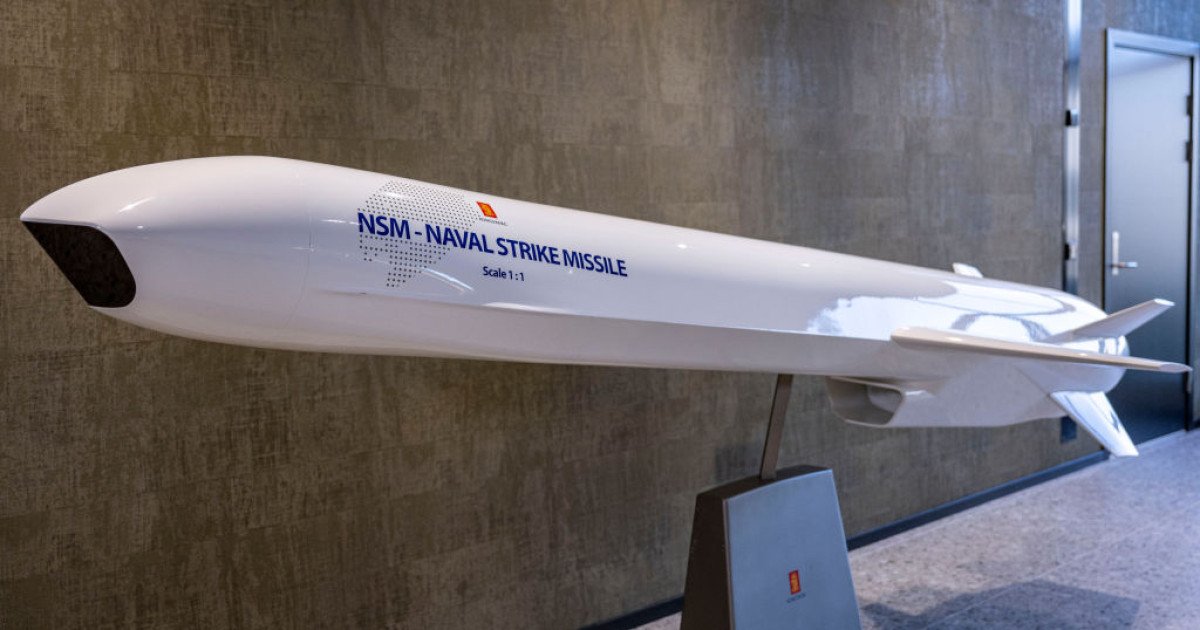
In response to rising tensions in the Black Sea region, the Bulgarian parliament approved the acquisition of modern Naval Strike Missiles, a move seen as a significant step toward strengthening the country’s defense capabilities amid increased military presence near the European Union’s borders. The new weapons are intended to enhance the Bulgarian Navy’s ability to protect maritime borders and reinforce the country’s role as a stable and reliable NATO member in the region.
Bulgarian experts note that acquiring these missiles increases the country’s strategic importance in the Black Sea basin. Given that the Black Sea has become an area of heightened military attention, the ability to effectively defend the coastline and sea lines of communication is critically important for national security. The missiles are expected not only to enable Bulgaria to respond to potential threats but also to participate in joint NATO operations, demonstrating readiness for collective defense.

The procurement also has economic and technological implications. Beyond enhancing defense capabilities, the deal includes personnel training, technical support, and infrastructure modernization, creating new jobs and stimulating the development of the national defense industry. This is an important aspect, as strengthening the defense sector contributes to technological advancement and improves the skills of specialists.
At the same time, analysts warn that increasing military capabilities in the Black Sea region could heighten tensions and provoke responses from neighboring states. In this context, Bulgaria aims to balance its defense buildup with diplomatic efforts to maintain stability and prevent conflict escalation.
Thus, the parliamentary decision to purchase Naval Strike Missiles reflects Bulgaria’s strategic need to strengthen defense amid regional instability, while simultaneously enhancing technological capacity and reinforcing the country’s role within NATO and the broader Black Sea arena.


 Latest news
Russia Intensifies Strikes on Ukraine’s Infrastructure, Targeting Warehouses and Logistics Hubs
28.Aug.2026
A New Economic Framework for Central Asia and the Caucasus: The Role of Azerbaijan and Uzbekistan
28.Aug.2026
Moscow Warns London: Russia Considers Strikes on British Military Targets
27.Aug.2026
Kazakhstan Launches a New Economic Strategy: GDP Growth, Investment and Pension Reform
27.Aug.2026
CIA Director Visits Moscow: Trump Hopes for Results
26.Aug.2026
Former Ukrainian Defense Minister Warns of Risk of Gradual Defeat in War with Russia
25.Aug.2026
Putin Authorizes Temporary State Management of Critical Infrastructure Vulnerable to Drone Attacks
24.Aug.2026
The United States Rapidly Expands Missile Production: Pentagon Accelerates Output of Tomahawks and Other Critical Weapons
24.Aug.2026
Record Supplies: Armenia Boosts Fish Exports to Georgia
23.Aug.2026
Political Battle During Wartime: Zelensky Opposes Elections
23.Aug.2026
Romania Approves Construction of One of the Largest Solar Power Plants in Europe
23.Aug.2026
Ex-Ukrainian Defence Minister Fails in Bid to Pressure Zelenskiy
22.Aug.2026
Upper Lars: Why Border Queues Have Become a Political Signal for Georgia and Russia
22.Aug.2026
Russia-Ukraine War: No Decisive Breakthrough on the Front and Intensifying Ukrainian Deep Strikes on Russia
21.Aug.2026
TRIPP, Peace, and a New Geopolitical Crossroads: How Armenia Has Changed One Year After Washington
20.Aug.2026