
 06 Jun 2026









The Karabakh issue is a legal issue, not territories. Armenia recognized the integrity of Azerbaijan back in 1991 - Pashinyan
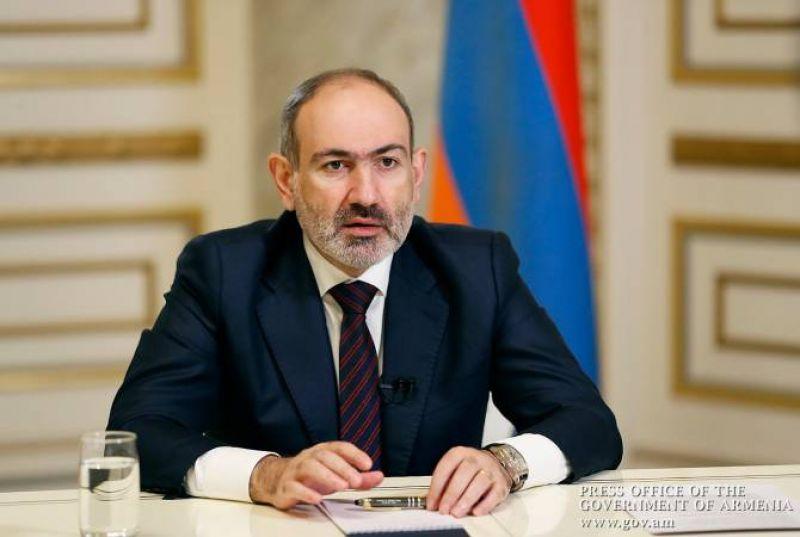
Armenia was ready for an online meeting on November 9 if this meeting would resolve the issue of returning the prisoners. As this was not expected, it was “suggested” to change the date of the meeting. Armenian Prime Minister Nikol Pashinyan stated this on November 23 during an online press conference.
According to him, he proposed to postpone the meeting until November 15, but it was proposed to hold the meeting on November 26 face to face.
Armenia does not avoid direct contacts with Azerbaijan, Pashinyan said, commenting on the establishment of a direct connection between the defense ministers of the two countries. This will make it possible to establish who committed the "provocation", he said.
Referring to the upcoming meeting in Brussels on December 15, he noted that "humanitarian issues, including prisoners" will be discussed.
As for the meeting on November 26 in Sochi, preparations for it have been going on for a long time, Pashinyan said. Contacts between representatives of Armenia and Azerbaijan should be more frequent so that crises can be avoided.
Further, Pashinyan accused Azerbaijan of trying to disrupt negotiations on unblocking communications, putting forward the topic of the "Zangezur Corridor".
“Yerevan will do everything to prevent Baku from doing it,” he said.
According to Pashinyan, the demarcation and delimitation of the border, the Karabakh problem, the opening of communications are separate issues that should be discussed separately.
Then Pashinyan made an important statement that in 1991 Armenia and Azerbaijan in the process of creating the CIS and, having signed a declaration and an interstate agreement, "mutually recognized territorial integrity."
“Then the problem of Karabakh also existed. The question is: is the Karabakh problem a territory problem? In our understanding, this is a matter of law, ”Pashinyan explained.
As for unblocking communications, the working group created on the basis of the January 11 statement came to the conclusion that the roads will operate within the framework of the sovereignty and territorial integrity of the countries, and the roads can be used on a parity basis, he said.


 Latest news
Latest news
Latest newsRussia Expands Trade Restrictions on Armenia, Targeting Fruit and Fish Imports
01.Jun.2026
Drones Over NATO: Moscow Warns Europe of More Incidents After Strike in Romania
31.May.2026
Thousands Rally in Ankara in Support of Ozgur Ozel as Turkiye’s Political Crisis Enters a New Phase
31.May.2026
Strike on Europe's Largest NPP: A New Round of Tension Around the Zaporizhzhia Station
30.May.2026
Democracy Despite Pressure: How Armenia Is Defending Its Right to an Independent Path
29.May.2026
Zelensky Warns of a New Large-Scale Russian Offensive: Kyiv Prepares for Possible Escalation of the War
29.May.2026
Drone Over NATO Territory: Strike on Residential Building in Romania Signals Dangerous Expansion of the War
29.May.2026
Putin in Astana: Nuclear Power Plant as a New Symbol of Strategic Partnership
28.May.2026
Thousands Take to the Streets of Tbilisi in Support of Georgia’s European Course
28.May.2026
Trump Supports Pashinyan’s Course Toward Stability and Armenia’s Development
28.May.2026