
 13 Oct 2026









Fuel Crisis Deepens in Crimea as Ukrainian Strikes Disrupt Russian Logistics
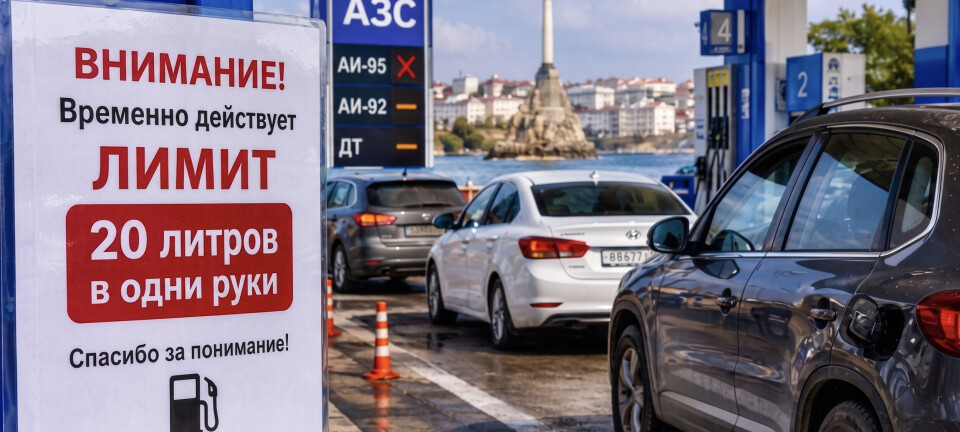
A growing fuel shortage is affecting Russian-occupied Crimea, creating increasing difficulties for both local residents and tourists. Social media users have reported long lines at gas stations, fuel rationing, and mounting concerns about their ability to leave the peninsula as supplies continue to dwindle. Some travelers say they have only enough fuel left for short trips and are uncertain whether they will be able to reach the nearest operating gas station.
The shortages come amid mounting pressure on Russia’s energy and transportation infrastructure. Over recent months, Ukrainian drones have repeatedly targeted oil refineries, fuel depots, and logistics facilities across Russia. These attacks are increasingly impacting the domestic fuel market, where prices continue to rise and supply disruptions are becoming more frequent in several regions.
According to the latest official statistics, gasoline and diesel prices are increasing across most parts of Russia. Fuel price growth is now outpacing the country’s overall inflation rate, raising concerns among consumers and businesses alike. Diesel prices, in particular, have risen sharply, placing additional pressure on transportation networks and supply chains.
 Fuel Crisis Deepens in Crimea: Gasoline Supplies Run Out Completely in Sevastopol
The situation appears especially severe in Crimea. Russian-installed authorities have reintroduced restrictions on fuel sales, including a coupon-based distribution system in some areas. Free retail sales have reportedly been suspended at certain stations, while limits have been imposed on the amount of fuel individual drivers can purchase. Sales of fuel in portable containers have also been restricted. Despite assurances from local officials that these measures are temporary, long lines have formed at gas stations across the peninsula.
Local reports suggest that the shortage is linked not only to broader pressures on Russia’s fuel market but also to worsening logistical conditions surrounding Crimea. In recent weeks, Ukrainian forces have intensified the use of long-range drones against transportation routes connecting the peninsula with mainland Russia. These operations have complicated fuel deliveries and forced authorities to tighten control over available supplies.
As shortages worsen, reports have emerged of a rapidly expanding black market. Residents claim that fuel is being resold at prices several times higher than official retail rates. Such developments are common when essential commodities become scarce and demand significantly exceeds supply.
At the same time, Russian security agencies have increased scrutiny of social media activity related to fuel deliveries. Authorities are reportedly investigating individuals who have shared photographs or videos of fuel trucks, as well as information about locations where fuel shipments have arrived. Officials argue that such information could be used by Ukrainian intelligence services to track supply routes and logistical movements. Residents have been warned that distributing this information could carry serious legal consequences.
The developments highlight how Ukraine’s strategy of targeting Russia’s military and logistical infrastructure is producing effects that extend beyond the battlefield. What initially appeared to be a campaign focused primarily on military assets is increasingly affecting civilian life in territories controlled by Moscow.
If supply disruptions continue throughout the summer season, Crimea could face not only transportation challenges but also broader economic consequences. Tourism remains one of the peninsula’s most important industries, and persistent fuel shortages could discourage visitors while complicating travel for those already there.
From a military perspective, the situation is equally significant. Crimea remains a key hub for Russian operations in southern Ukraine, making reliable fuel supplies essential for both military and civilian transportation. As logistical pressures mount, the peninsula is increasingly becoming a place where the broader consequences of the war are being felt far beyond the front lines.


 Latest news
Latest news
Latest newsGeorgia’s Constitutional Court Continues Case on Banning Opposition Parties: Political Pluralism at Stake
12.Oct.2026
Azerbaijan and Iran Step Up Security Contacts Amid Hijab Protests
12.Oct.2026
Personnel Shortages Complicate Ukrainian Forces’ Rotation: Ukraine Faces Long-Term Challenges on the Front Line
11.Oct.2026
Trump Eases Sanctions on Russian Fuel After Talks with Putin: Kyiv Fears Boost to Moscow’s War Revenues
10.Oct.2026
Putin Seeks to Strengthen Russia’s Influence in the Post-Soviet Space Through the CIS
10.Oct.2026
Russia and the South Caucasus: External Pressure, Political Competition and a Crisis of Trust
10.Oct.2026
Peaceful Settlement Between Armenia and Azerbaijan: Moving from Declarations to Implementation
10.Oct.2026
Moldova Ready to Accept as Many Ukrainians as Necessary if Situation Worsens This Winter
09.Oct.2026
Turkmenistan Turns Avaza into a Regional Diplomatic Hub as Caspian, Central Asian and CIS Agendas Converge
08.Oct.2026
Romania Scrambles Spanish F-18s After Aerial Targets Detected Near Ukrainian Border
07.Oct.2026
Berlin Deepens Defence Partnership with Kyiv: Germany to Provide Ukraine with €1 Billion in Military Aid
07.Oct.2026
European Parliament Against Georgian Dream: EU Prepares New Response to Tbilisi
06.Oct.2026
Bulgarian Foreign Minister to Discuss European Security and International Law in the Netherlands
05.Oct.2026
Rheinmetall in Bulgaria: Sofia Emerges as a New NATO Defence-Industrial Hub in the Balkans
05.Oct.2026
The Cost of a Long War: Moscow Expands Spending Plans Through 2029
05.Oct.2026