
 24 Jun 2026









SBU and AFU Conduct Major Special Operation Against Russian Airfields
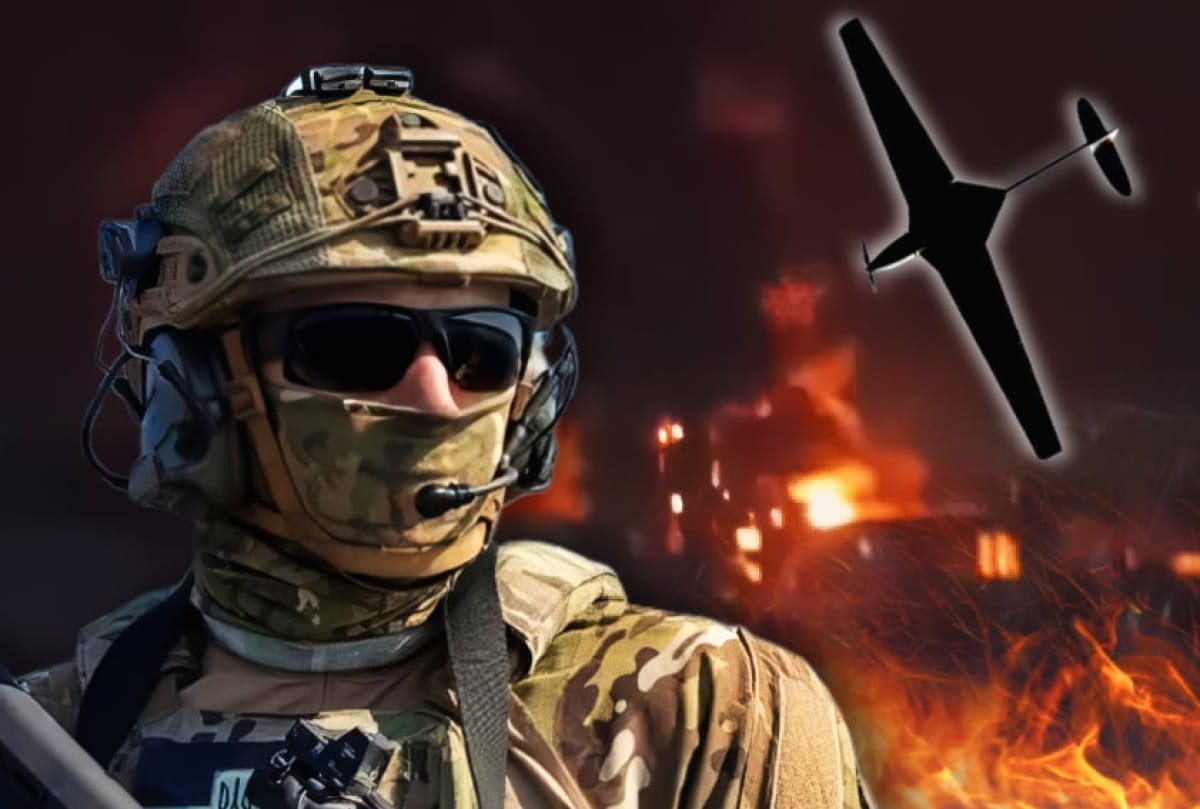
At the end of May 2025, the Security Service of Ukraine (SBU) and the Armed Forces of Ukraine (AFU) carried out one of the most large-scale joint special operations since the beginning of the full-scale war. According to sources within Ukrainian security structures, the targets of the operation were major Russian military airfields located on Russian territory.
A key feature of the attack was the use of drones disguised in cargo trucks, which were launched near the border and penetrated deep into Russian territory. This approach allowed them to get close to airfields without being detected by air defense systems.
As a result of the strikes, over 40 aircraft were damaged, including fighter jets and ground-attack aircraft, as well as ground infrastructure — hangars, radar systems, and command centers.
The Ukrainian side views the operation as a successful example of hybrid warfare, combining precision strikes, camouflage, and technological superiority. It also signals Ukraine’s growing capability to conduct operations not only at the front lines, but also deep within enemy territory.
The Russian side has not officially confirmed the scale of the destruction. However, numerous reports on social media and in the blogosphere described explosions, evacuations, and damage to equipment at multiple military facilities. Russia’s Ministry of Defense only stated that it had “repelled drone attacks,” possibly indicating an attempt to minimize reputational damage.
This operation marks a turning point in the tactics of the Ukrainian Defense Forces. While previous strikes on Russian territory were mostly sporadic (such as attacks in Belgorod or Crimea), Ukraine has now demonstrated the ability to coordinate complex operations involving cyber, intelligence, and drone warfare.
Moreover, the attack highlights a key vulnerability of the Russian military — unprotected logistics and airfield security, particularly deep inside the country, where air defense coverage tends to be weaker.
It’s also worth noting that the use of truck-launched drones is a technological innovation that enables covert travel over hundreds of kilometers. This may suggest the involvement of Western technologies or developments from Ukraine’s own defense industry.


 Latest news
Latest news
Latest newsUkraine’s Battlefield Experience Opens New Opportunities in Asia’s Drone Market
19.Jun.2026
Azerbaijan’s Oil Trap: Why the Economy Is Standing Still
18.Jun.2026
Motorcycle Noise Seen as Obstacle to Air Defense Operations in Crimea
17.Jun.2026
Rising Wages and Euro Integration: Bulgaria Enters a New Economic Era
17.Jun.2026
Armenia After June 7: Pashinyan Remains in Power, Moscow Unhappy
17.Jun.2026
$300 Billion Deal: Iran Poised to Receive the Largest Investment Package in Modern Middle Eastern History
16.Jun.2026
Infrastructure Pressure: Putin Acknowledges the Economic Impact of Ukrainian Attacks
15.Jun.2026
Kyiv and Moscow Trade Blame After Damage Reported at Kyiv Pechersk Lavra
15.Jun.2026
IMF Raises Georgia’s Economic Growth Forecast to 6.5% for 2026
15.Jun.2026
EU Opens the Door to Ukraine and Moldova as First Membership Talks Begin
14.Jun.2026