
 14 Jul 2026









- Reduced strategic vulnerability: For both countries, joint missile defense is an insurance policy against unpredictable actions by third states, especially as Western missile-defense systems expand and nuclear arsenals potentially gain new momentum.
- Increased geopolitical tension: These joint drills are perceived as a challenge to the West – particularly against the backdrop of recent U.S. missile-defense initiatives. This may accelerate an arms race and drive countries to reinforce their own defense systems.
- A new format of “multi-polar” security: Moscow and Beijing signal that they intend to act not just as partners, but as a collective balancing force – sending a message to Europe, Asia, and the global community that traditional Western-dominated security frameworks are no longer monopolistic.
Moscow and Beijing Conduct New Air-Defense Drills: What Lies Behind the Strengthening of Their Joint Shield?
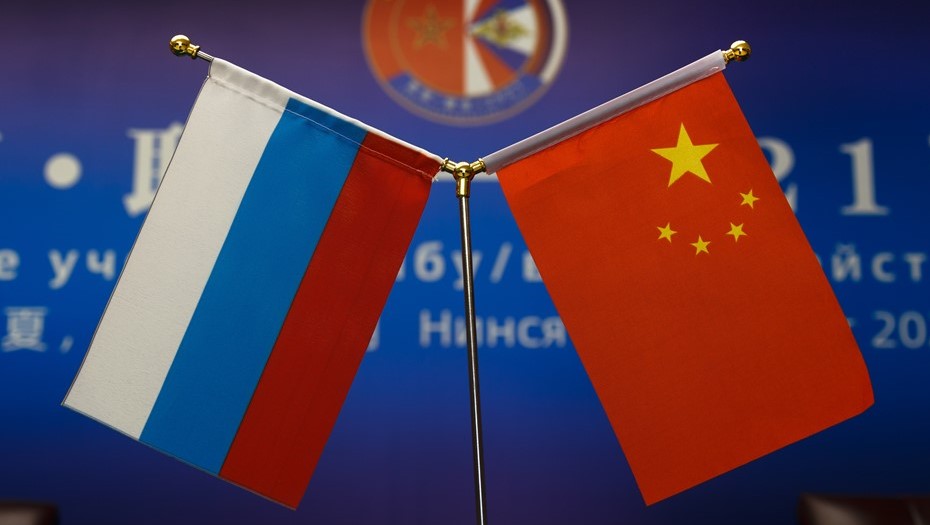
In early December 2025, China and Russia conducted their third joint anti-missile exercises on Russian territory, signaling further consolidation of their military cooperation. According to official statements, the event was “not directed against any third countries and is not related to the current international situation”. However, despite these claims of “neutrality”, the logical conclusion remains clear: the drills reinforce the increasingly intertwined military-strategic partnership between Moscow and Beijing.
Joint anti-air and anti-missile (AAM) exercises are far from a routine measure. They symbolize deep technical and organizational integration. As Chinese experts note, such maneuvers give the armed forces of both countries the opportunity to exchange tactics, practice coordinated defense algorithms, and build a unified early-warning system for emerging threats. This is not merely a matter of “firing together”; it is a rehearsal for joint defense – especially considering that missile defense, air defense, and early-warning systems fundamentally rely on high-quality coordination. The trust component is particularly important: joint exercises mean that China and Russia not only exchange data but also open internal processes to one another – something rarely seen among independent powers.
It is worth recalling that Moscow and Beijing do not have a formal military alliance in the Western sense. Nevertheless, after signing a “partnership without limits” on the eve of the war in Ukraine in 2022, the two countries committed to holding regular joint exercises.

Today, amid U.S. plans to develop projects akin to an air-defense shield – a kind of “Golden Dome” – and even hints of resuming nuclear testing, China and Russia view such exercises as a form of mutual protection, or at least a demonstration of their ability to respond jointly to increasing Western military activity.
The strengthening of Sino-Russian anti-missile coordination carries several potential consequences:
Further joint drills between Russia and China – particularly on missile-defense and strategic-stability topics – may become a regular practice. This increases the interoperability of their armed forces while simultaneously heightening Western perceptions of risk. On one hand, allies see this as a strengthening of defensive capability; on the other, it introduces new tensions involving possible embargoes, countermeasures, expanded military presence, and deployment of new weapons systems.
If joint exercises evolve into integrated early-warning and missile-defense systems, the international community will face one of the defining questions of the 2020s: is renewed arms-control cooperation possible, or is the world entering a new era of arms racing, where global blocs are drawn along new lines?
Thus, Moscow and Beijing appear determined to deepen trust, refine real mechanisms of joint defense, and respond to intensifying Western defense initiatives. In a global environment where geopolitics once again becomes sharply contested, this step may become one of the pivotal factors reshaping the balance of power.


 Latest news
Latest news
Latest newsUS Ready to Lift Sanctions on Turkiye and Restore Its Participation in the F-35 Program
09.Jul.2026
Trump Announces Transfer of License to Ukraine for Patriot Interceptor Missile Production
09.Jul.2026
The NATO Summit in Ankara Marked a New Stage in the Alliance's Transformation
08.Jul.2026
The war in Ukraine - the “liberation of Novorossiya” is a mission impossible
07.Jul.2026
Ursula von der Leyen's Visits to Baku and Yerevan Signal Brussels' New Strategy
07.Jul.2026
Putin's Approval Ratings Decline as Russians Grow Increasingly Concerned About the Economy and the War
06.Jul.2026
Erdogan and Radev Discuss Black Sea Security and Defense Cooperation
06.Jul.2026
OPEC+ Accelerates Output Recovery as Kazakhstan Increases Oil Production from August
05.Jul.2026
Georgia and Uzbekistan Elevate Relations to Strategic Partnership
05.Jul.2026
Iran Turns Khamenei Funeral into a Show of Strength as Week-Long National Mourning Begins
04.Jul.2026