
 24 Jun 2026









The Shadow of Kadyrov in Yerevan: How a Woman Who Fled Violence Was Killed?
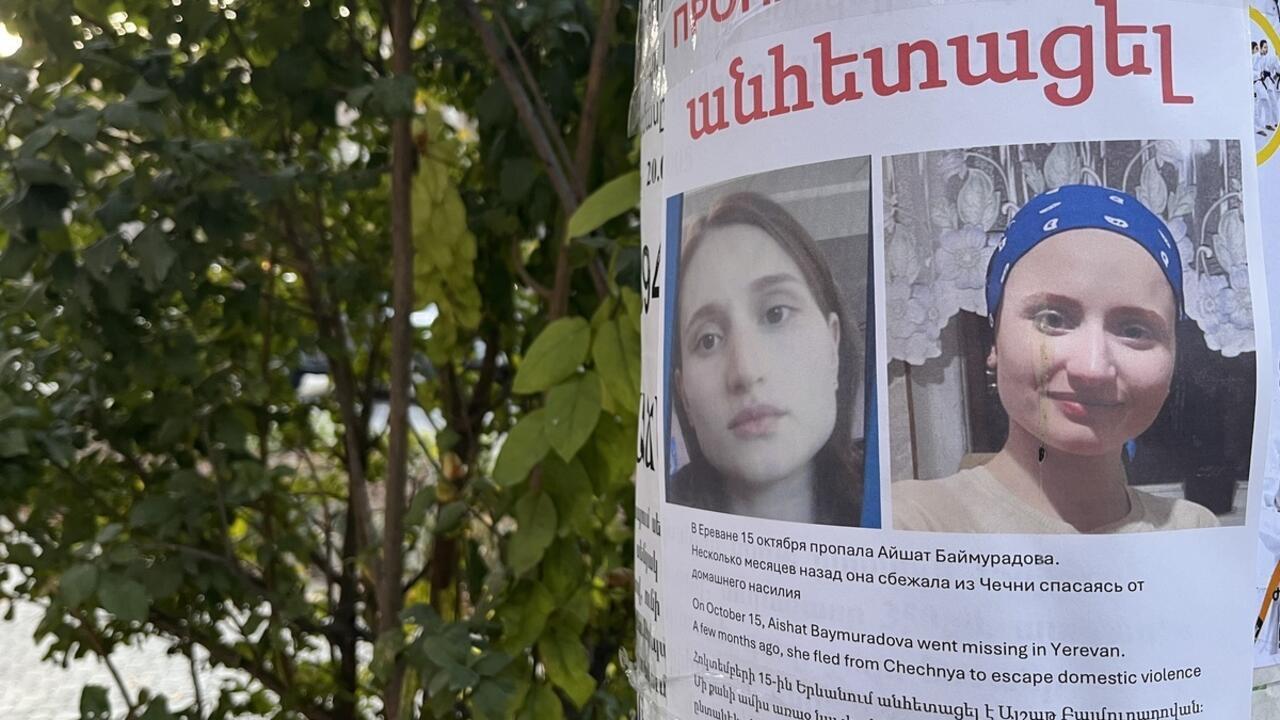
The body of a 23-year-old woman, Aishat Baymurodova, was found in the center of Yerevan – she was a distant relative of Ramzan Kadyrov. According to the investigation, Baymurodova fled Chechnya in early 2025, trying to escape domestic violence, and in mid-October she was discovered dead in an apartment in an elite residential complex.
Initially, suffocation was discussed as the main version, but sources close to the investigation claim that Baymurodova may have been poisoned. Representatives of the investigative authorities have not yet officially announced the cause of death – the body is still in the morgue.
This is not the first time a woman who fled Chechnya has been killed outside Russia. Baymurodova’s story has drawn widespread attention: her escape, her attempts to start a new life, and her subsequent death raise concerns about the safety of refugees, the protection of women’s rights, and the responsibility of authorities in investigating such cases.
The report was published on the YouTube channel Dozhd (TV Rain), which brought significant public resonance to the story.
A wave of discussion and concern has emerged on social networks and messaging apps about the safety of women, especially those who leave home to escape violence. One user in a Telegram channel described the situation as: “You’re safe only if you’re not a Chechen girl”.
According to human rights activists, there is a risk that the case may be “silenced”: the victim’s relatives have already received threats, and the absence of an official cause of death raises further concern.
Media covering the situation emphasize the need for a thorough and transparent investigation – at the very least to determine whether this case was an isolated incident or a sign of a systemic danger for female refugees from regions with repressive regimes.
The case of Baymurodova is not just a tragedy; it may become a warning symbol: people escaping violence do not always receive protection, even after crossing a border.
For Armenia, a country that could theoretically offer refuge to women fleeing the North Caucasus republics, this is a test of responsibility: the state must not only accept them, but also ensure the safety of those who call it their “new home”. In addition, the international community must pay attention to the fate of vulnerable groups – refugee women, victims of domestic violence, and women facing repression in their homeland.


 Latest news
Latest news
Latest newsUkraine’s Battlefield Experience Opens New Opportunities in Asia’s Drone Market
19.Jun.2026
Azerbaijan’s Oil Trap: Why the Economy Is Standing Still
18.Jun.2026
Motorcycle Noise Seen as Obstacle to Air Defense Operations in Crimea
17.Jun.2026
Rising Wages and Euro Integration: Bulgaria Enters a New Economic Era
17.Jun.2026
Armenia After June 7: Pashinyan Remains in Power, Moscow Unhappy
17.Jun.2026
$300 Billion Deal: Iran Poised to Receive the Largest Investment Package in Modern Middle Eastern History
16.Jun.2026
Infrastructure Pressure: Putin Acknowledges the Economic Impact of Ukrainian Attacks
15.Jun.2026
Kyiv and Moscow Trade Blame After Damage Reported at Kyiv Pechersk Lavra
15.Jun.2026
IMF Raises Georgia’s Economic Growth Forecast to 6.5% for 2026
15.Jun.2026
EU Opens the Door to Ukraine and Moldova as First Membership Talks Begin
14.Jun.2026