
 24 Jun 2026









Ukraine Strengthens Its Army Amid Growing Threats
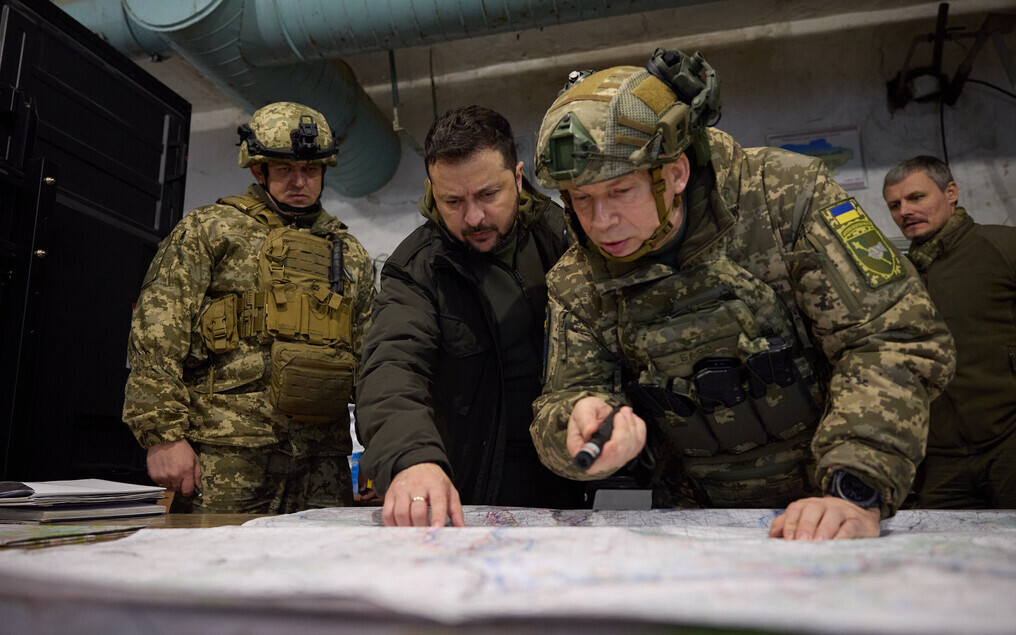
Against the backdrop of daily strikes on civilian targets, increasing pressure along the front line, and an open-ended political crisis, Ukraine’s military leadership has decided to carry out a large-scale reform of the mobilization training system: the length of basic training has been extended, and the structure of combat training itself has been modernized.
Commander of the Ground Forces Oleksandr Syrskyi stated that extending the duration of basic general military training to 51 days, introducing specialized courses and adaptation programs within units, raising requirements for instructors, and improving training-center infrastructure are all intended to compensate for personnel shortages and create combat-ready, adequately trained units.
It was also announced that training will be moved from front-line regions to safer central and western areas of Ukraine in order to avoid unnecessary losses among new recruits and reduce stress.
“We have no right to be careless when it comes to the safety of our soldiers,” Syrskyi emphasized.
At the same time as these efforts to strengthen the army, large-scale attacks by Russia continue in Ukraine. On the night of December 8, air and artillery strikes were recorded in Zaporizhzhia Oblast and surrounding areas, including residential and industrial sites. According to local authorities, at least 15 people were injured.
These strikes are part of a systematic strategy aimed at undermining infrastructure, destabilizing the country, and causing moral exhaustion. Civilian casualties, destruction of residential areas, and damage to public infrastructure all highlight that the conflict is far from “frozen” or close to peace.
Under such conditions, even strengthening the army is only part of the answer: Ukraine is being forced to defend itself, adapt, and mobilize simultaneously, preparing for a prolonged war.
In parallel with its military efforts, international support for Ukraine continues to grow and to take more structured forms. In particular, the European Union has given the green light to a new defense package – the European Defense Industry Program (EDIP), which allocates €300 million for modernization of Ukraine’s defense industry and its integration into European production chains.
Against the backdrop of resource depletion and a long war, such steps have strategic importance: they not only support immediate needs but can also lay the foundation for a sustainable defense-industrial base capable of supplying the Ukrainian army not only with weapons but with consistent logistical support.
However, these measures also highlight a deeper problem: without external support, reliable allies, and a stable military infrastructure, Ukraine risks finding itself in a vulnerable position in the long term.
Beyond the formalities, programs, and numbers, the human factor remains – people are dying, tragedies unfold, and lives are being destroyed. Recent strikes on civilian areas, infrastructure damage, and new casualties remind us again that the conflict is not an abstraction, but real pain, fear, and loss.
The updated training system, military modernization, and external support are important measures, but they will not immediately ease the emotional burden, restore what has been destroyed, or heal the wounds. Nevertheless, they show that Ukraine is doing everything possible to stand its ground, defend its independence, and preserve its chances for a future peace on its own terms.
What is happening now is not simply another reinforcement of the army or a one-time mobilization wave. It is a strategic transformation – an attempt to reshape the state and society for the realities of a long war.
Extending and improving military training is a response to the personnel crisis, troop fatigue, and the need for better-prepared soldiers. Moving training grounds to safer regions indicates that Ukraine is preparing not for short-term operations but for long-term defense. Integration with Europe’s defense industry signals that Ukraine seeks not only to survive but to become part of a larger security framework.
If these efforts succeed, Ukraine could transform from a country surviving under emergency conditions into a stable partner for the West – with a capable army, a functioning defense industry, and prospects for recovery.
Today, Ukraine continues to endure constant attacks, destruction, and losses. Yet in the midst of this – there is no panic or chaos, but systematic work: re-equipping the army, defense reforms, and growing international involvement. This is a new strategy of survival and resistance. And although the path ahead is long and the price high, the steps Ukraine is taking today may determine its future for years to come.


 Latest news
Latest news
Latest newsUkraine’s Battlefield Experience Opens New Opportunities in Asia’s Drone Market
19.Jun.2026
Azerbaijan’s Oil Trap: Why the Economy Is Standing Still
18.Jun.2026
Motorcycle Noise Seen as Obstacle to Air Defense Operations in Crimea
17.Jun.2026
Rising Wages and Euro Integration: Bulgaria Enters a New Economic Era
17.Jun.2026
Armenia After June 7: Pashinyan Remains in Power, Moscow Unhappy
17.Jun.2026
$300 Billion Deal: Iran Poised to Receive the Largest Investment Package in Modern Middle Eastern History
16.Jun.2026
Infrastructure Pressure: Putin Acknowledges the Economic Impact of Ukrainian Attacks
15.Jun.2026
Kyiv and Moscow Trade Blame After Damage Reported at Kyiv Pechersk Lavra
15.Jun.2026
IMF Raises Georgia’s Economic Growth Forecast to 6.5% for 2026
15.Jun.2026
EU Opens the Door to Ukraine and Moldova as First Membership Talks Begin
14.Jun.2026