
 14 Jul 2026









- International context. The U.S. and the EU are demanding structured negotiations.
Washington, according to Western media reports, seeks to accelerate the process
in order to secure a diplomatic success and reduce the risks of a prolonged
conflict.
- Military situation. Russian forces are intensifying pressure on several
sectors of the front, and it is important for Ukraine to maintain political
initiative even if the battlefield tempo is not in its favor.
- Domestic political
demand. The Ukrainian elite and
society expect clarity: either continued mobilization and a strict wartime
regime, or a transition toward forming the post-war political architecture.
- ready to discuss mechanisms, but not borders;
- ready for elections, but only with Western support;
- ready to update the plan, but keep its key principles
unchanged.
Ukraine on the Threshold of a Political Shift: Updated Peace Plan and Zelensky’s Statement on Readiness for Elections
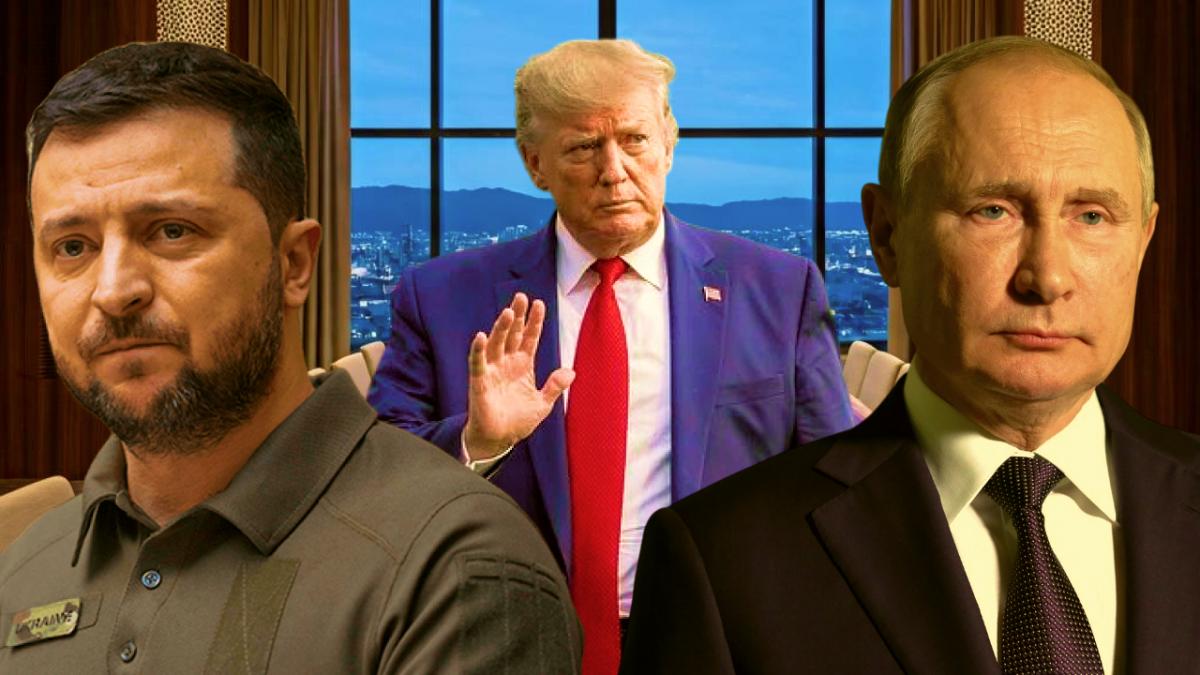
Ukraine
is entering a new phase of political turbulence and diplomatic activity.
President Volodymyr Zelensky’s announcement about sending an updated peace plan
to the United States, along with his public readiness to hold elections in the
coming months, has become the main political event of the week. These signals
highlight several key vectors at once: Kyiv’s desire to reboot its dialogue
with Western partners, the need to demonstrate the manageability of its
domestic political system, and the intention to maintain its position in
upcoming negotiations on the status of occupied territories.
The Ukrainian president stated that a “clarified and
updated” version of peace proposals will soon be provided to the United States.
While the details are not officially disclosed, it is already clear that Kyiv
seeks to adapt its positions to the current international environment while
retaining control over the substance of a future agreement.
In effect, this represents a rethinking of previous
diplomatic frameworks. Prolonged hostilities, shifts in the balance of power,
and increasing U.S. interest in a structured peace process are forcing Ukraine
to respond more flexibly. At the same time, judging by Zelensky’s rhetoric,
Kyiv is not abandoning its core principles – territorial integrity, security,
and international guarantees.
Equally important was another message from Zelensky:
Ukraine is ready to hold national elections within 60–90 days. But on one
condition – the Western partners must assume responsibility for ensuring the
security of the electoral process.

This statement is clearly addressed to both external and
internal audiences. Kyiv is signaling to the West that it is ready to restore
democratic procedures and confirm institutional resilience even during wartime.
This strengthens Ukraine’s argument in discussions on financial and military
support. On the other hand, Zelensky is demonstrating to the Ukrainian people
and the opposition openness and readiness for political competition, while
simultaneously shifting the responsibility for voters’ physical safety to the
allies. This increases pressure on partners, turning the election issue into an
international rather than purely domestic one. Additionally, Ukraine’s
readiness for elections sends Russia a message that the Ukrainian state remains
functional and does not collapse under the pressure of war – an important
psychological and symbolic factor.
Zelensky’s position on the territories also deserves
attention. He emphasizes that Ukraine does not intend to give up its land, and
that the status of Donbas remains a subject of future negotiations.
This formulation is simultaneously firm (Kyiv does not recognize territorial
concessions) and flexible (Zelensky
allows discussion of status formulas, governance mechanisms, international presence,
or transitional periods). Donbas – not Crimea – is once again moving to the
center of the diplomatic discussion. This is explained both by the current
front-line situation and by Ukraine’s attempt to construct a more realistic
negotiation track in which achieving a partial result could establish a basis
for a comprehensive agreement.
The convergence of these initiatives – the updated peace
plan, elections, and territorial statements – indicates a strategic shift in
Kyiv’s approach. There are at least three reasons for this:
Zelensky’s set of statements demonstrates Kyiv’s readiness
for intensive diplomatic procedures. Ukraine is not so much softening its
position as adjusting its tactics:
This approach allows Kyiv to maintain political initiative
without making direct concessions.
Zelensky is betting on a synchronized strategy across three fronts – domestic, international, and diplomatic. The updated peace plan, declared readiness for elections, and public reinforcement of the principle of territorial integrity create the foundation for a new stage in Ukraine’s strategy. Ukraine is simultaneously demonstrating to Western partners readiness for compromise in form, but not in substance; to its internal audience – state manageability under wartime conditions; and to Russia – resilience and readiness for a prolonged political struggle. In the coming weeks, these elements will define the contours of the emerging diplomatic process.
Expert Group CCBS


 Latest news
Latest news
Latest newsUS Ready to Lift Sanctions on Turkiye and Restore Its Participation in the F-35 Program
09.Jul.2026
Trump Announces Transfer of License to Ukraine for Patriot Interceptor Missile Production
09.Jul.2026
The NATO Summit in Ankara Marked a New Stage in the Alliance's Transformation
08.Jul.2026
The war in Ukraine - the “liberation of Novorossiya” is a mission impossible
07.Jul.2026
Ursula von der Leyen's Visits to Baku and Yerevan Signal Brussels' New Strategy
07.Jul.2026
Putin's Approval Ratings Decline as Russians Grow Increasingly Concerned About the Economy and the War
06.Jul.2026
Erdogan and Radev Discuss Black Sea Security and Defense Cooperation
06.Jul.2026
OPEC+ Accelerates Output Recovery as Kazakhstan Increases Oil Production from August
05.Jul.2026
Georgia and Uzbekistan Elevate Relations to Strategic Partnership
05.Jul.2026
Iran Turns Khamenei Funeral into a Show of Strength as Week-Long National Mourning Begins
04.Jul.2026