
 14 Jul 2026









Head of Muslims of the Caucasus Refuses to Meet Catholicos of All Armenians: A Political-Religious Signal Amid Regional Tensions
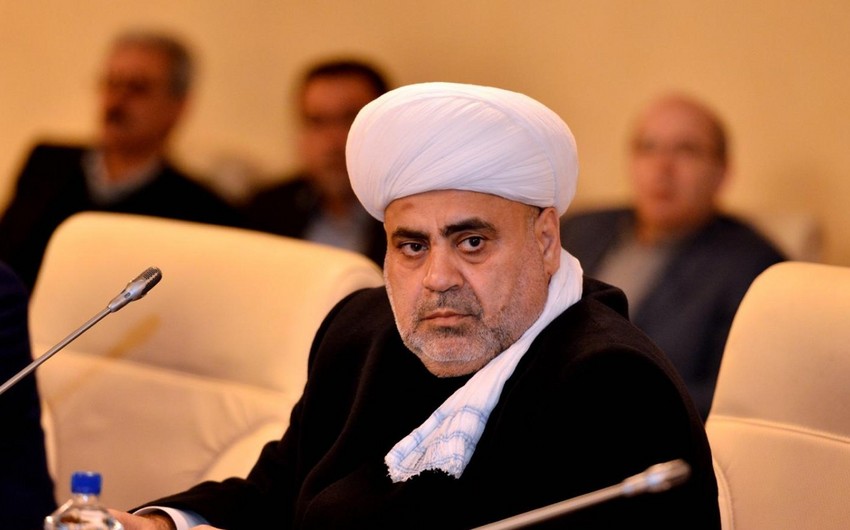
On June 6, 2025, the Chairman of the Caucasus Muslims Board, Sheikh Allahshukur Pashazade, announced that he does not intend to meet with the Catholicos of All Armenians, Karekin II, despite repeated proposals from the Armenian Apostolic Church.
The statement came amid escalating tensions between Armenia and Azerbaijan, particularly concerning cultural and religious heritage in Nagorno-Karabakh. According to Pashazade, “a meeting with the Catholicos under the current conditions would be inappropriate and premature,” as dialogue is only possible after achieving lasting peace and mutual respect between the sides.
It should be noted that the Armenian side had previously proposed holding an interfaith dialogue as a means of reconciliation and humanitarian engagement. Pashazade had participated in similar meetings in the past, including under the mediation of Russia and international religious organizations. However, since 2023, such contacts have been frozen. Catholicos Karekin II has repeatedly emphasized the importance of spiritual communication between confessions in the region and expressed hope for "peace among nations, based on Christian and Islamic values."
Possible reasons for refusal include:
- Political pressure from Azerbaijan, especially in light of the ongoing conflict and issues concerning cultural heritage in Nagorno-Karabakh;
- A strict stance by Baku on any contacts with Yerevan outside the official political agenda;
- Fear of internal criticism — such gestures could be perceived as concessions within the Azerbaijani Muslim community.
There has been no official comment so far, but sources close to the Mother See of Holy Etchmiadzin expressed regret over the refusal and stated that “the door for dialogue remains open.”
Pashazade’s refusal highlights how even religious diplomacy in the region remains hostage to geopolitical confrontation. It underscores the depth of the divisions and how difficult achieving sustainable peace is without the involvement of all parties — including religious institutions.


 Latest news
Latest news
Latest newsUS Ready to Lift Sanctions on Turkiye and Restore Its Participation in the F-35 Program
09.Jul.2026
Trump Announces Transfer of License to Ukraine for Patriot Interceptor Missile Production
09.Jul.2026
The NATO Summit in Ankara Marked a New Stage in the Alliance's Transformation
08.Jul.2026
The war in Ukraine - the “liberation of Novorossiya” is a mission impossible
07.Jul.2026
Ursula von der Leyen's Visits to Baku and Yerevan Signal Brussels' New Strategy
07.Jul.2026
Putin's Approval Ratings Decline as Russians Grow Increasingly Concerned About the Economy and the War
06.Jul.2026
Erdogan and Radev Discuss Black Sea Security and Defense Cooperation
06.Jul.2026
OPEC+ Accelerates Output Recovery as Kazakhstan Increases Oil Production from August
05.Jul.2026
Georgia and Uzbekistan Elevate Relations to Strategic Partnership
05.Jul.2026
Iran Turns Khamenei Funeral into a Show of Strength as Week-Long National Mourning Begins
04.Jul.2026