
 14 Jul 2026









Moldova Has Made Its Choice: A Course Toward Europe
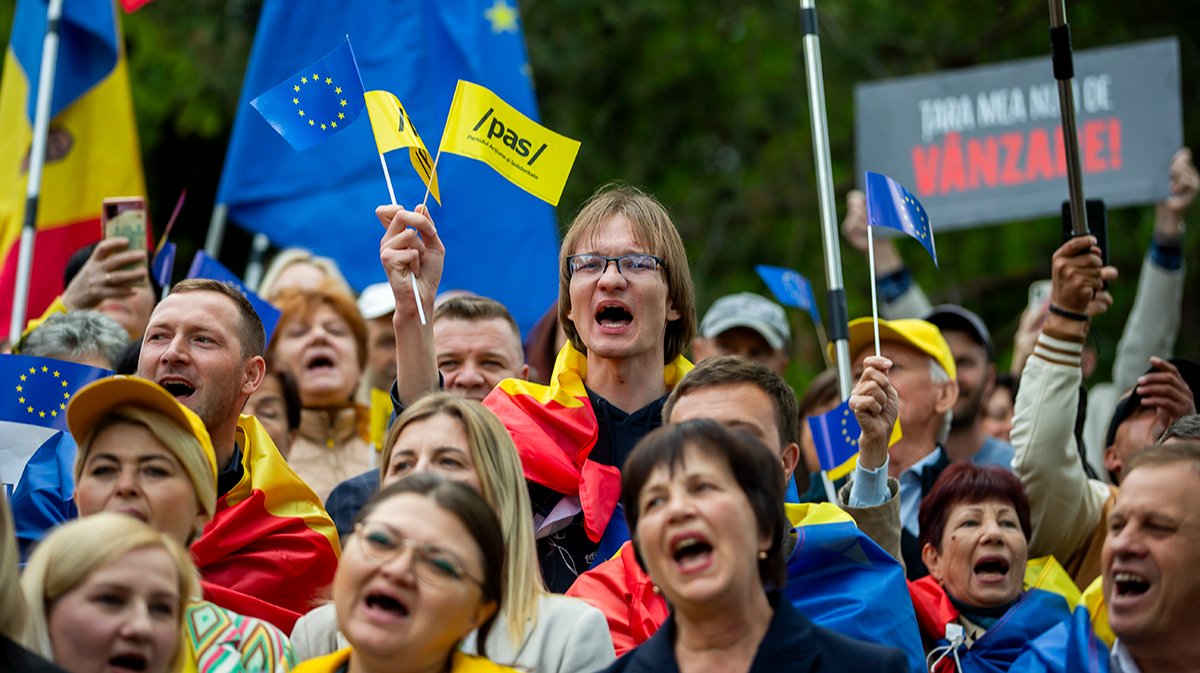
The parliamentary elections in
Moldova on September 28 became a turning point for the country’s political
future. The Party of Action and Solidarity (PAS), led by President Maia Sandu,
achieved a confident victory, securing just over 50% of the vote and winning 55
out of 101 seats in parliament. This absolute majority allows the party, for
the first time, to form a government without coalition negotiations – a rarity
in Moldovan politics.
The
election results were perceived as a clear signal from society: the majority of
citizens support the course toward integration with the European Union.
According to the French foreign minister, the vote represented “confirmation of
the Moldovan people’s European choice”. Western analysts share this assessment,
calling the election a “turning point” for a country long balancing between
Russia and the West.
For
Brussels, PAS’s victory opens new opportunities to accelerate talks on closer
integration, including within the framework of the EU enlargement program.
However, the process will not be easy: reforms in the judiciary, the fight
against corruption, and modernization of the economy remain key challenges.
On the
eve of the elections, Moldovan authorities detained 74 people suspected of
preparing unrest aimed at destabilizing the country. According to law
enforcement, the funding came from Russia. The prime minister accused Moscow of
systematic attempts at interference – ranging from cyberattacks and
disinformation campaigns to vote buying.
Although
the Kremlin traditionally denies such allegations, Western observers believe
that Russia still views Moldova as part of its sphere of influence and is
unwilling to accept the strengthening of pro-European forces in Chișinău.
Despite
its convincing victory, PAS faces difficult tasks:
- Economy: high
inflation and dependence on external markets are creating social tensions;
- Energy
security: Chișinău seeks to reduce dependence on Russian
gas, but alternative sources remain limited;
- Social
divide: part of the population continues to orient
itself toward Russia, particularly in regions where pro-Russian parties still
hold influence.
In
addition, the extradition and return to the country of oligarch Vladimir
Plahotniuc – a figure symbolizing the “theft of the century” and systemic
corruption – could become a new trial for the authorities. His presence in
Moldova may reignite debate about the elites’ real readiness for deep reforms.
PAS’s
victory opens the door to a potential breakthrough in reforms and EU
integration. At the same time, external pressure is intensifying: Russia is
unlikely to leave Moldova alone and will seek new levers of influence.
Thus,
for Maia Sandu and her team, this is a window of opportunity: either the
country consolidates its European choice and begins accelerated integration
with the EU, or it risks becoming mired in old problems – corruption, energy
dependence, and geopolitical confrontation.
In conclusion, Moldova has made its choice: a course toward Europe. The main intrigue now is whether the government can justify public trust and turn electoral success into real transformation of the country.


 Latest news
Latest news
Latest newsUS Ready to Lift Sanctions on Turkiye and Restore Its Participation in the F-35 Program
09.Jul.2026
Trump Announces Transfer of License to Ukraine for Patriot Interceptor Missile Production
09.Jul.2026
The NATO Summit in Ankara Marked a New Stage in the Alliance's Transformation
08.Jul.2026
The war in Ukraine - the “liberation of Novorossiya” is a mission impossible
07.Jul.2026
Ursula von der Leyen's Visits to Baku and Yerevan Signal Brussels' New Strategy
07.Jul.2026
Putin's Approval Ratings Decline as Russians Grow Increasingly Concerned About the Economy and the War
06.Jul.2026
Erdogan and Radev Discuss Black Sea Security and Defense Cooperation
06.Jul.2026
OPEC+ Accelerates Output Recovery as Kazakhstan Increases Oil Production from August
05.Jul.2026
Georgia and Uzbekistan Elevate Relations to Strategic Partnership
05.Jul.2026
Iran Turns Khamenei Funeral into a Show of Strength as Week-Long National Mourning Begins
04.Jul.2026