
 14 Jul 2026









Iran says nuclear work will not be hurt by end of U.S. sanctions waivers
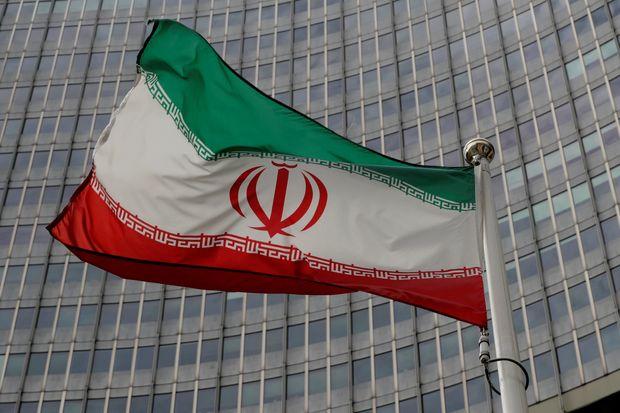
According to Reuters, a U.S. decision to terminate sanctions waivers that have allowed foreign companies to do some work at Iranian nuclear sites will not affect Iran’s nuclear programme, Iran’s Atomic Energy Organisation (AEOI) said on Thursday.
The United States said on Wednesday it will terminate the waivers, which had allowed Russian, Chinese and European companies to carry out work at Iranian nuclear sites.
The role of the foreign firms was agreed in Iran’s nuclear deal with world powers in 2015, and was intended to help ensure Iran’s nuclear programme would not be used to make weapons.
“The ending of waivers for nuclear cooperation under (the nuclear deal) will not in practice have any effect on Iran’s work,” AEOI spokesman Behrouz Kamalvandi said, in remarks reported by ISNA news agency. “Of course America wants its actions to have an effect in line with pressure on Iran, but in practice nothing will happen.”
Under the 2015 nuclear agreement, Iran agreed to curbs on its nuclear program in exchange for sanctions relief. U.S. President Donald Trump withdrew from the deal in 2018 and has since reimposed sanctions. Iran has scaled back its commitments under the deal but says it still abides by its overall terms.
The waivers, which officials said expire on July 27, covered the conversion of Iran’s Arak heavy water research reactor, the provision of enriched uranium for its Tehran Research Reactor and the transfer of spent and scrap reactor fuel abroad.
Iran agreed to shut down the reactor at Arak - about 250 km southwest of Tehran - under the 2015 deal. Iran was allowed to produce a limited amount of heavy water and Tehran has been working on redesigning the reactor. Tehran says it will make isotopes for medical and agricultural use.
Work on redesigning the Arak reactor is continuing, albeit at a slow pace because of sanctions and problems with carrying out the nuclear deal, Kamalvandi said.


 Latest news
Latest news
Latest newsUS Ready to Lift Sanctions on Turkiye and Restore Its Participation in the F-35 Program
09.Jul.2026
Trump Announces Transfer of License to Ukraine for Patriot Interceptor Missile Production
09.Jul.2026
The NATO Summit in Ankara Marked a New Stage in the Alliance's Transformation
08.Jul.2026
The war in Ukraine - the “liberation of Novorossiya” is a mission impossible
07.Jul.2026
Ursula von der Leyen's Visits to Baku and Yerevan Signal Brussels' New Strategy
07.Jul.2026
Putin's Approval Ratings Decline as Russians Grow Increasingly Concerned About the Economy and the War
06.Jul.2026
Erdogan and Radev Discuss Black Sea Security and Defense Cooperation
06.Jul.2026
OPEC+ Accelerates Output Recovery as Kazakhstan Increases Oil Production from August
05.Jul.2026
Georgia and Uzbekistan Elevate Relations to Strategic Partnership
05.Jul.2026
Iran Turns Khamenei Funeral into a Show of Strength as Week-Long National Mourning Begins
04.Jul.2026