
 14 Jul 2026









The Kremlin Warns the West of Dangerous Escalation: U.S. Plans to Supply Tomahawk Missiles to Ukraine
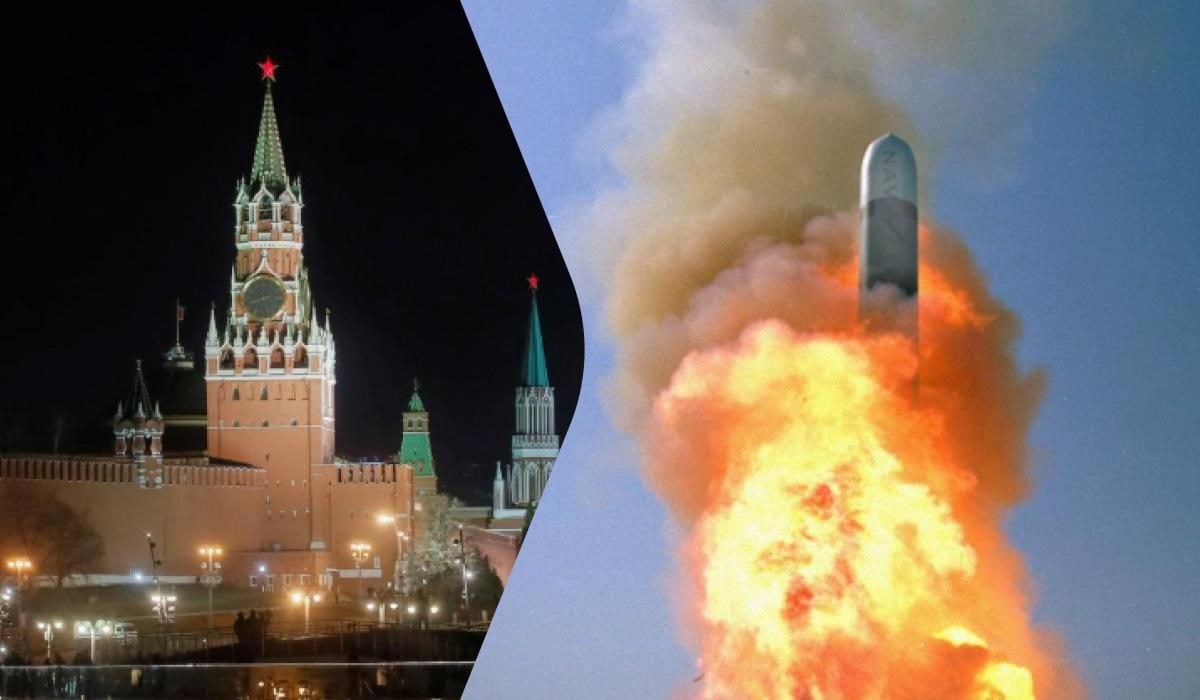
Moscow has issued a stern warning to Western countries following reports that the United States plans to transfer Tomahawk cruise missiles with a range of up to 1,600 kilometers to Ukraine. According to Russian authorities, this would mark “a moment of dramatic escalation” in the conflict and lead to “unpredictable consequences” for European security as a whole.
Kremlin spokesman Dmitry Peskov stated that such decisions “take the situation beyond a controllable confrontation” and “bring the West closer to direct involvement in the war”. The Russian side believes that the appearance of long-range strike systems in Kyiv’s arsenal could mean the potential for attacks on targets deep inside central Russia.

According to Western media, the transfer of Tomahawks is being discussed in Washington as part of a new military aid package intended to strengthen Ukraine’s position after its successful strikes on Russian oil facilities and military airfields.
Experts note that these missiles could radically change the strategic landscape of the conflict: with a range exceeding 1,500 km, they could hit targets in the Moscow, Nizhny Novgorod, and Saratov regions.
“Moscow will regard any strikes on its territory as actions requiring a mirrored or asymmetric response”, a source in the Russian Foreign Ministry stated.
Analysts do not rule out that Russia’s response could include reinforcing its military presence in Kaliningrad, deploying new Iskander missile systems, and raising the combat readiness of its strategic forces.
Essentially, this is not just another round of the arms race but a transition to a phase of strategic deterrence, in which each side operates on the brink of direct confrontation. Moscow seeks to demonstrate that its “red lines” still exist, while Washington aims to show that Russia can no longer dictate the terms of the game.
In this situation, the risk of incidents with unpredictable consequences is growing – especially if Ukraine gains the ability to strike Russian territory without NATO’s direct participation, but with its technical support.


 Latest news
Latest news
Latest newsUS Ready to Lift Sanctions on Turkiye and Restore Its Participation in the F-35 Program
09.Jul.2026
Trump Announces Transfer of License to Ukraine for Patriot Interceptor Missile Production
09.Jul.2026
The NATO Summit in Ankara Marked a New Stage in the Alliance's Transformation
08.Jul.2026
The war in Ukraine - the “liberation of Novorossiya” is a mission impossible
07.Jul.2026
Ursula von der Leyen's Visits to Baku and Yerevan Signal Brussels' New Strategy
07.Jul.2026
Putin's Approval Ratings Decline as Russians Grow Increasingly Concerned About the Economy and the War
06.Jul.2026
Erdogan and Radev Discuss Black Sea Security and Defense Cooperation
06.Jul.2026
OPEC+ Accelerates Output Recovery as Kazakhstan Increases Oil Production from August
05.Jul.2026
Georgia and Uzbekistan Elevate Relations to Strategic Partnership
05.Jul.2026
Iran Turns Khamenei Funeral into a Show of Strength as Week-Long National Mourning Begins
04.Jul.2026