
 28 Aug 2026









Between a Rock and a Hard Place: The Political Situation Forces Netanyahu into a Difficult Choice
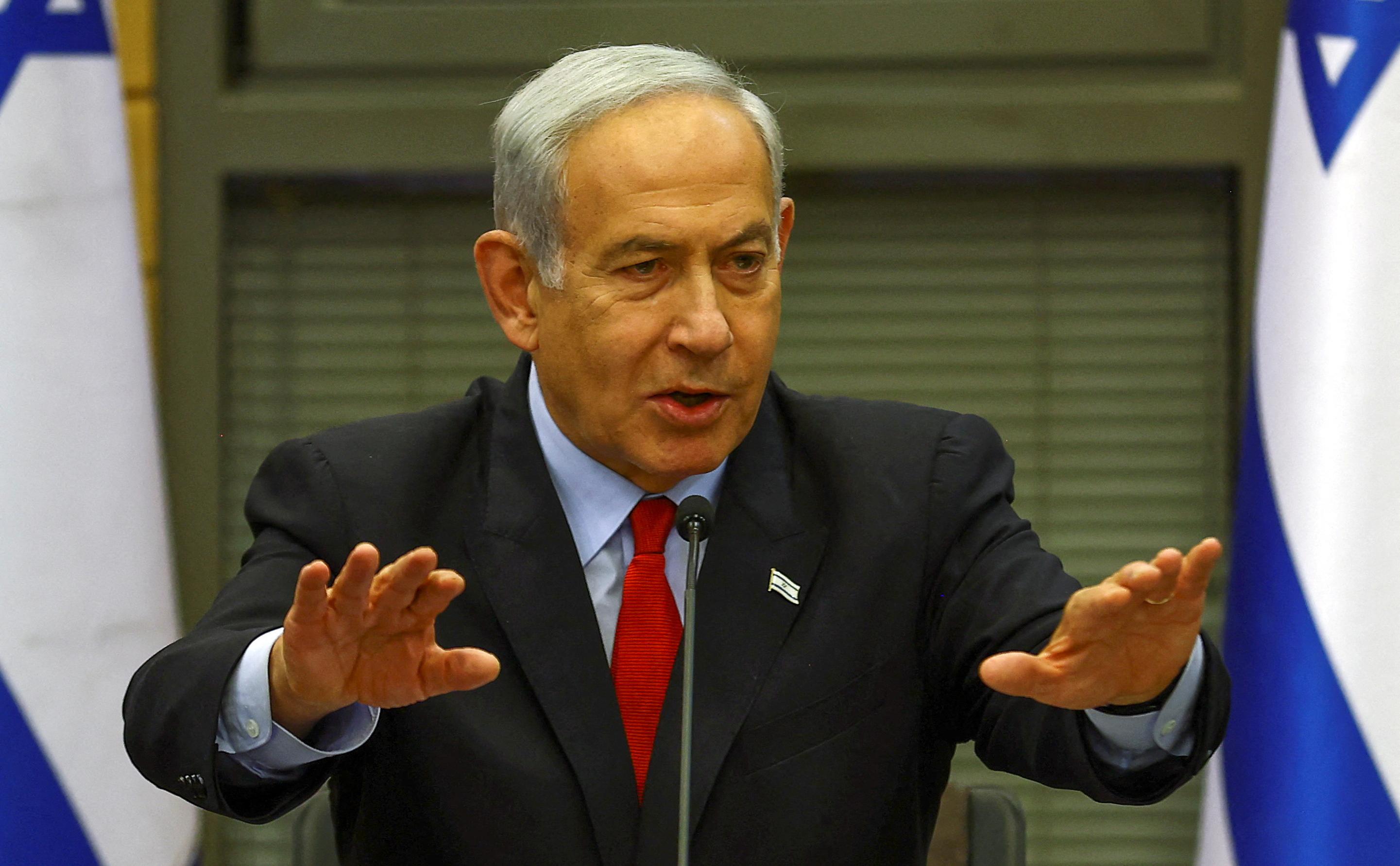
A week has passed since the
signing of the peace agreement in Gaza. During this time, the truce has been
violated several times under various pretexts. Recently, Israel carried out
massive airstrikes on the city of Khan Younis and several other areas of the
Gaza Strip. At the same time, both sides – Israel and Hamas – continue to
declare their commitment to the peace agreement.
Against
this backdrop, Israeli Prime Minister Benjamin Netanyahu has announced his
intention to run for re-election in November next year. However, despite his
political resilience, several factors may prevent Netanyahu from passing the
“pre-election qualification” this time.
After
two years of war in Gaza, Israel has failed to achieve its strategic
objectives. Hamas has not been destroyed, and control over the Gaza Strip is
expected to be handed over to third parties. The return of hostages can only be
considered a minor tactical success, as only part of them survived.
Meanwhile,
the sword of Damocles still hangs over Netanyahu and his family – the
investigation into the so-called “Qatargate” corruption case involving the
Israeli prime minister and his close associates continues. In this context,
former U.S. President Donald Trump’s appeal to Israel’s president to pardon
Netanyahu speaks volumes.
On the
other hand, Netanyahu faces strong pressure, primarily from the far-right
members of his government. The ministers of national security, transportation,
and finance have openly called for the continuation of the war in Gaza.
Thus, the situation places Netanyahu before a difficult choice – to resume the war to avoid internal pressure, or to uphold the peace to avoid external pressure. Clearly, either path puts the Israeli prime minister in a losing position.


 Latest news
Latest news
Latest newsRussia Intensifies Strikes on Ukraine’s Infrastructure, Targeting Warehouses and Logistics Hubs
28.Aug.2026
A New Economic Framework for Central Asia and the Caucasus: The Role of Azerbaijan and Uzbekistan
28.Aug.2026
Moscow Warns London: Russia Considers Strikes on British Military Targets
27.Aug.2026
Kazakhstan Launches a New Economic Strategy: GDP Growth, Investment and Pension Reform
27.Aug.2026
CIA Director Visits Moscow: Trump Hopes for Results
26.Aug.2026
Former Ukrainian Defense Minister Warns of Risk of Gradual Defeat in War with Russia
25.Aug.2026
Putin Authorizes Temporary State Management of Critical Infrastructure Vulnerable to Drone Attacks
24.Aug.2026
The United States Rapidly Expands Missile Production: Pentagon Accelerates Output of Tomahawks and Other Critical Weapons
24.Aug.2026
Record Supplies: Armenia Boosts Fish Exports to Georgia
23.Aug.2026
Political Battle During Wartime: Zelensky Opposes Elections
23.Aug.2026
Romania Approves Construction of One of the Largest Solar Power Plants in Europe
23.Aug.2026
Ex-Ukrainian Defence Minister Fails in Bid to Pressure Zelenskiy
22.Aug.2026
Upper Lars: Why Border Queues Have Become a Political Signal for Georgia and Russia
22.Aug.2026
Russia-Ukraine War: No Decisive Breakthrough on the Front and Intensifying Ukrainian Deep Strikes on Russia
21.Aug.2026
TRIPP, Peace, and a New Geopolitical Crossroads: How Armenia Has Changed One Year After Washington
20.Aug.2026