
 28 Aug 2026









Kazakhstan Strengthens Border Controls Amid Risk of Nipah Virus Importation
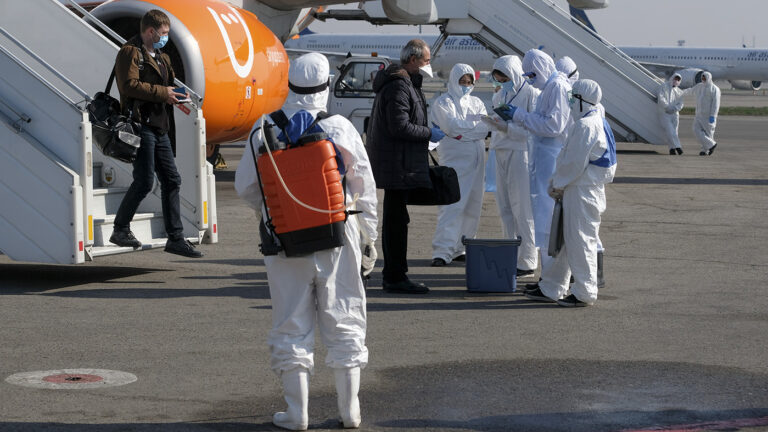
On
February 9, 2026, the Ministry of Health of the Republic of Kazakhstan
announced a significant increase in sanitary and quarantine controls at all
border crossing points. According to Zakon.kz, this measure is
linked to the worsening epidemiological situation in several Southeast Asian
countries due to an outbreak of the dangerous Nipah virus, which is considered
a potential threat to public health.
According to official data, no cases of Nipah virus
infection have been recorded in Kazakhstan, and the epidemiological situation
remains stable. Nevertheless, as a preventive measure, enhanced controls have
been introduced at all international flights, railway and road crossings, as
well as at airports and border checkpoints. Special attention is being paid to
individuals arriving from countries considered high-risk for this disease,
including India and other states in the region, with the list of such countries
being updated periodically.
 The Ministry of Health of Kazakhstan has strengthened sanitary and quarantine controls at all border crossing points
In addition to increased inspections of passengers and
transport, the Ministry of Health has initiated interagency exercises to
respond to public health emergencies, which are being held at international
airports and major transport hubs. According to the Ministry, medical
organizations across the country have been put on high alert, and reserves of
essential medications, personal protective equipment, and disinfectants have
been established.
The strengthening of border controls also reflects, in
part, a broader trend in recent years toward increasing security requirements
at border crossing points. Kazakhstan has been modernizing its checkpoints and
introducing new electronic queue and inspection systems over the past several
years — measures aimed both at accelerating border processing and improving
control over migration and sanitary risks.
Experts note that it is important to maintain a balance
between effectively preventing the entry of infectious diseases and preserving
the logistical and transport capacity of the borders. Stricter sanitary
controls may slow down traffic flows and create queues at checkpoints, a
phenomenon that has already been observed in some cases at borders with
neighboring countries.
According to epidemiologists, timely border control measures are key to preventing the spread of particularly dangerous diseases, especially during outbreaks in other regions of the world. However, the effectiveness of such measures depends not only on border inspections but also on the internal healthcare system, including rapid detection and isolation of potential cases.


 Latest news
Latest news
Latest newsRussia Intensifies Strikes on Ukraine’s Infrastructure, Targeting Warehouses and Logistics Hubs
28.Aug.2026
A New Economic Framework for Central Asia and the Caucasus: The Role of Azerbaijan and Uzbekistan
28.Aug.2026
Moscow Warns London: Russia Considers Strikes on British Military Targets
27.Aug.2026
Kazakhstan Launches a New Economic Strategy: GDP Growth, Investment and Pension Reform
27.Aug.2026
CIA Director Visits Moscow: Trump Hopes for Results
26.Aug.2026
Former Ukrainian Defense Minister Warns of Risk of Gradual Defeat in War with Russia
25.Aug.2026
Putin Authorizes Temporary State Management of Critical Infrastructure Vulnerable to Drone Attacks
24.Aug.2026
The United States Rapidly Expands Missile Production: Pentagon Accelerates Output of Tomahawks and Other Critical Weapons
24.Aug.2026
Record Supplies: Armenia Boosts Fish Exports to Georgia
23.Aug.2026
Political Battle During Wartime: Zelensky Opposes Elections
23.Aug.2026
Romania Approves Construction of One of the Largest Solar Power Plants in Europe
23.Aug.2026
Ex-Ukrainian Defence Minister Fails in Bid to Pressure Zelenskiy
22.Aug.2026
Upper Lars: Why Border Queues Have Become a Political Signal for Georgia and Russia
22.Aug.2026
Russia-Ukraine War: No Decisive Breakthrough on the Front and Intensifying Ukrainian Deep Strikes on Russia
21.Aug.2026
TRIPP, Peace, and a New Geopolitical Crossroads: How Armenia Has Changed One Year After Washington
20.Aug.2026