
 14 Jul 2026









Russia and Ukraine Fail to Reach Agreement in Geneva
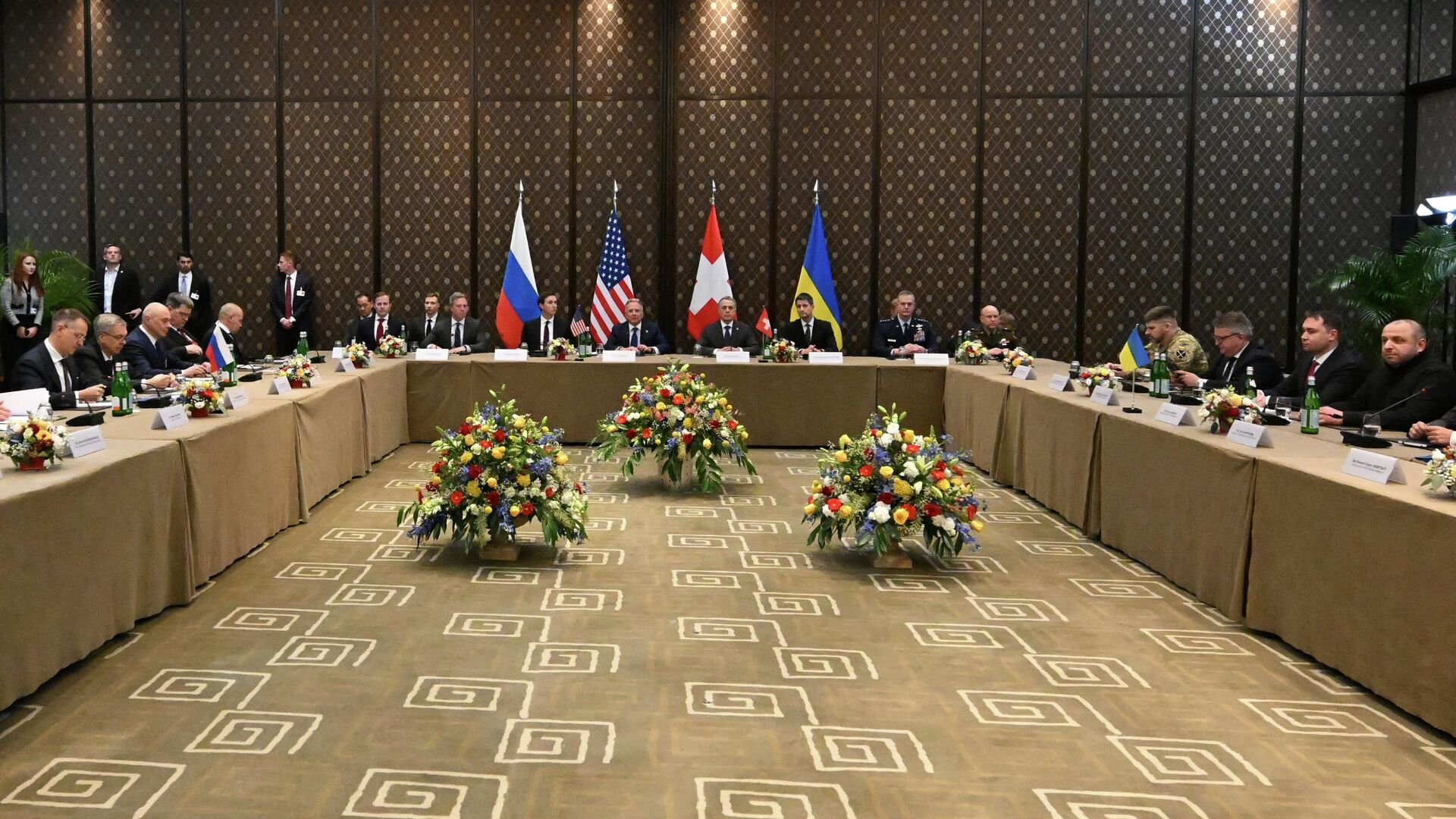
The
latest round of negotiations on ending the war between Russia and Ukraine has
concluded in Geneva without a breakthrough. The meetings, held on February
17–18 with U.S. mediation, lasted two days and included both direct
consultations between delegations and discussions in working groups on military
and political issues. Despite cautious statements describing the dialogue as
“constructive”, key disagreements remain unresolved.
Diplomats acknowledged that the positions of the parties on
fundamental political and military issues continue to diverge significantly.
Ukrainian President Volodymyr Zelensky described the talks as “difficult” and
stated that, in Kyiv’s view, Moscow is stalling the process by avoiding
concrete commitments to a ceasefire. The Ukrainian side insists on a full
cessation of hostilities, the withdrawal of Russian troops, and the provision
of international security guarantees, while emphasizing that territorial
concessions are unacceptable.
The head of the Russian delegation, Vladimir Medinsky, said
the discussions were conducted in a “business-like” manner but confirmed that
no agreement was reached on key political matters. According to Western media
reports, Russia’s position includes demands for Ukraine’s neutral status to be
закрепed, limitations on its military potential, and recognition of Moscow’s
control over certain eastern territories — conditions that Kyiv considers
unacceptable.
The second day of talks concluded earlier than scheduled,
which observers interpret as a sign that serious disagreements persist. At the
same time, U.S. representatives spoke of “some progress” on technical aspects
and an agreement to continue consultations after briefing their respective
leaders.
Thus,
the Geneva meeting marked another attempt at a diplomatic settlement of the
protracted conflict that has continued since February 2022. Despite the absence
of concrete agreements, the parties formally confirmed their willingness to
pursue further dialogue. However, experts note that without compromise on
fundamental issues — including the status of territories, the future security
architecture, and the parameters of a political settlement — a swift peace
agreement remains unlikely.


 Latest news
Latest news
Latest newsUS Ready to Lift Sanctions on Turkiye and Restore Its Participation in the F-35 Program
09.Jul.2026
Trump Announces Transfer of License to Ukraine for Patriot Interceptor Missile Production
09.Jul.2026
The NATO Summit in Ankara Marked a New Stage in the Alliance's Transformation
08.Jul.2026
The war in Ukraine - the “liberation of Novorossiya” is a mission impossible
07.Jul.2026
Ursula von der Leyen's Visits to Baku and Yerevan Signal Brussels' New Strategy
07.Jul.2026
Putin's Approval Ratings Decline as Russians Grow Increasingly Concerned About the Economy and the War
06.Jul.2026
Erdogan and Radev Discuss Black Sea Security and Defense Cooperation
06.Jul.2026
OPEC+ Accelerates Output Recovery as Kazakhstan Increases Oil Production from August
05.Jul.2026
Georgia and Uzbekistan Elevate Relations to Strategic Partnership
05.Jul.2026
Iran Turns Khamenei Funeral into a Show of Strength as Week-Long National Mourning Begins
04.Jul.2026