
 14 Jul 2026









Greece Plans to Exclude Turkiye from Future Defense Contracts
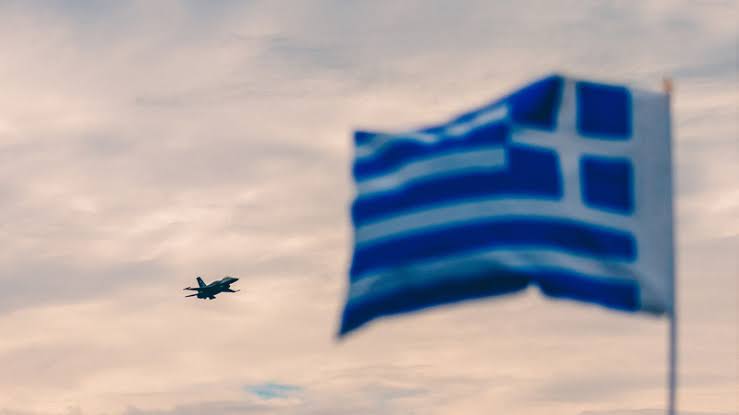
Athens is considering including a special provision in future state defense contracts aimed at excluding Turkiye from participating in arms and military equipment procurements. The initiative, already dubbed the "Turkiye clause" in Greek and international media, is being discussed as part of the preparation of a new defense procurement doctrine by the Greek Ministry of Defense.
The essence of the proposal is that suppliers of modern weaponry participating in tenders to supply the Hellenic Armed Forces must provide written guarantees that these systems will not be transferred or sold to Turkiye. If such guarantees are not provided, the Greek side intends to deny participation to those contractors. According to officials, this measure will protect Greece’s strategic interests and prevent situations where weapons supplied to Athens might end up in the hands of a potential adversary.
Sources emphasize that the decision comes amid escalating military-political tensions between Greece and Turkiye, who have long been in dispute over maritime borders, energy resources, and security in the Eastern Mediterranean. Greek officials have been particularly critical of Germany’s sale of Type 214 submarines to both countries, which they believe undermines the balance of power in the region.
According to Greek media, the document also requires at least 25% participation of Greek industry in each major defense project, aiming to stimulate the development of the national defense sector and reduce dependence on foreign suppliers.
Turkish officials have not yet commented on Athens’ procurement initiative, although Ankara has recently criticized Greece’s moves in military and energy sectors, including agreements with foreign companies on hydrocarbon exploration in disputed maritime areas.
Experts note that such a “clause” could complicate Turkiye’s participation in regional defense programs and further intensify the confrontation between the two NATO member states, who are formally allies but often clash in practice due to differing strategic interests.
Researcher and consultant,
Nicholas Georgiou


 Latest news
Latest news
Latest newsUS Ready to Lift Sanctions on Turkiye and Restore Its Participation in the F-35 Program
09.Jul.2026
Trump Announces Transfer of License to Ukraine for Patriot Interceptor Missile Production
09.Jul.2026
The NATO Summit in Ankara Marked a New Stage in the Alliance's Transformation
08.Jul.2026
The war in Ukraine - the “liberation of Novorossiya” is a mission impossible
07.Jul.2026
Ursula von der Leyen's Visits to Baku and Yerevan Signal Brussels' New Strategy
07.Jul.2026
Putin's Approval Ratings Decline as Russians Grow Increasingly Concerned About the Economy and the War
06.Jul.2026
Erdogan and Radev Discuss Black Sea Security and Defense Cooperation
06.Jul.2026
OPEC+ Accelerates Output Recovery as Kazakhstan Increases Oil Production from August
05.Jul.2026
Georgia and Uzbekistan Elevate Relations to Strategic Partnership
05.Jul.2026
Iran Turns Khamenei Funeral into a Show of Strength as Week-Long National Mourning Begins
04.Jul.2026