
 14 Jul 2026









Easter Truce Without Peace: Why the Initiative of Vladimir Putin and Volodymyr Zelenskyy Failed to Halt Hostilities
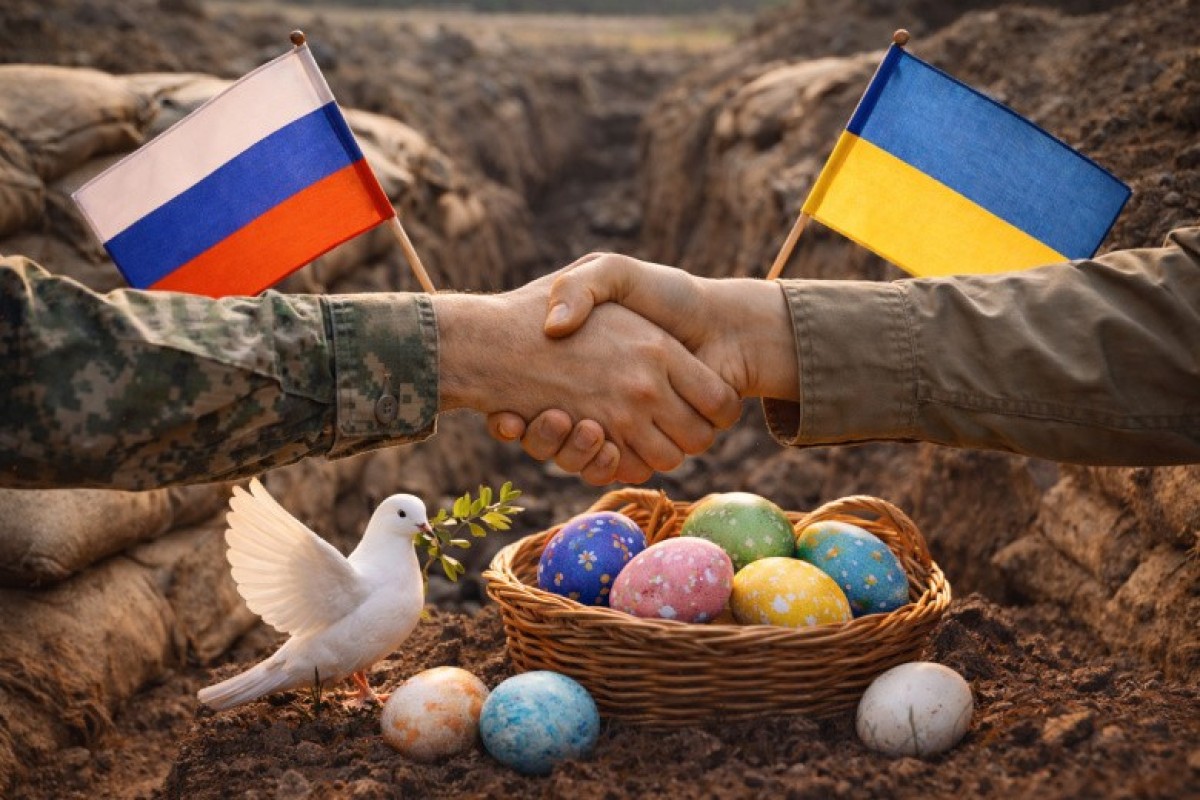
The
Easter truce, announced by Russian President Vladimir
Putin and supported by Ukrainian President Volodymyr Zelenskyy, was a rare attempt to
temporarily reduce the intensity of hostilities amid a protracted conflict.
However, like many previous initiatives, it proved short-lived and failed to
lead to a sustainable ceasefire.
The agreement, which was intended to last approximately 32
hours, was meant to symbolize a humanitarian pause during one of the most
important Christian holidays — Easter. It
was expected that the parties would refrain from active combat operations,
which could at least partially ease tensions along the front line and alleviate
the situation for civilians. Nevertheless, it became clear within the first
hours that the arrangements were largely declarative in nature.
Both sides almost immediately began accusing each other of
numerous violations of the ceasefire. Reports included ongoing artillery
shelling, the use of unmanned aerial vehicles, and localized offensive actions.
According to the Ukrainian side, there were thousands of such incidents,
including hundreds of combat engagements and large-scale drone strikes.
 Zelenskyy
pledged to observe the Easter truce on a reciprocal basis
Zelenskyy
pledged to observe the Easter truce on a reciprocal basis
Despite a noticeable decrease in large-scale airstrikes,
this did not lead to any significant change in the overall situation. Active
fighting along the entire front line continued, indicating a deep level of
mistrust between the parties and the absence of effective mechanisms to monitor
compliance with the ceasefire.
The effective collapse of the Easter truce once again
demonstrated the limitations of such initiatives under the current
configuration of the conflict. The lack of clear guarantees, mutual commitments,
and independent monitoring makes even short-term pauses highly vulnerable. As a
result, attempts at humanitarian pauses quickly turn into instruments of
information confrontation, with each side seeking to place responsibility for
escalation on the other.
Thus, the situation remains tense, and the prospects for even temporary stabilization are uncertain. As long as the political and military objectives of the parties remain incompatible, such truces are likely to remain episodic and will not significantly influence the course of the conflict.


 Latest news
Latest news
Latest newsUS Ready to Lift Sanctions on Turkiye and Restore Its Participation in the F-35 Program
09.Jul.2026
Trump Announces Transfer of License to Ukraine for Patriot Interceptor Missile Production
09.Jul.2026
The NATO Summit in Ankara Marked a New Stage in the Alliance's Transformation
08.Jul.2026
The war in Ukraine - the “liberation of Novorossiya” is a mission impossible
07.Jul.2026
Ursula von der Leyen's Visits to Baku and Yerevan Signal Brussels' New Strategy
07.Jul.2026
Putin's Approval Ratings Decline as Russians Grow Increasingly Concerned About the Economy and the War
06.Jul.2026
Erdogan and Radev Discuss Black Sea Security and Defense Cooperation
06.Jul.2026
OPEC+ Accelerates Output Recovery as Kazakhstan Increases Oil Production from August
05.Jul.2026
Georgia and Uzbekistan Elevate Relations to Strategic Partnership
05.Jul.2026
Iran Turns Khamenei Funeral into a Show of Strength as Week-Long National Mourning Begins
04.Jul.2026