
 20 Sep 2026









The U.S. Fully Halts Iran’s Maritime Trade Amid Expectations of New Talks
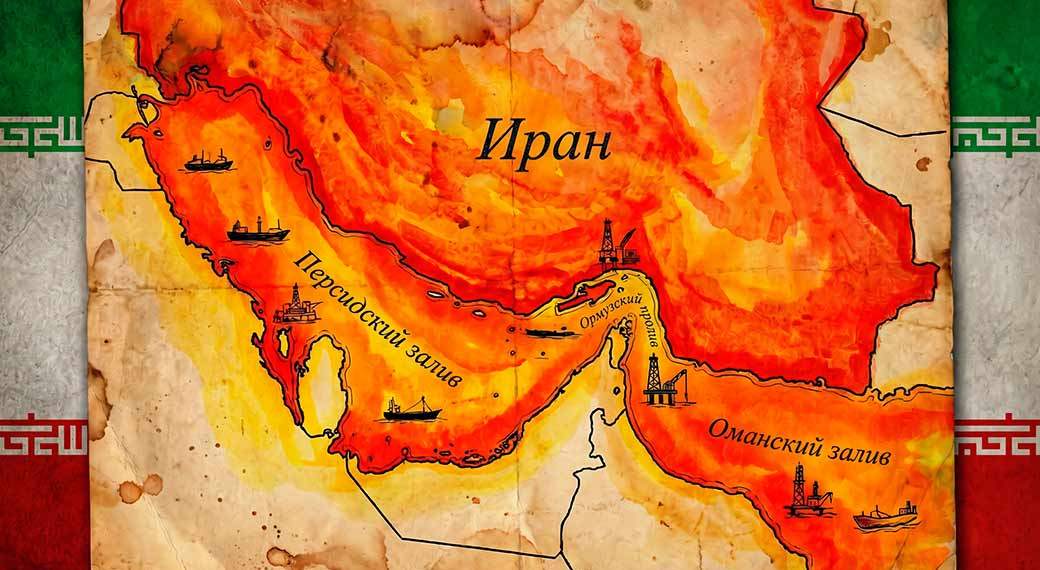
The United States has announced the effective cessation of all of Iran’s maritime trade, despite ongoing diplomatic optimism regarding the possible resumption of negotiations between the parties.
According to U.S. officials, a naval operation has resulted in a complete blockade of shipping linked to Iranian ports. The restrictions apply to all vessels heading to or departing from Iran, effectively paralyzing the country’s key export flows, primarily oil.
U.S. President Donald Trump stated that the conflict with Iran is “close to over” and expressed hope that negotiations could resume in the coming days. At the same time, Washington is increasing economic pressure and considering additional sanctions against buyers of Iranian oil.
Previous talks between the United States and Iran, held in Pakistan, ended without results due to disagreements over a key issue — Iran’s nuclear program. The U.S. side insists on a long-term suspension, while Tehran proposes shorter-term limitations.
Despite diplomatic efforts, tensions in the region remain high. The maritime blockade has already significantly impacted the global energy market: oil supplies are shrinking, while prices remain elevated amid restricted shipping through the Strait of Hormuz, one of the world’s most critical energy trade routes.
At the same time, diplomatic efforts to de-escalate continue. A senior representative from Pakistan has arrived in Tehran for mediation, and the parties are considering a new round of negotiations.
Military sources report that in the first days of the operation, several vessels were forced to change course or abandon plans to dock at Iranian ports, demonstrating the effectiveness of the measures. Experts note that further developments will depend on the willingness of the parties to compromise: if the blockade persists, the risk of a prolonged conflict and further destabilization of global energy markets will increase.


 Latest news
Latest news
Latest newsUS Sanctions Target Russias Main Pillar as Moscow Faces New Pressure on Oil Revenues
19.Sep.2026
Russia Begins State Duma Elections Amid War in Ukraine
18.Sep.2026
Bulgaria Strengthens Protection of Strategic Infrastructure Against Drones and Other Threats
18.Sep.2026
Georgia and Enka: How the Namakhvani Dispute Could Affect the Investment Climate
17.Sep.2026
Una Aleksandra Bērziņa-Čerenkova: After Russia’s Invasion, Latvia Began Banning Russian-Language Media
17.Sep.2026
Rainer Saks: Russia сould lose its influence in Armenia, just as it did in the Baltics
16.Sep.2026
Russian Drones Violated Moldovan Airspace Twice During Zelenskys Trips
16.Sep.2026
Operation Vivaldi: Ukraine Reports Advances Near Lyman as Fighting Intensifies
16.Sep.2026
Kazakhstan and South Korea Elevate Ties to Comprehensive Strategic Partnership
16.Sep.2026
Armenia Energy Diversification: Testing the Limits of Dependence on Russian Gas
15.Sep.2026
Tbilisi Distances Itself from Brussels as Kobakhidze Intensifies Criticism of European Policy
14.Sep.2026
Russia Fuel Crisis Gives the US a New Diplomatic Leverage Tool
14.Sep.2026
Trump Calls on Zelenskyy to Stop Strikes on Russian Oil Infrastructure
13.Sep.2026
Ukraine Expands Pressure on Russia’s Shadow Fleet: Moscow’s Oil Logistics Under Threat
13.Sep.2026
The Riga Conference: Europe Prepares for Long-Term Confrontation with Russia and Reshapes Its Security Architecture
12.Sep.2026