
 13 May 2026









Russian Airports Operating Under Restrictions Amid Security Threats
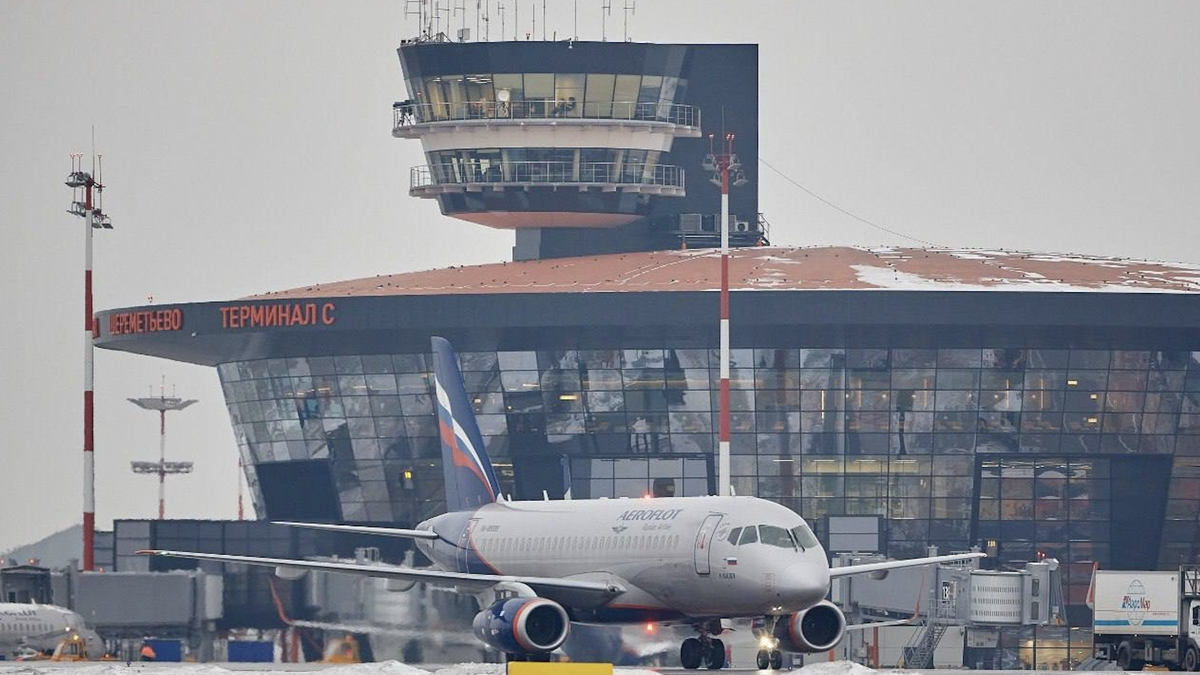
During
the night of May 13, several regions across Russia introduced temporary
restrictions on airport operations amid reports of potential drone attacks and
heightened security measures. According to Russian aviation authorities, the
restrictions affected a number of airports in Central Russia as well as in the
country’s southern regions. Such measures are typically implemented to ensure
flight safety and prevent possible incidents in Russian airspace.
Particular attention has once again shifted to southern
Russia and the Krasnodar region, which remains one of the most vulnerable areas
in terms of air security. Previously, southern regions experienced major
disruptions to aviation infrastructure following drone attacks targeting air
navigation and energy facilities. Earlier in May, operations were temporarily
suspended at 13 airports across southern Russia after strikes on air traffic
control infrastructure, including airports in Krasnodar, Sochi, Grozny,
Makhachkala, and Mineralnye Vody.
Against this backdrop, Russian authorities continue strengthening
security measures around strategic infrastructure. In recent months, the
Krasnodar region has repeatedly appeared in reports concerning drone attacks.
The region plays a critical role in logistics, petroleum exports, and the
functioning of transport corridors across the Black Sea. Additional pressure on
infrastructure has also come from continued attacks on oil industry facilities,
particularly near Tuapse, where major fires and disruptions at terminals had
previously been reported.
Experts note that repeated restrictions on
air traffic are becoming one of the indicators of the prolonged nature of the
conflict. Even short-term airport closures affect domestic transportation, the
tourism sector, and business activity. Throughout 2025–2026, Russia’s aviation
system has already faced a series of major disruptions caused by drone threats,
leading to delays of hundreds of flights and significant logistical challenges.
At present, Russian authorities state that the situation
remains under control and that all services are operating under an enhanced
security regime. Nevertheless, the ongoing developments demonstrate that the
protection of airspace and critical infrastructure remains one of Russia’s key
challenges amid the continuing conflict.


 Latest news
Latest news
Latest newsTrump Threatens Iran, Tehran Mobilizes Forces: Risk of Conflict in the Strait of Hormuz Increases
11.May.2026
Ankara and Yerevan Begin Restoring the Ani Bridge Amid Warming Relations
10.May.2026
Less Equipment, More Signals: The Scaled-Down 2026 Victory Parade
09.May.2026
Zelensky Responds to Moscow with Irony Amid Three-Day Ceasefire
09.May.2026
Russia and Ukraine Exchange Accusations After Ceasefire Announcement
08.May.2026
Russian Drones Violate Latvian Airspace: Incident Raises Tensions Along NATO’s Borders
07.May.2026
Shadows of Drones Over Moscow: Threats Around May 9 Increase the Risk of Escalation
06.May.2026
Kazakhstan Sets a New Population Record: Over 20.5 Million People
04.May.2026
Armenia in Europe’s Spotlight: Yerevan Hosts Leaders from Across the Continent
04.May.2026
Ukraine Eyes Japanese Arms After Tokyo Eases Export Rules
03.May.2026