
 14 Jul 2026









Trump Threatens Iran, Tehran Mobilizes Forces: Risk of Conflict in the Strait of Hormuz Increases
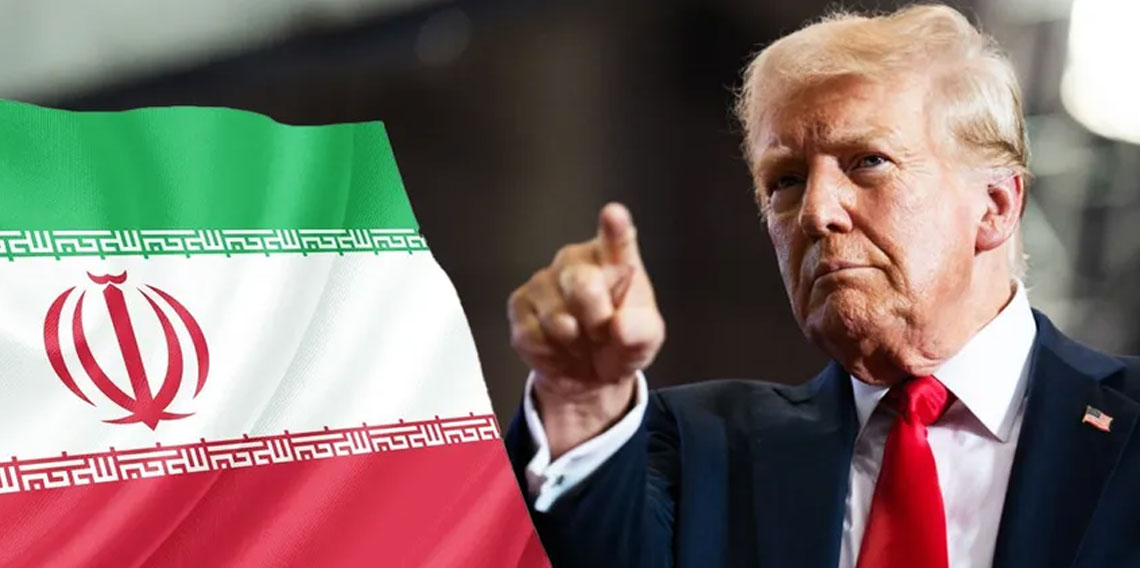
Donald Trump has once again escalated rhetoric toward Iran,
stating on the Truth Social platform that “Iran has been playing games, but now
it won’t be laughing”. According to the U.S. President, the Islamic Republic
has manipulated the international community and the United States for 47 years,
but Washington is now prepared to act decisively.
Trump emphasized that the previous administration under
Barack Obama “gave Iran hundreds of billions of dollars”, including $1.7
billion in cash, which allowed Tehran to strengthen its position. In his view,
the current U.S. strategy aims to fully halt Iran’s nuclear program and ensure
freedom of navigation through the Strait of Hormuz.
U.S. Secretary of Energy Chris Wright clarified that
negotiations with Iran are proceeding slowly and may not cover all nuclear
issues, but Washington expects to achieve results and is considering possible
involvement of the IAEA in monitoring the removal of nuclear materials. In the
event of diplomatic failure, the U.S. is prepared to return to military
measures to secure navigation.
On the other hand, Tehran is demonstrating readiness for
active defense. Iran’s Supreme Leader Mojtaba Khamenei has issued new
directives to deter the country’s adversaries, while Commander of the Central
Staff of the Khatam al-Anbiya Forces, Ali Abdollahi, declared the army’s full
loyalty and readiness to repel any aggressive actions.
Iranian military officials have announced “unexpected
options” for counteraction, including new technology and warfare methods, while
emphasizing control over the Strait of Hormuz, calling it “forever belonging to
the Iranian nation”. The Islamic Revolutionary Guard Corps has stated it is
ready to strike U.S. assets and vessels if attacks are carried out against
Iranian tankers.
According to
analysts, the threat of a closure of the Strait of Hormuz could trigger a rise
in oil prices and create a crisis in global energy markets. Iran, in turn, is
showcasing modernization of its forces and hidden capabilities in submarines
and drones, complicating predictions of a potential conflict. The U.S.,
meanwhile, is demonstrating readiness to employ both diplomatic and military
pressure, while Tehran is strengthening internal mobilization and positioning
itself as a “superpower”.
Experts note that if the current rhetoric and military activity continue, both sides risk an escalation in the Strait of Hormuz, which would affect global energy supplies and geopolitical stability in the region.


 Latest news
Latest news
Latest newsUS Ready to Lift Sanctions on Turkiye and Restore Its Participation in the F-35 Program
09.Jul.2026
Trump Announces Transfer of License to Ukraine for Patriot Interceptor Missile Production
09.Jul.2026
The NATO Summit in Ankara Marked a New Stage in the Alliance's Transformation
08.Jul.2026
The war in Ukraine - the “liberation of Novorossiya” is a mission impossible
07.Jul.2026
Ursula von der Leyen's Visits to Baku and Yerevan Signal Brussels' New Strategy
07.Jul.2026
Putin's Approval Ratings Decline as Russians Grow Increasingly Concerned About the Economy and the War
06.Jul.2026
Erdogan and Radev Discuss Black Sea Security and Defense Cooperation
06.Jul.2026
OPEC+ Accelerates Output Recovery as Kazakhstan Increases Oil Production from August
05.Jul.2026
Georgia and Uzbekistan Elevate Relations to Strategic Partnership
05.Jul.2026
Iran Turns Khamenei Funeral into a Show of Strength as Week-Long National Mourning Begins
04.Jul.2026