
 14 Jul 2026









Kazakhstan locks down several towns after spike in COVID-19 cases
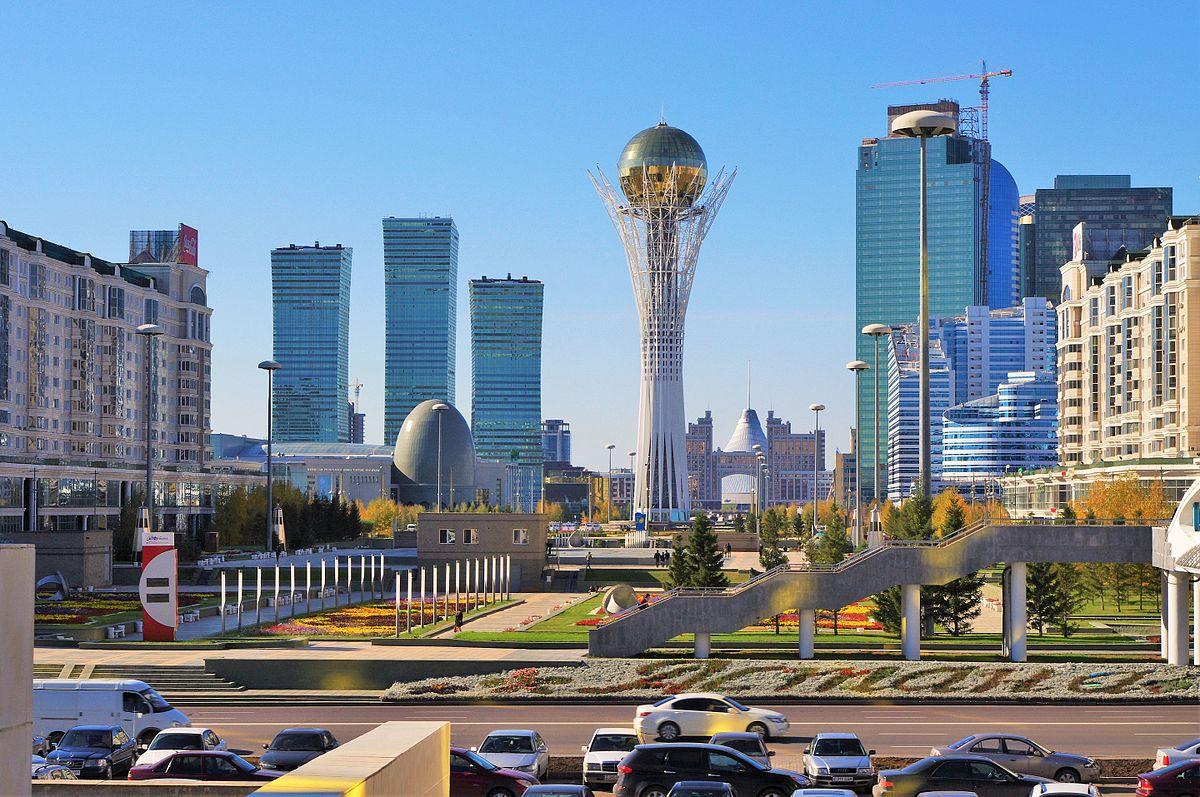
Kazakhstan has locked down several towns and villages and tightened restrictions in one of its provinces following a spike in fresh COVID-19 cases, authorities said on Thursday, a month after ending a nationwide state of emergency, according to Reuters.
In the central Karaganda region, retailers and public transit will work shorter hours and private cars will be banned from moving at night from June 13, the government said in a statement.
Several towns and villages will be locked down again and 70% of public sector employees in the province will work from home, it said, adding that many local residents and businesses were disregarding social distancing rules.
Earlier this month, the Central Asian nation tightened restrictions, although to a lesser extent, in two other provinces which had also reported high rates of fresh cases.
Kazakhstan, a former Soviet republic of 19 million people bordering China and Russia, has confirmed 13,558 COVID-19 cases with 67 deaths. It has also separately reported 2,529 asymptomatic cases.


 Latest news
Latest news
Latest newsUS Ready to Lift Sanctions on Turkiye and Restore Its Participation in the F-35 Program
09.Jul.2026
Trump Announces Transfer of License to Ukraine for Patriot Interceptor Missile Production
09.Jul.2026
The NATO Summit in Ankara Marked a New Stage in the Alliance's Transformation
08.Jul.2026
The war in Ukraine - the “liberation of Novorossiya” is a mission impossible
07.Jul.2026
Ursula von der Leyen's Visits to Baku and Yerevan Signal Brussels' New Strategy
07.Jul.2026
Putin's Approval Ratings Decline as Russians Grow Increasingly Concerned About the Economy and the War
06.Jul.2026
Erdogan and Radev Discuss Black Sea Security and Defense Cooperation
06.Jul.2026
OPEC+ Accelerates Output Recovery as Kazakhstan Increases Oil Production from August
05.Jul.2026
Georgia and Uzbekistan Elevate Relations to Strategic Partnership
05.Jul.2026
Iran Turns Khamenei Funeral into a Show of Strength as Week-Long National Mourning Begins
04.Jul.2026