
 14 Jul 2026









Russian nuclear-powered sub enters service amid arms control fears
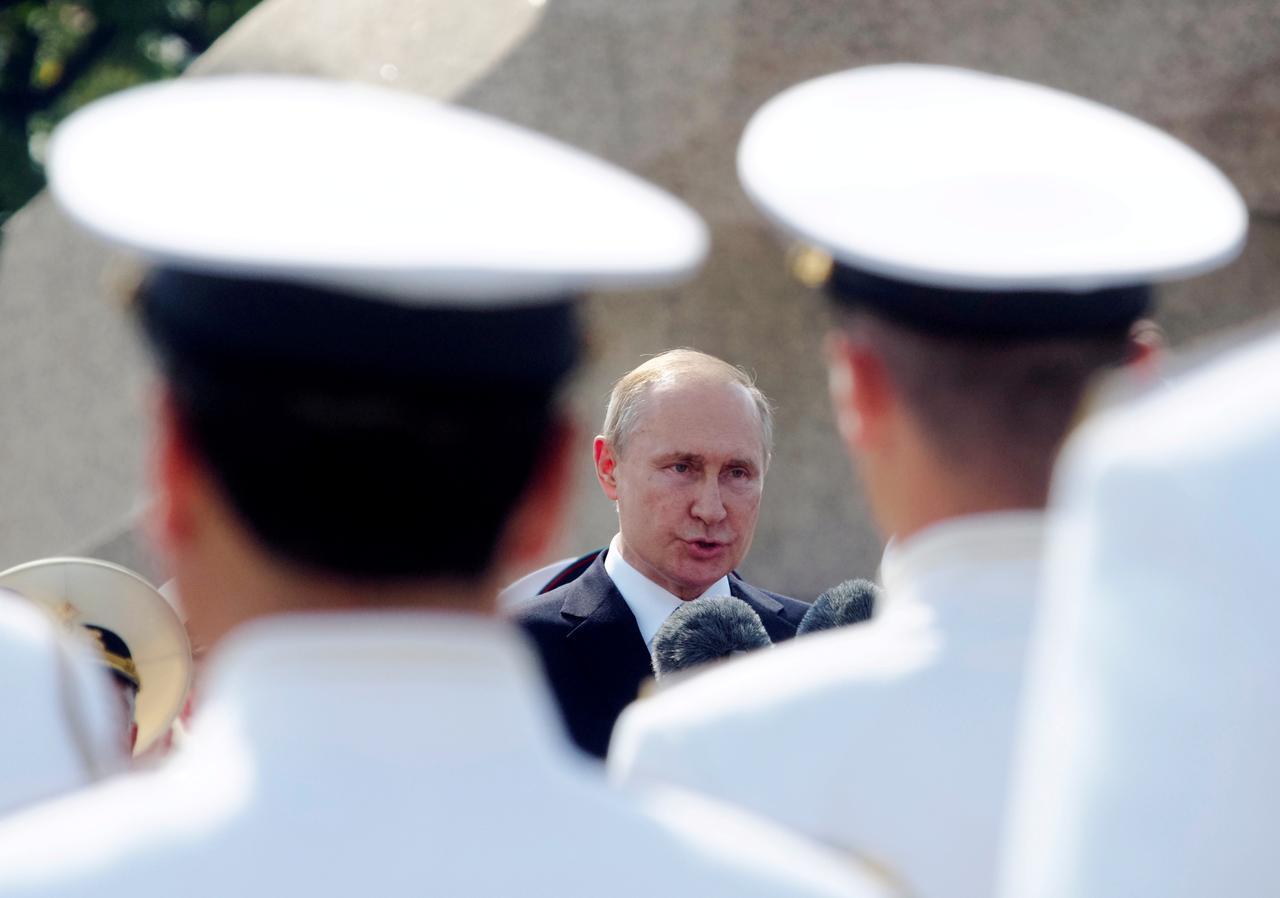
Russia’s most-advanced new nuclear-powered submarine entered service on Friday, the defence ministry said, at a time of growing arms control tensions between Moscow and the West, Reuters reports.
The Knyaz Vladimir (Prince Vladimir) - designed to carry Bulava intercontinental nuclear missiles - was enrolled into the navy during Friday’s Russia Day celebrations.
The announcement comes against the background of a rift with Western powers over Ukraine and fears of a burgeoning arms race following the demise of a landmark Cold War-era nuclear pact.
The Borei-A (Boreas) class submarine is named after a ruler of the medieval Kievan Rus, the territory in modern-day Ukraine from which the Russian state would later emerge.
The first upgraded 955A model to be produced in the Borei class is one of the centrepieces in President Valdimir Putin’s plans to upgrade the nuclear-powered fleet.
The Borei submarine project, started shortly after the fall of the Soviet Union, had long been plagued by shortages of cash and failures during tests of the Bulava missile.
The global arms control architecture erected during the Cold War to keep Washington and Moscow in check has come under strain since the demise of the Intermediate-Range Nuclear Forces Treaty.
In August last year, the United States pulled out of the accord that banned the deployment of short and intermediate range missiles, accusing Moscow of flouting it, something Russia denies.
The last major nuclear arms control treaty between Russia and the United States, the New START treaty, is due to expire in 2021. It limits the number of strategic nuclear warheads the world’s two biggest nuclear powers can deploy.


 Latest news
Latest news
Latest newsUS Ready to Lift Sanctions on Turkiye and Restore Its Participation in the F-35 Program
09.Jul.2026
Trump Announces Transfer of License to Ukraine for Patriot Interceptor Missile Production
09.Jul.2026
The NATO Summit in Ankara Marked a New Stage in the Alliance's Transformation
08.Jul.2026
The war in Ukraine - the “liberation of Novorossiya” is a mission impossible
07.Jul.2026
Ursula von der Leyen's Visits to Baku and Yerevan Signal Brussels' New Strategy
07.Jul.2026
Putin's Approval Ratings Decline as Russians Grow Increasingly Concerned About the Economy and the War
06.Jul.2026
Erdogan and Radev Discuss Black Sea Security and Defense Cooperation
06.Jul.2026
OPEC+ Accelerates Output Recovery as Kazakhstan Increases Oil Production from August
05.Jul.2026
Georgia and Uzbekistan Elevate Relations to Strategic Partnership
05.Jul.2026
Iran Turns Khamenei Funeral into a Show of Strength as Week-Long National Mourning Begins
04.Jul.2026