
 20 Sep 2026









- increase logistics costs;
- make it more difficult to secure vessels and insurance coverage;
- raise the risk of delays;
- require constant restructuring of routes and ownership arrangements.
Ukraine Expands Pressure on Russia’s Shadow Fleet: Moscow’s Oil Logistics Under Threat
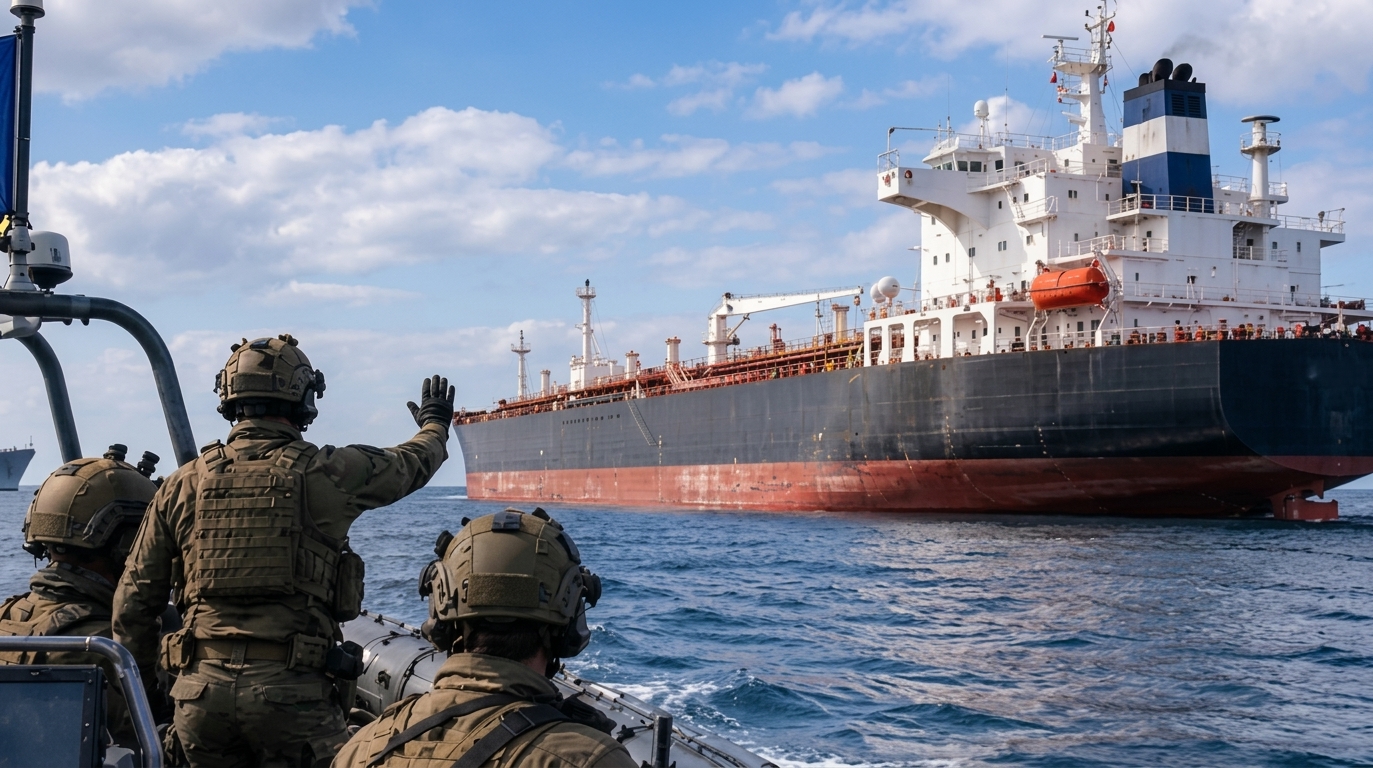
Ukraine is intensifying sanctions pressure on Russia’s system for circumventing international restrictions. Kyiv has imposed new sanctions on 20 vessels linked to Russia’s “shadow fleet”, as well as 29 individuals and 29 companies associated with Russia’s military-industrial complex and the state-owned Rostec corporation.
On September 13, Ukrainian President Volodymyr Zelenskyy enacted new sanctions decisions by the National Security and Defense Council of Ukraine. The restrictions target 20 maritime vessels, 29 individuals and 29 legal entities. Among the targets are entities linked to Russia’s military-industrial complex and Rostec, as well as individuals who, according to the Ukrainian side, contribute to Russia’s military system.
The vessels associated with Russia’s “shadow fleet” are particularly significant in the new package. This system is used by Moscow to maintain oil and petroleum product export flows despite Western sanctions and price restrictions. A significant share of these tankers operates through complex ownership structures, changes jurisdictions and flags, and relies on alternative insurance and servicing mechanisms.
According to Ukraine’s state-run War & Sanctions resource, more than 1,400 vessels are included in its list of ships associated with Russia’s “shadow fleet.” Kyiv says these tankers are used to transport sanctioned Russian oil, primarily to Asian markets, including China and India.
Thus, the new restrictions target not only individual vessels but also the infrastructure that enables Russia to maintain export revenues despite international restrictions.
Ukraine has repeatedly expanded sanctions pressure on Russia’s “shadow fleet”. In February, Kyiv imposed sanctions on 91 vessels that, according to the Ukrainian side, had been used to transport Russian oil and petroleum products from the ports of Novorossiysk, Ust-Luga and Primorsk to third countries in circumvention of EU and G7 sanctions. Some of these vessels were already subject to restrictions imposed by the United States, the United Kingdom, Switzerland and the European Union.
The new wave of sanctions comes amid growing Western attention to the issue of Russia’s “shadow fleet”. The United Kingdom is also continuing to expand restrictions on vessels linked to Russian oil exports. In September, Britain updated its sanctions list again, while London has previously stressed the need to restrict revenues from Russia’s oil and gas sector and target the activities of its “shadow fleet”.
Sanctions against tankers could create several problems for Moscow:
The issue is becoming even more significant against the backdrop of existing pressure on Russia’s oil industry. Reduced refining capacity, attacks on energy infrastructure and lower production forecasts are increasing the dependence of the Russian budget and economy on the ability to maintain export flows.
Under these conditions, the struggle over the “shadow fleet” is gradually becoming a separate front in the broader energy war. If restrictions targeting individual tankers become more closely coordinated between Ukraine, the United States, the United Kingdom and European countries, the room for circumventing oil sanctions could gradually narrow.
According to CCBS assessments, growing pressure on Russia’s “shadow fleet” is gradually turning maritime oil logistics into one of the key vulnerabilities of the Russian economy. Moscow still retains the ability to redirect export flows, but maintaining this system requires an increasingly complex and costly sanctions-evasion infrastructure.
The new sanctions campaign by Kyiv can therefore be viewed as an attempt to target both Russian financial resources and the mechanism that allows Moscow to turn oil exports into a source of funding for the state and its military system.


 Latest news
Latest news
Latest newsUS Sanctions Target Russias Main Pillar as Moscow Faces New Pressure on Oil Revenues
19.Sep.2026
Russia Begins State Duma Elections Amid War in Ukraine
18.Sep.2026
Bulgaria Strengthens Protection of Strategic Infrastructure Against Drones and Other Threats
18.Sep.2026
Georgia and Enka: How the Namakhvani Dispute Could Affect the Investment Climate
17.Sep.2026
Una Aleksandra Bērziņa-Čerenkova: After Russia’s Invasion, Latvia Began Banning Russian-Language Media
17.Sep.2026
Rainer Saks: Russia сould lose its influence in Armenia, just as it did in the Baltics
16.Sep.2026
Russian Drones Violated Moldovan Airspace Twice During Zelenskys Trips
16.Sep.2026
Operation Vivaldi: Ukraine Reports Advances Near Lyman as Fighting Intensifies
16.Sep.2026
Kazakhstan and South Korea Elevate Ties to Comprehensive Strategic Partnership
16.Sep.2026
Armenia Energy Diversification: Testing the Limits of Dependence on Russian Gas
15.Sep.2026
Tbilisi Distances Itself from Brussels as Kobakhidze Intensifies Criticism of European Policy
14.Sep.2026
Russia Fuel Crisis Gives the US a New Diplomatic Leverage Tool
14.Sep.2026
Trump Calls on Zelenskyy to Stop Strikes on Russian Oil Infrastructure
13.Sep.2026
Ukraine Expands Pressure on Russia’s Shadow Fleet: Moscow’s Oil Logistics Under Threat
13.Sep.2026
The Riga Conference: Europe Prepares for Long-Term Confrontation with Russia and Reshapes Its Security Architecture
12.Sep.2026