
 27 Nov 2026









Armenia Revises Its Constitution: Pashinyan Proposes a New Stage of State Development and a Peace Agenda
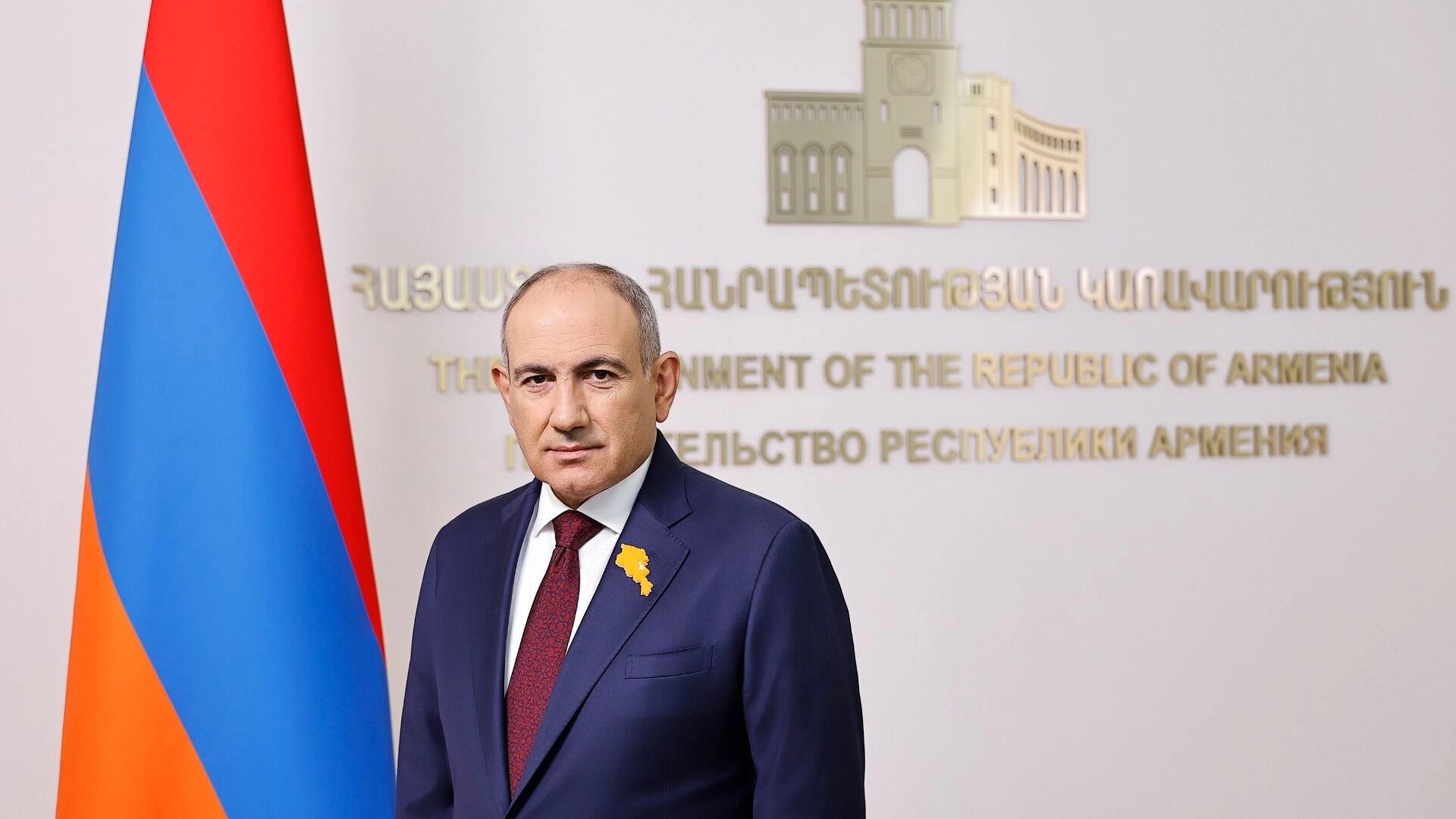
On November 23, 2026, Armenian
Prime Minister Nikol Pashinyan presented a draft of a new Constitution,
proposing revisions to the preamble and the removal of references to the
Declaration of Independence of August 23, 1990. The initiative forms part of
the government's broader strategy to strengthen state sovereignty, modernise
the political system and establish a long-term foundation for peaceful relations
with neighbouring countries, particularly Azerbaijan.
One of the most debated
provisions of the draft is the removal of the reference to the 1990 Declaration
of Independence from the Constitution's preamble. This issue has been at the
centre of discussions surrounding the Armenia-Azerbaijan peace process for
several years. Baku argues that certain provisions of the declaration could be
interpreted as territorial claims against Azerbaijan and has demanded their
removal as one of the conditions for the final signing of a peace agreement.
Yerevan, in turn, views
constitutional reform as an opportunity to redefine the country's development
priorities in light of contemporary political and geopolitical realities. The
proposed amendments are aimed at reinforcing the principles of independence,
territorial integrity, security and sustainable development. At the same time,
decisions concerning the future of the Constitution must be made within
Armenia's democratic institutions and with the participation of its citizens.
Presenting the draft, Nikol
Pashinyan emphasised the need to establish a constitutional framework oriented
towards a peaceful and secure future. According to the prime minister, updating
the country's fundamental law could create additional conditions for the
signing and ratification of a peace agreement with Azerbaijan while reducing
the risk of a return to confrontation in the region.
The constitutional reform is
particularly significant given the complex regional environment. Following decades
of confrontation, Armenia is seeking to diversify its foreign policy and
economic relations, strengthen its national security institutions and expand
cooperation with European and other international partners. In this context,
the new Constitution is viewed by the government as one of the instruments for
transitioning towards a more sustainable model of statehood.
Nevertheless, the initiative
has sparked considerable debate within Armenia. Some opposition forces regard
the removal of the reference to the Declaration of Independence as a concession
to Baku's demands and oppose changes to the country's constitutional
foundations. Supporters of the reform, however, argue that Armenia's historical
heritage and national identity should not become obstacles to building a secure
future and developing relations with neighbouring countries.
The draft must undergo the
necessary parliamentary procedures before being submitted to a nationwide
referendum. Its referral to a referendum requires approval by the National Assembly.
Consequently, the final decision on constitutional changes will rest with
Armenia's political institutions and, ultimately, its citizens.
Pashinyan stated that he would
resign within a week if the draft were rejected in a referendum. He also indicated
his intention not to seek another term in the 2031 parliamentary elections if
the new Constitution is adopted. These statements demonstrate that the
government considers the reform one of the central political projects of its
current agenda.
A further important factor is
Azerbaijan's position. Baku links the final signing of a peace agreement to
amendments to Armenia's constitutional provisions and the removal of what the
Azerbaijani side considers territorial claims. However, sustainable peace requires
not only the fulfilment of one party's demands but also the establishment of
mutual security guarantees and respect for the sovereignty and territorial
integrity of both states.
It should be recalled that on
August 8, 2025, Armenia and Azerbaijan initialled the text of an agreement on
the establishment of peace and interstate relations in Washington, under US
mediation. This marked an important diplomatic milestone after decades of
conflict. However, moving from the initialling of the document to its formal
signing and subsequent ratification requires further political and legal steps.
The main challenge for Yerevan
is to reconcile its pursuit of sustainable peace with the preservation of
national sovereignty, democratic principles and its ability to make independent
decisions about the country's future.


 Latest news
Bulgaria Strengthens Its Air Defence: Sofia to Acquire Five Additional IRIS-T SLM Systems for €925.9 Million
26.Nov.2026
Russian State Duma Approves Increase in Defence Spending for 2027: One in Every Three Rubles to Go Towards the War
25.Nov.2026
Armenia Revises Its Constitution: Pashinyan Proposes a New Stage of State Development and a Peace Agenda
25.Nov.2026
EU Presents 22nd Sanctions Package Against Russia: Restrictions to Target Banks, Shadow Fleet and Participation in European Sports
24.Nov.2026
Two Commercial Vessels Attacked in the Black Sea off Bulgaria
23.Nov.2026
EU Allocates Another €1 Billion to Ukraine: European Military Support Takes on a Long-Term Dimension
22.Nov.2026
Europe Prepares a Military Mission for Ukraine: 2800 Troops Rehearse Post-War Deployment Scenarios
21.Nov.2026
Russian Missiles and a Drone Fall on Polish Territory: NATO Faces New Threats on Its Eastern Flank
21.Nov.2026
Russia Strikes Kyiv Bridges Following Ukraine’s Attack on the Crimean Bridge: Transport Infrastructure Becomes a New Front in the Escalation
20.Nov.2026
The "Coalition of the Willing" Discusses Security Guarantees and Continued Support for Kyiv
19.Nov.2026
Tanker Sinks off Bulgaria After Being Hit Four Times: All 19 Crew Members Rescued
18.Nov.2026
Europe Accelerates Defence Integration: EU Identifies 8 Priorities for Joint Weapons Development
17.Nov.2026
Bulgaria and North Macedonia Plan to Begin Construction of New Border Crossing in October 2027
17.Nov.2026
Central Asia Accelerates Digitalisation of the Trans-Caspian Transport Corridor
16.Nov.2026
Bulgaria, Romania and Turkiye Deploy Naval Assets in BETUL 8 Rescue Operation
16.Nov.2026