
 14 Oct 2026









Gas exploration in Black Sea to cover 10,000 square kilometers
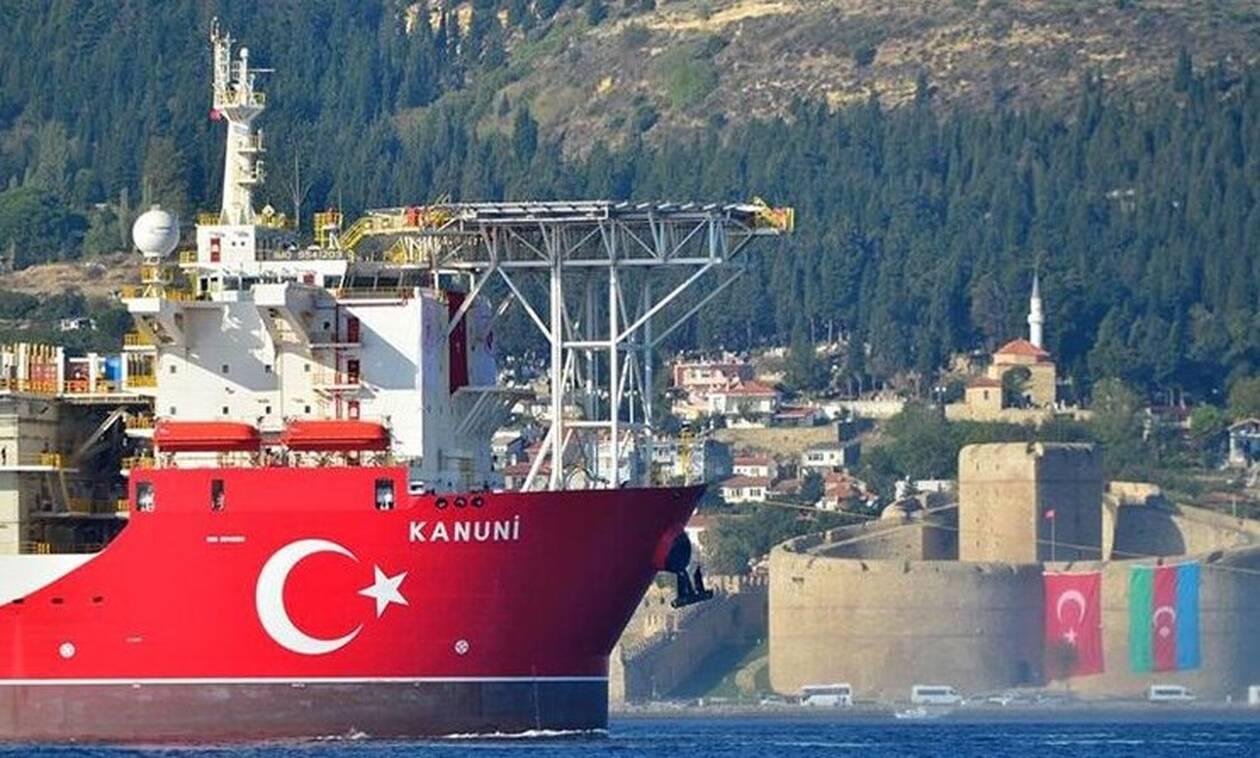
Seismic analysis activities will be conducted in a 10,000-square-meter area in the Black Sea for new natural gas discoveries, Energy Minister Fatih Dönmez told a group of journalists on March 3, Hurriyet Daily News reports. “We are aiming to drill a new exploratory well in one of the gas fields that is deemed to have potential,” Dönmez said.
Deepwater seismic explorations for hydrocarbon resources in an area of 250 square kilometers in Turkey’s Black Sea maritime zone have been completed, he added.
“The 3D seismic exploration activities are currently underway,” he said, adding that the upward or downward revisions for the previously announced 405 billion cubic meters of natural gas reserve in the Sakarya Gas Field were possible.
Kanuni to set sail in April
Turkey’s first national drillship, Fatih, discovered the country’s largest natural gas find last year. It also marked the biggest offshore gas discovery worldwide in 2020.
Natural gas from the newly opened Tuna-1 well, which is located about 170 kilometers off the Zonguldak coast, will be brought ashore by the state-run Turkish Petroleum Corporation (TPAO).
“We will drill another 30 to 40 wells in the Sakarya Gas Field. We will bring the gas ashore with at least two pipelines,” Dönmez said.
The Fatih drillship continued drilling appraisal wells in the region, the first of which was completed at the Türkali-1 in January. The drillship is currently working on the second well, the Türkali-2, in water depths over 3,000 meters.
Turkey’s third drillship, Kanuni, will join drilling activities next month after completing its preparations at the Filyos Port, the minister said.
After joining the Turkish Energy Ministry’s fleet, Kanuni departed Istanbul toward the Black Sea in November 2020.
The country’s second drillship, Yavuz, has been conducting exploration activities in the Mediterranean in cooperation with seismic vessels, including research vessel Oruç Reis.
Production to peak in 2028
The new pipelines will be connected to an onshore gas processing facility at Filyos Port in the northern province of Zonguldak, according to an environmental impact assessment application issued last month.
An industrial zone belonging to the Industry and Technology Ministry will be allocated to the use of TPAO, Dönmez said.
“We will bring the gas to the coastline by 2023,” he stated.
In the first phase of the project, starting from the first quarter of 2023, a total of 10 million cubic meters (mcm) of natural gas per day will be produced from six to 10 wells at the Sakarya Gas Field.
This production volume will be transferred via pipeline to Filyos, where it will be processed, ensuring that its gas pressure level conforms with that of Turkey’s Petroleum Pipeline Company (BOTAŞ).
BOTAŞ will then distribute the gas to its end users.
The facility will process around 3.5 bcm of natural gas from the Sakarya field annually to help meet Turkey’s natural gas consumption of 50 bcm per year.
Total daily field production from around 30 to 40 wells will reach 40 mcm during the second phase of the project from 2023 onwards.
The year 2028 will see the field entering its plateau phase when Turkey’s natural gas production will reach almost 15 bcm annually. This will allow the country to meet a substantial amount of its gas needs.
Currently, Turkey imports most of its gas needs from Russia, Azerbaijan, Iran via pipelines. Nearly a third of the country’s gas needs are met with liquefied natural gas (LNG) supplies, mainly from Qatar, Algeria, the United States and Nigeria.
In 2019, Turkey’s total gas import bill was around $12 billion.


 Latest news
Latest news
Latest newsInflation in Romania Accelerates to 6.61%: Rising Prices Increase Pressure on Households and the Economy
13.Oct.2026
Can Europe Protect the International Criminal Court from Trump’s Sanctions?
13.Oct.2026
Georgia’s Constitutional Court Continues Case on Banning Opposition Parties: Political Pluralism at Stake
12.Oct.2026
Azerbaijan and Iran Step Up Security Contacts Amid Hijab Protests
12.Oct.2026
Personnel Shortages Complicate Ukrainian Forces’ Rotation: Ukraine Faces Long-Term Challenges on the Front Line
11.Oct.2026
Trump Eases Sanctions on Russian Fuel After Talks with Putin: Kyiv Fears Boost to Moscow’s War Revenues
10.Oct.2026
Putin Seeks to Strengthen Russia’s Influence in the Post-Soviet Space Through the CIS
10.Oct.2026
Russia and the South Caucasus: External Pressure, Political Competition and a Crisis of Trust
10.Oct.2026
Peaceful Settlement Between Armenia and Azerbaijan: Moving from Declarations to Implementation
10.Oct.2026
Moldova Ready to Accept as Many Ukrainians as Necessary if Situation Worsens This Winter
09.Oct.2026
Turkmenistan Turns Avaza into a Regional Diplomatic Hub as Caspian, Central Asian and CIS Agendas Converge
08.Oct.2026
Romania Scrambles Spanish F-18s After Aerial Targets Detected Near Ukrainian Border
07.Oct.2026
Berlin Deepens Defence Partnership with Kyiv: Germany to Provide Ukraine with €1 Billion in Military Aid
07.Oct.2026
European Parliament Against Georgian Dream: EU Prepares New Response to Tbilisi
06.Oct.2026
Bulgarian Foreign Minister to Discuss European Security and International Law in the Netherlands
05.Oct.2026