
 20 Sep 2026









US Asks Russia to Explain ‘Provocations’ on Ukraine Border
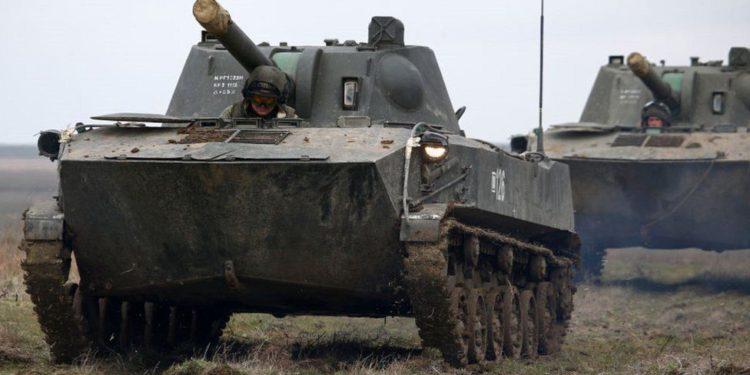
The United States, finding reports of Russian military movements on Ukraine’s border credible, has asked Moscow to explain the “provocations,” and is ready to engage in the situation, the US State Department said Monday.
“The reported Russian troop buildup and movements bordering eastern Ukraine have become the latest point of tension in icy US-Russian relations less than three months after US President Joe Biden took office,” reports Voanews.
State Department spokesman Ned Price told a news briefing that the United States would be concerned by any effort by Moscow to intimidate Ukraine, whether it occurred on Russian territory or within Ukraine.
“We call on Russia to refrain from escalatory actions,” the spokesperson said.
Earlier on Friday, in a phone call with Ukrainian counterpart Volodymyr Zelensky, US President Joe Biden affirmed the United States’ unwavering support for Ukraine’s sovereignty and territorial integrity in the face of Russia’s ongoing aggression in the Donbas and Crimea.
Russia on Monday denied that Russian military movements posed a threat to Ukraine and dismissed fears of a buildup, even as it warned that it would respond to new Ukrainian sanctions against Russian companies.
White House press secretary Jen Psaki told reporters that “recent escalations of Russian aggression and escalation in eastern Ukraine” are “something we’re watching closely.”
Biden’s call with Zelensky came after the transatlantic military alliance NATO voiced concern over Russian troop movements near the eastern Donbas region where Ukrainian troops are in conflict with Russian-backed forces.
By Ana Dumbadze


 Latest news
Latest news
Latest newsUS Sanctions Target Russias Main Pillar as Moscow Faces New Pressure on Oil Revenues
19.Sep.2026
Russia Begins State Duma Elections Amid War in Ukraine
18.Sep.2026
Bulgaria Strengthens Protection of Strategic Infrastructure Against Drones and Other Threats
18.Sep.2026
Georgia and Enka: How the Namakhvani Dispute Could Affect the Investment Climate
17.Sep.2026
Una Aleksandra Bērziņa-Čerenkova: After Russia’s Invasion, Latvia Began Banning Russian-Language Media
17.Sep.2026
Rainer Saks: Russia сould lose its influence in Armenia, just as it did in the Baltics
16.Sep.2026
Russian Drones Violated Moldovan Airspace Twice During Zelenskys Trips
16.Sep.2026
Operation Vivaldi: Ukraine Reports Advances Near Lyman as Fighting Intensifies
16.Sep.2026
Kazakhstan and South Korea Elevate Ties to Comprehensive Strategic Partnership
16.Sep.2026
Armenia Energy Diversification: Testing the Limits of Dependence on Russian Gas
15.Sep.2026
Tbilisi Distances Itself from Brussels as Kobakhidze Intensifies Criticism of European Policy
14.Sep.2026
Russia Fuel Crisis Gives the US a New Diplomatic Leverage Tool
14.Sep.2026
Trump Calls on Zelenskyy to Stop Strikes on Russian Oil Infrastructure
13.Sep.2026
Ukraine Expands Pressure on Russia’s Shadow Fleet: Moscow’s Oil Logistics Under Threat
13.Sep.2026
The Riga Conference: Europe Prepares for Long-Term Confrontation with Russia and Reshapes Its Security Architecture
12.Sep.2026