
 24 Jun 2026









Ukraine Accuses Russia of “Nuclear Terrorism” Over Strikes on Energy Infrastructure
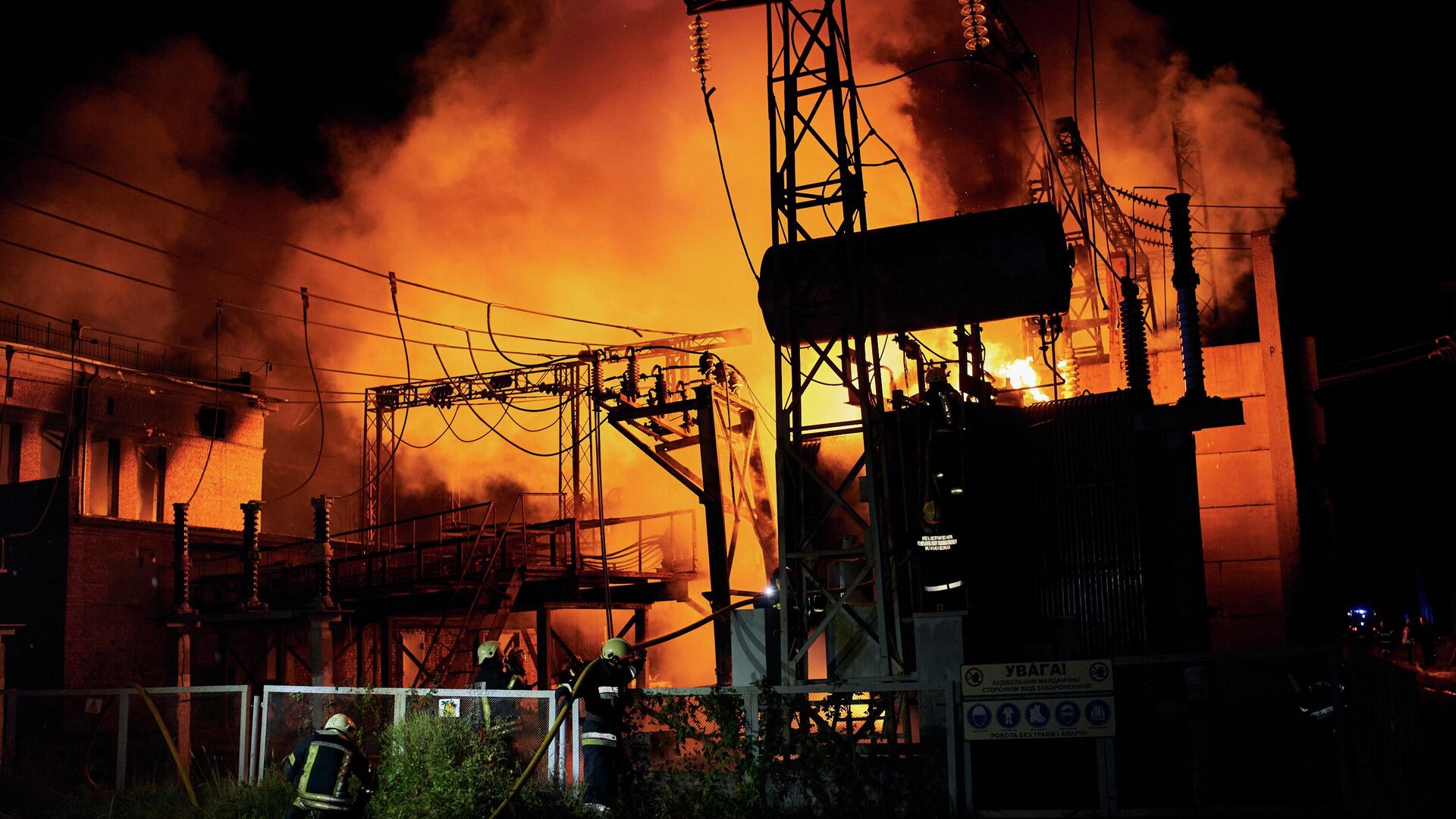
Ukraine has claimed that Russia’s massive strikes on the country’s energy infrastructure constitute an act of “nuclear terrorism”. According to Kyiv, the attacks targeted major substations and power hubs that ensure the operation of critical facilities, including those related to nuclear safety.
Ukrainian authorities emphasize that damage to such facilities creates a threat to the stability of the energy system and may lead to disruptions in the operation of nuclear power units, which, they say, “poses the risk of a continental-scale catastrophe”.
Similar concerns have previously been voiced by representatives of international organizations, who note that strikes on facilities connected to nuclear infrastructure violate the norms of international humanitarian law and can lead to unpredictable consequences.
Moscow, in turn, states that its targets are military and industrial-energy facilities supporting Ukraine’s defense infrastructure. Russian officials consistently deny accusations of striking civilian and critically dangerous sites.
Attacks on Ukraine’s energy system have increased since early autumn, which, according to analysts, may be part of a strategy to pressure the country ahead of the winter period.
The term “nuclear terrorism” is not only an accusation but also a long-term political and legal strategy. Ukraine aims to establish a norm equating strikes on energy infrastructure linked to nuclear power plants with the use of nuclear threats. Russia, for its part, relies on military-energy pressure and escalation control at a level that prevents the crisis from turning into a new Chernobyl.


 Latest news
Latest news
Latest newsUkraine’s Battlefield Experience Opens New Opportunities in Asia’s Drone Market
19.Jun.2026
Azerbaijan’s Oil Trap: Why the Economy Is Standing Still
18.Jun.2026
Motorcycle Noise Seen as Obstacle to Air Defense Operations in Crimea
17.Jun.2026
Rising Wages and Euro Integration: Bulgaria Enters a New Economic Era
17.Jun.2026
Armenia After June 7: Pashinyan Remains in Power, Moscow Unhappy
17.Jun.2026
$300 Billion Deal: Iran Poised to Receive the Largest Investment Package in Modern Middle Eastern History
16.Jun.2026
Infrastructure Pressure: Putin Acknowledges the Economic Impact of Ukrainian Attacks
15.Jun.2026
Kyiv and Moscow Trade Blame After Damage Reported at Kyiv Pechersk Lavra
15.Jun.2026
IMF Raises Georgia’s Economic Growth Forecast to 6.5% for 2026
15.Jun.2026
EU Opens the Door to Ukraine and Moldova as First Membership Talks Begin
14.Jun.2026