
 24 Jun 2026









Russia Bets on a “Drone Elite”: Students Lured into the Military with Lucrative Incentives
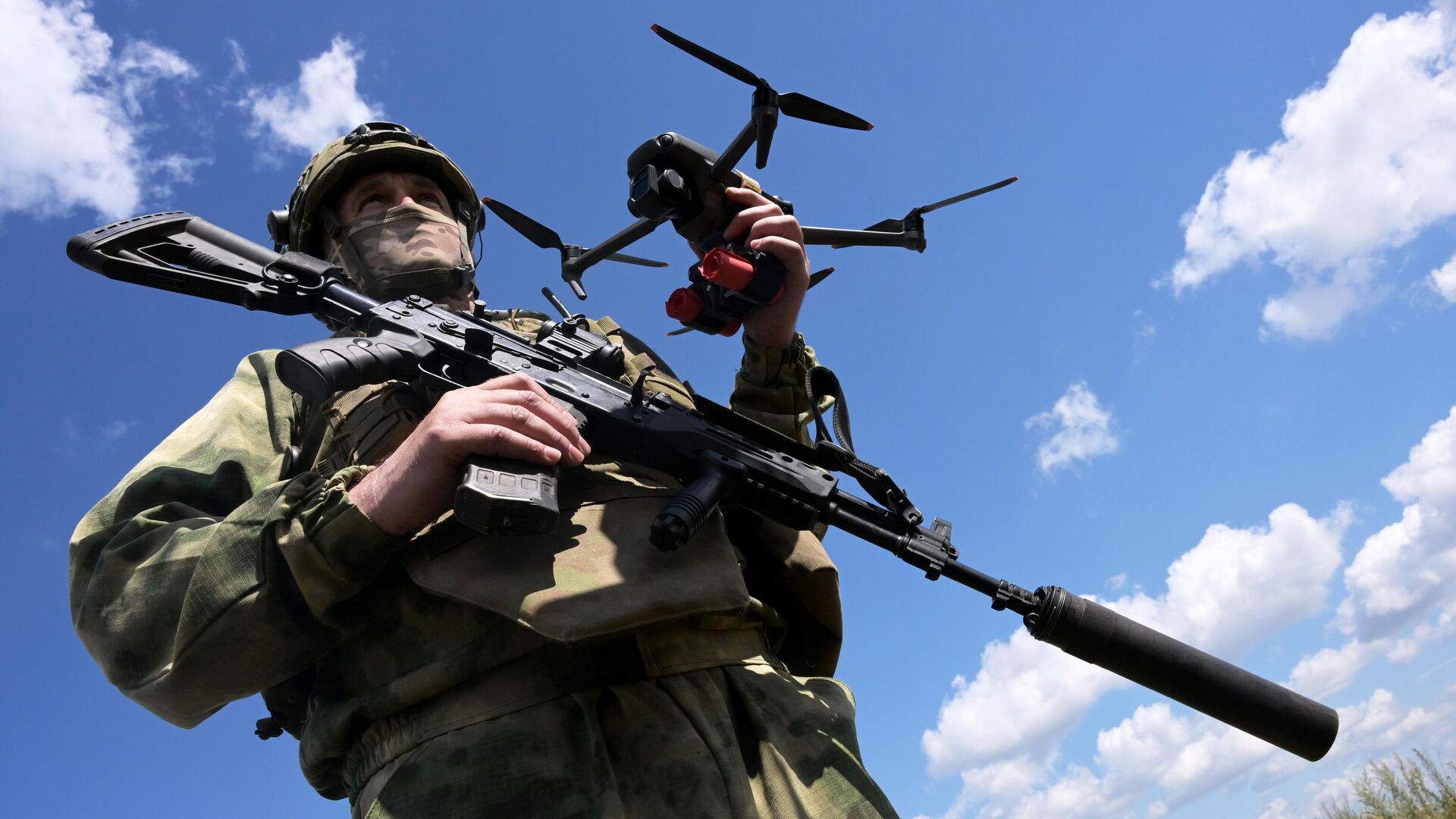
Russia
is intensifying its efforts to recruit young specialists into its unmanned
systems forces, offering students and technical professionals substantial
financial packages and educational benefits amid the protracted conflict in
Ukraine. According to Reuters, Russian universities and regional authorities
are participating in a large-scale campaign to enlist drone operators and
engineers, who are becoming a key component of modern warfare.
According to the report, students in engineering and
aviation fields are being offered one-year contracts with salaries reaching
tens of thousands of dollars, along with lump-sum payments, free education
after service, as well as academic leave and housing. At some universities, the
total compensation package can exceed $60,000–80,000 per year, significantly
higher than the average income in many Russian regions.
At the same time, this does not indicate a new wave of mass
mobilization. Authorities continue to rely on a contract-based recruitment
model, focusing on financial incentives and the targeted selection of qualified
personnel. Official data shows that more than 400,000 people signed military
contracts in 2025, and recruitment is continuing in 2026, allowing the Kremlin
to avoid politically sensitive decisions.

However, the expansion of recruitment specifically among
students points to a deeper transformation in Russia’s military strategy.
Unmanned systems are becoming central to combat operations, and drone operators
are emerging as a highly valued category of military personnel. Established in
2025, the unmanned systems forces already number in the tens of thousands and continue
to grow rapidly, reflecting the transition of warfare into a technological
phase in which FPV drones, reconnaissance systems, and autonomous platforms
play a decisive role.
Another factor is the nature of the war itself, which is
increasingly taking on the characteristics of a war of attrition, where not
only manpower but also technological superiority is crucial. According to
analysts, drones already account for a significant share of battlefield losses,
intensifying competition between the sides for skilled operators and engineers.
Against this backdrop, Russia’s
recruitment model combines market-based incentives with elements of
administrative pressure. In some regions, according to sources, companies are
assigned quotas for sending employees to the military, while universities are
drawn into recruitment campaigns. This creates a hybrid system in which
voluntariness is formally preserved but is effectively supplemented by
institutional mechanisms for mobilizing human resources.
In a broader context, these measures reflect Moscow’s attempt to avoid repeating the 2022 mass mobilization scenario while simultaneously improving the qualitative composition of its armed forces. The focus on students and young specialists suggests that future phases of the war will increasingly depend not on the size of infantry forces, but on the level of technological expertise and the effective use of unmanned platforms.


 Latest news
Latest news
Latest newsUkraine’s Battlefield Experience Opens New Opportunities in Asia’s Drone Market
19.Jun.2026
Azerbaijan’s Oil Trap: Why the Economy Is Standing Still
18.Jun.2026
Motorcycle Noise Seen as Obstacle to Air Defense Operations in Crimea
17.Jun.2026
Rising Wages and Euro Integration: Bulgaria Enters a New Economic Era
17.Jun.2026
Armenia After June 7: Pashinyan Remains in Power, Moscow Unhappy
17.Jun.2026
$300 Billion Deal: Iran Poised to Receive the Largest Investment Package in Modern Middle Eastern History
16.Jun.2026
Infrastructure Pressure: Putin Acknowledges the Economic Impact of Ukrainian Attacks
15.Jun.2026
Kyiv and Moscow Trade Blame After Damage Reported at Kyiv Pechersk Lavra
15.Jun.2026
IMF Raises Georgia’s Economic Growth Forecast to 6.5% for 2026
15.Jun.2026
EU Opens the Door to Ukraine and Moldova as First Membership Talks Begin
14.Jun.2026