
 24 Jun 2026









Kremlin announces “the most modern” nuclear triad
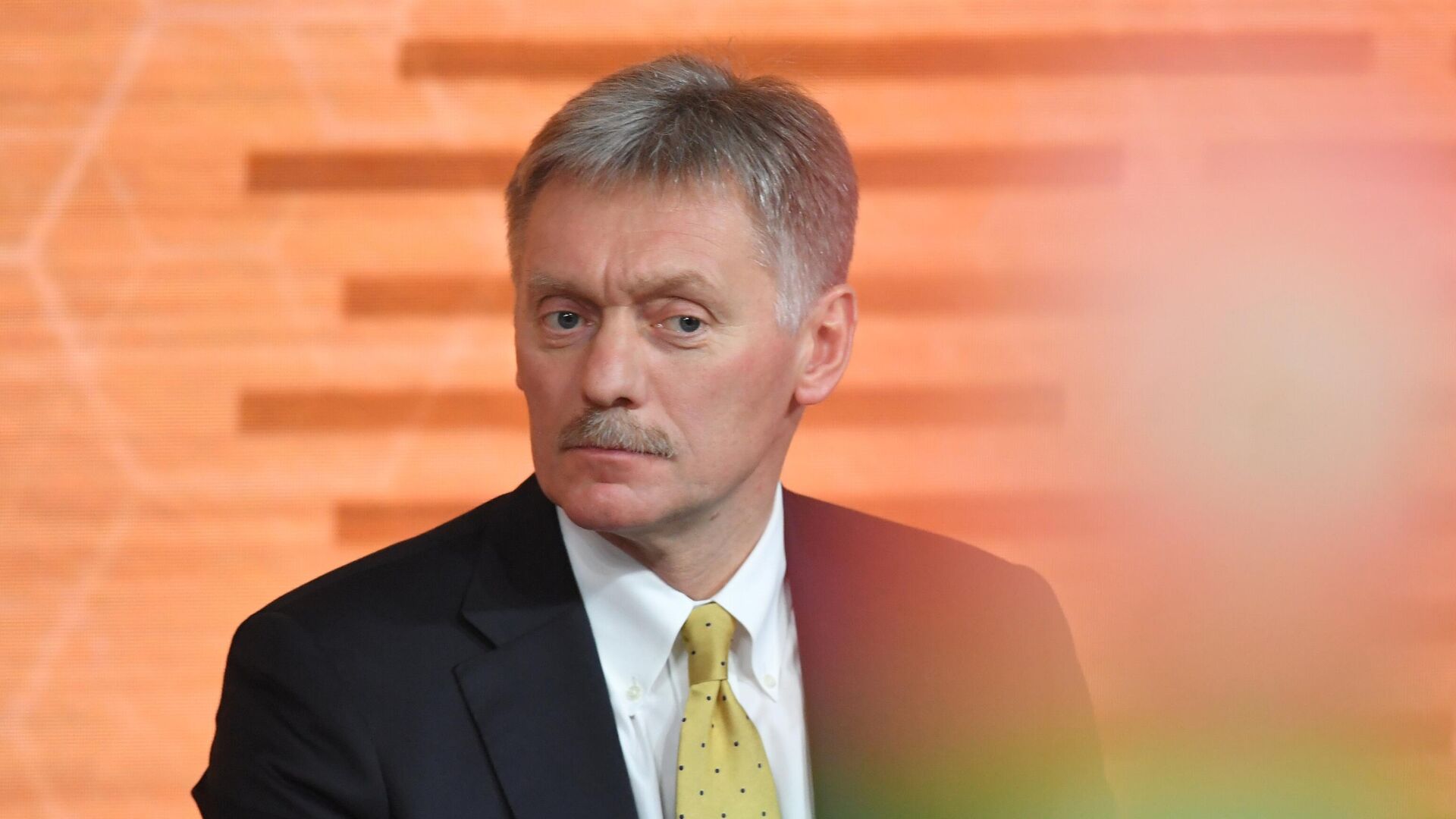
Kremlin spokesperson Dmitry Peskov stated that Russia’s nuclear triad is “practically the newest in the world”. According to Peskov, in recent years Russia has carried out large-scale modernization of its strategic forces, including land-based, naval, and air components. He emphasized that updating the nuclear arsenal is a key element in ensuring national security and strategic deterrence.
The Kremlin representative also noted that modernization will continue despite international pressure and sanctions, and that Russian defense programs “are being implemented strictly in accordance with the interests of the state’s security”.

The statement comes amid intensified global nuclear rhetoric, U.S. discussions on nuclear modernization programs, and increased attention to the issue of strategic balance among leading nuclear powers. It serves as a public reaffirmation of Russia’s course toward strengthening its strategic nuclear infrastructure in the context of growing geopolitical confrontation.

The message is directed at several audiences: domestically – to demonstrate technological self-sufficiency and military strength; internationally – as a signal to the U.S., NATO, and their allies that strategic balance is being preserved; and to BRICS partners and the Global South – as confirmation of Russia’s status as a nuclear superpower.
In combination with discussions regarding the possible resumption of nuclear testing and the modernization of missile systems, this statement forms a tougher strategic stance by Moscow. It reinforces a “Cold War 2.0” narrative, where nuclear capability again becomes a core element of international security, diplomatic channels between Russia and the West remain limited, and any statements about modernization are perceived as a tool of pressure.


 Latest news
Latest news
Latest newsUkraine’s Battlefield Experience Opens New Opportunities in Asia’s Drone Market
19.Jun.2026
Azerbaijan’s Oil Trap: Why the Economy Is Standing Still
18.Jun.2026
Motorcycle Noise Seen as Obstacle to Air Defense Operations in Crimea
17.Jun.2026
Rising Wages and Euro Integration: Bulgaria Enters a New Economic Era
17.Jun.2026
Armenia After June 7: Pashinyan Remains in Power, Moscow Unhappy
17.Jun.2026
$300 Billion Deal: Iran Poised to Receive the Largest Investment Package in Modern Middle Eastern History
16.Jun.2026
Infrastructure Pressure: Putin Acknowledges the Economic Impact of Ukrainian Attacks
15.Jun.2026
Kyiv and Moscow Trade Blame After Damage Reported at Kyiv Pechersk Lavra
15.Jun.2026
IMF Raises Georgia’s Economic Growth Forecast to 6.5% for 2026
15.Jun.2026
EU Opens the Door to Ukraine and Moldova as First Membership Talks Begin
14.Jun.2026