
 24 Jun 2026









- Technical malfunction – despite upgrades, many C-130 aircraft have been in service for over 30 years; an engine or control system failure is possible.
- Adverse weather conditions – eastern Georgia in November is characterized by strong winds and fog in the mountainous areas of Kakheti.
- Navigation error or overloading – flying over hilly terrain at low altitude increases the risk of fatal mistakes during descent.
- Strengthening regional military cooperation: Despite the tragedy, Ankara and Baku are likely to deepen coordination with Tbilisi in security matters. Discussions are already underway about creating a trilateral emergency response center.
- A symbolic blow to NATO’s image: Turkish military operations in Georgia are part of NATO’s partnership framework. The loss of the aircraft may raise questions about safety standards among allies.
- Domestic political factor in Georgia: The opposition may use the incident to criticize the government, accusing it of “over-dependence on Ankara and Baku”.
- Formation of a joint investigation commission (Turkey, Georgia, Azerbaijan);
- A state memorial ceremony in Ankara honoring the fallen servicemen;
- Possible temporary restrictions on military flights through Georgian airspace pending the investigation.
Crash of Turkish Military Aircraft in Georgia: Details of the Tragedy
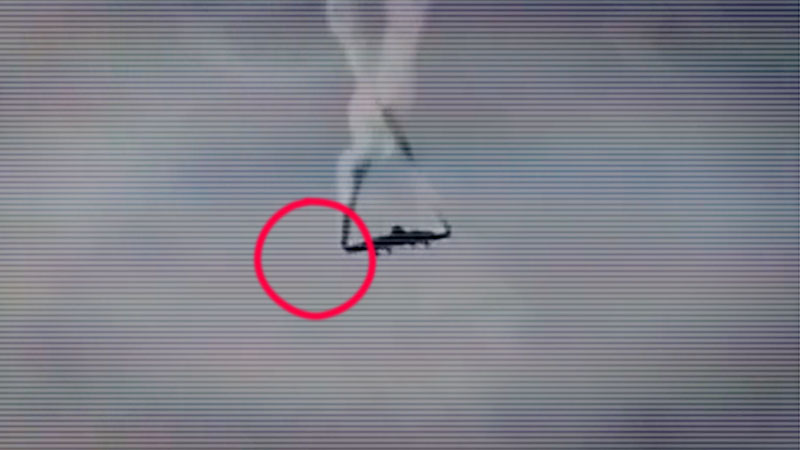
On November 11, 2025, a Turkish Air Force C-130 Hercules military transport aircraft crashed in eastern Georgia, in the Sighnaghi municipality (Kakheti region). The plane was flying from Azerbaijan to Turkey when, according to preliminary data, it lost contact with air traffic controllers. There were about 20 people on board – military personnel and technical staff. A fire that broke out after the crash was extinguished by Georgian rescuers; however, all those on board are presumed dead.
The investigation has not officially identified the cause, but experts name three most likely scenarios:
According to Georgian media, the plane may have been flying at a low altitude, performing a technical approach for refueling or route inspection.
President Recep Tayyip Erdogan called the incident a “national tragedy” and promised a comprehensive investigation. The Turkish Ministry of Defense has sent a military commission to Georgia to coordinate recovery efforts and the repatriation of the victims. Politically, Ankara seeks to avoid publicly blaming Georgian services, emphasizing that “the crash occurred during an allied mission”.
Prime Minister Irakli Kobakhidze stated that Georgia “will provide full assistance to its Turkish and Azerbaijani partners”. Georgian authorities have opened a criminal case for violation of air transport regulations but stress there are no signs of external interference. The incident has become a diplomatic test for Georgia, positioned between its allied commitments to Turkey and Azerbaijan and its desire to maintain neutrality in regional security matters.
Baku officially confirmed that the aircraft departed from Ganja Air Base, where joint Turkish-Azerbaijani military exercises are taking place. President Ilham Aliyev expressed condolences to Erdoğan, noting that the tragedy “will only strengthen the brotherhood of the three nations”. In practice, Azerbaijan acted as a diplomatic mediator, helping coordinate rescue operations near the border area.
The crash has several implications:
In the coming weeks, the following developments are expected:
Experts note that the tragedy is unlikely to change the strategic direction – on the contrary, it may become an additional impetus for deeper regional integration among the three countries.


 Latest news
Latest news
Latest newsUkraine’s Battlefield Experience Opens New Opportunities in Asia’s Drone Market
19.Jun.2026
Azerbaijan’s Oil Trap: Why the Economy Is Standing Still
18.Jun.2026
Motorcycle Noise Seen as Obstacle to Air Defense Operations in Crimea
17.Jun.2026
Rising Wages and Euro Integration: Bulgaria Enters a New Economic Era
17.Jun.2026
Armenia After June 7: Pashinyan Remains in Power, Moscow Unhappy
17.Jun.2026
$300 Billion Deal: Iran Poised to Receive the Largest Investment Package in Modern Middle Eastern History
16.Jun.2026
Infrastructure Pressure: Putin Acknowledges the Economic Impact of Ukrainian Attacks
15.Jun.2026
Kyiv and Moscow Trade Blame After Damage Reported at Kyiv Pechersk Lavra
15.Jun.2026
IMF Raises Georgia’s Economic Growth Forecast to 6.5% for 2026
15.Jun.2026
EU Opens the Door to Ukraine and Moldova as First Membership Talks Begin
14.Jun.2026