
 20 Sep 2026









Zelensky Says He Is Ready to Work on U.S. Peace Plan as European Allies Voice Concerns
Ukrainian
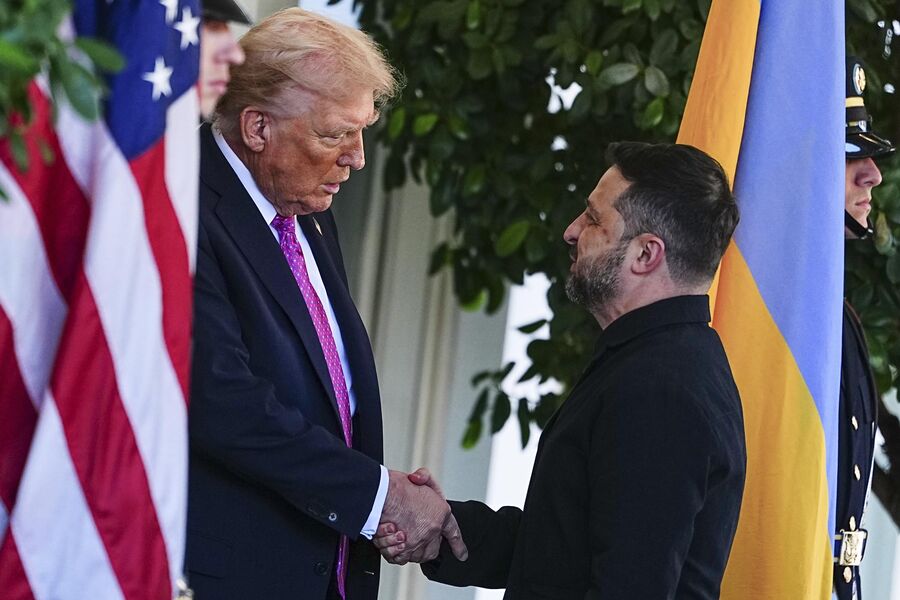
President Volodymyr Zelensky has confirmed Kyiv’s readiness to cooperate with
the United States on the 28-point peace plan proposed by Washington. He made
the statement on November 20, commenting on U.S. diplomatic efforts aimed at
accelerating the peace process.
According to diplomatic sources, the initiative
involves a number of concessions, including discussions on the future of
certain occupied territories, restrictions on the deployment of weapons, and
broader security guarantees for Russia. These provisions have raised concerns
among Ukraine’s European partners, who fear the document may pressure Kyiv into
unilateral compromises.
Zelensky: “We are ready to discuss every point as long as it does not violate our principles”.
Zelensky stated that Ukraine regards the American
proposal as a foundation for further negotiations, but emphasized that any
decisions will be made “exclusively in the interests of the Ukrainian people
and with full regard for national security.” He reiterated that Ukraine will
not agree to any arrangements that could legitimize Russian territorial gains
or limit the country’s sovereignty.
The U.S. proposal has been met with caution in several
European capitals. Some EU member states worry that Washington is seeking to
accelerate the peace process amid domestic political dynamics in the United
States, potentially pushing Ukraine toward a settlement that is politically
advantageous for America but not necessarily sustainable for European security.
According to media reports, France, Poland, and the
Baltic states have already expressed concern that the plan could effectively
cement the current front line and turn the conflict into a long-term “frozen”
scenario.
As Western military support declines and Russian
forces continue their offensive, pressure on Kyiv has been mounting. The U.S.
is attempting to construct a diplomatic framework that would reduce the
intensity of hostilities, while Ukraine remains focused on receiving continued
aid and weapons supplies.
At the same time, Ukraine’s launch of mass production
of interceptor drones, the new defense contract with France, and recent strikes
on Russian infrastructure indicate that Kyiv intends to maintain an active
posture on the battlefield.
According to political observers, Zelensky’s
willingness to “work on the plan” does not signal readiness to accept it in its
current form. Rather, Kyiv appears to be seeking to preserve the United States
as its key strategic partner while simultaneously signaling to Europe its
openness to diplomatic discussions.
However, the very wording of the U.S. initiative —
with potential territorial and military restrictions — may create domestic
pressure within Ukraine, where public opinion remains firmly opposed to
concessions, especially after months of intense fighting.
Experts warn that if Washington insists on such compromises, it could lead to serious tensions within the anti-Putin coalition and potentially alter the balance of power in Europe.


 Latest news
Latest news
Latest newsUS Sanctions Target Russias Main Pillar as Moscow Faces New Pressure on Oil Revenues
19.Sep.2026
Russia Begins State Duma Elections Amid War in Ukraine
18.Sep.2026
Bulgaria Strengthens Protection of Strategic Infrastructure Against Drones and Other Threats
18.Sep.2026
Georgia and Enka: How the Namakhvani Dispute Could Affect the Investment Climate
17.Sep.2026
Una Aleksandra Bērziņa-Čerenkova: After Russia’s Invasion, Latvia Began Banning Russian-Language Media
17.Sep.2026
Rainer Saks: Russia сould lose its influence in Armenia, just as it did in the Baltics
16.Sep.2026
Russian Drones Violated Moldovan Airspace Twice During Zelenskys Trips
16.Sep.2026
Operation Vivaldi: Ukraine Reports Advances Near Lyman as Fighting Intensifies
16.Sep.2026
Kazakhstan and South Korea Elevate Ties to Comprehensive Strategic Partnership
16.Sep.2026
Armenia Energy Diversification: Testing the Limits of Dependence on Russian Gas
15.Sep.2026
Tbilisi Distances Itself from Brussels as Kobakhidze Intensifies Criticism of European Policy
14.Sep.2026
Russia Fuel Crisis Gives the US a New Diplomatic Leverage Tool
14.Sep.2026
Trump Calls on Zelenskyy to Stop Strikes on Russian Oil Infrastructure
13.Sep.2026
Ukraine Expands Pressure on Russia’s Shadow Fleet: Moscow’s Oil Logistics Under Threat
13.Sep.2026
The Riga Conference: Europe Prepares for Long-Term Confrontation with Russia and Reshapes Its Security Architecture
12.Sep.2026