
 24 Jun 2026









Russian State Duma Approves 2026–2028 Budget: Focus on Defense and Social Support
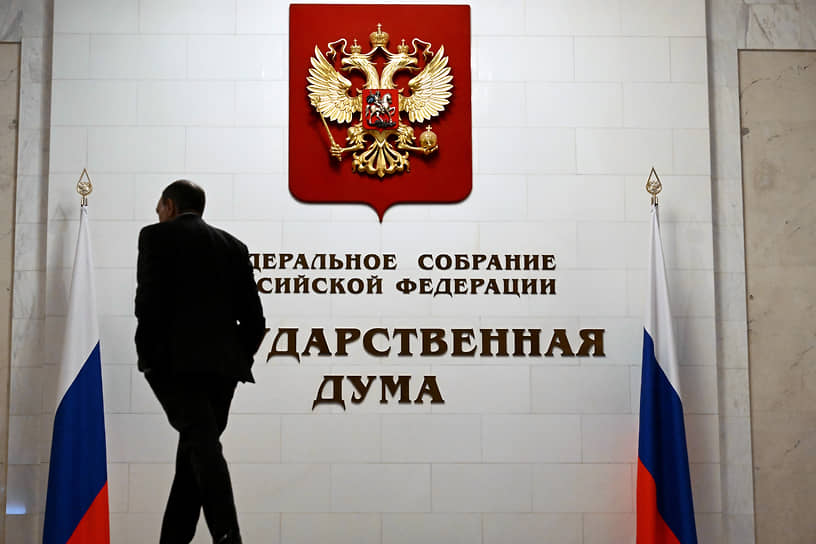
The Russian State Duma has approved the federal budget for
2026–2028. The document provides for significant spending on defense and
security, as well as the maintenance of the state’s social obligations,
including pension payments and support for vulnerable groups.
The budget includes a substantial increase in spending on
the defense sector, security forces, and national security. Experts describe
the document as a “military” budget, as the share of funds allocated to defense
remains at a record high. The budget reflects the strategy of the Russian
government amid the current geopolitical situation. High defense expenditures
signal the continued prioritization of security, especially in the context of
the ongoing international conflict.
Despite the increase in military spending, the government
promises to maintain key social obligations: pension payments, subsidies for
low-income citizens, and support for families with children. In other words,
despite the military focus, the authorities emphasize that social commitments
will remain. Experts believe that maintaining pensions and family support is a
key factor in ensuring social stability.
Part of the increased spending is planned to be covered
through higher taxes on individuals and businesses. Analysts predict an
increase in VAT, as well as possible additional levies on consumer electronics
and certain services. Thus, citizens and businesses will face a higher tax
burden, and the increase in VAT and new levies may affect the consumer sector and
lead to price increases.
According to economists, such a “military” budget can provide funding for the defense industry and strengthen national security but creates risks for economic growth and citizens’ purchasing power in the medium term.


 Latest news
Latest news
Latest newsUkraine’s Battlefield Experience Opens New Opportunities in Asia’s Drone Market
19.Jun.2026
Azerbaijan’s Oil Trap: Why the Economy Is Standing Still
18.Jun.2026
Motorcycle Noise Seen as Obstacle to Air Defense Operations in Crimea
17.Jun.2026
Rising Wages and Euro Integration: Bulgaria Enters a New Economic Era
17.Jun.2026
Armenia After June 7: Pashinyan Remains in Power, Moscow Unhappy
17.Jun.2026
$300 Billion Deal: Iran Poised to Receive the Largest Investment Package in Modern Middle Eastern History
16.Jun.2026
Infrastructure Pressure: Putin Acknowledges the Economic Impact of Ukrainian Attacks
15.Jun.2026
Kyiv and Moscow Trade Blame After Damage Reported at Kyiv Pechersk Lavra
15.Jun.2026
IMF Raises Georgia’s Economic Growth Forecast to 6.5% for 2026
15.Jun.2026
EU Opens the Door to Ukraine and Moldova as First Membership Talks Begin
14.Jun.2026