
 24 Jun 2026









Turkey Strengthens Its Air Defense: $6.5 Billion Contract Signed for the Steel Dome System
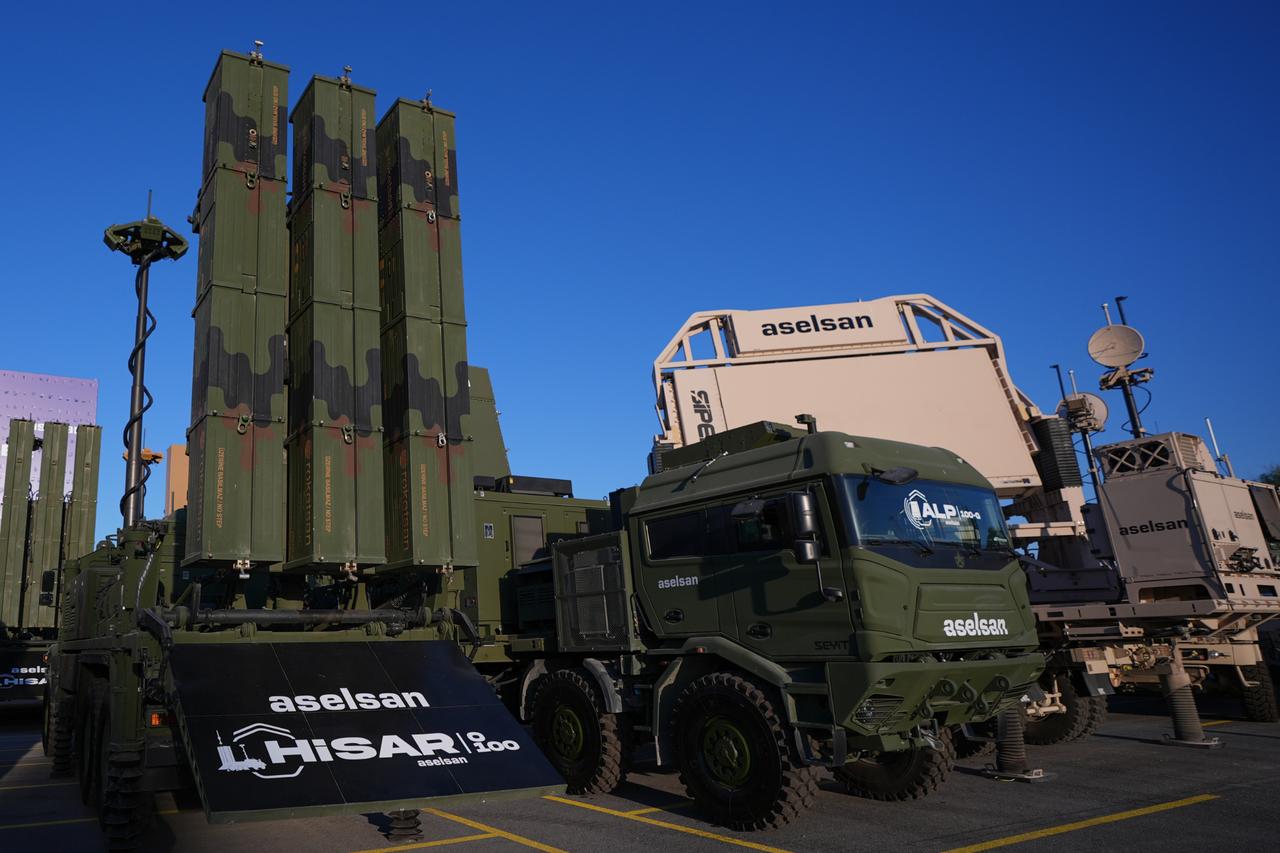
On November 26, 2025, the Turkish Defence Industries Presidency (SSB) announced the signing of contracts worth approximately $6.5 billion with the country’s leading defense companies, including Roketsan and Aselsan, to expand and further develop the national multi-layered air-defense system Steel Dome.
The contracts cover both existing systems – with short- and medium-range capabilities – and new “combat and enhanced” versions, including components for space and anti-tank defense. Officials emphasized that all elements will be produced domestically.
The Steel Dome project consists of 47 different components, including radars, missiles, electro-optical sensors, electronic warfare systems, command centers, and air-defense elements of various ranges and layers.
According to officials, implementing these contracts will significantly strengthen Turkey’s defense capabilities, enhance its deterrence posture, and accelerate the country’s transformation into one of the world’s leading arms manufacturers.
Steel Dome was conceived as a fully national alternative to foreign air-defense systems. According to statements, all hardware and software components – from radars to command-and-control systems – are being developed and produced within Turkey. This reduces dependence on external suppliers and increases strategic autonomy.
The system is designed to counter a wide range of threats: from UAVs and cruise/ballistic missiles to aircraft. As a “system of systems”, Steel Dome offers Turkey the ability to effectively protect its airspace even under complex, multi-front threat environments.

Turkey already actively exports UAVs and other defense products; the new wave of large-scale investment in Steel Dome may strengthen its position in the global arms market and expand its role from a consumer to a supplier of advanced air-defense systems. The growing interest in such an extensive project is linked to rising security challenges in the Middle East and instability around Turkey, motivating Ankara to build a reliable and modern shield to protect its territory.
In the coming years, SSB, Roketsan and Aselsan are expected to begin serial production of new systems and components – from missiles and radars to command-and-control systems. Steel Dome may gradually enter active service, likely first to protect key strategic sites and later across Turkey’s wider territory. In addition, Turkey may offer Steel Dome (or its components) to foreign partners – especially in regions facing high aerial-threat levels.
Despite the contracts, full integration of the 47-component system, along with testing and serial production, will take years. Delays or technical issues could weaken the expected impact of these investments. Strengthening air defense sends a strong signal to partners and neighbors; this may provoke criticism from countries wary of Turkey’s expanding military capabilities and could heighten regional tensions. Although exports are an appealing goal, Steel Dome will face competition from global air-defense manufacturers. Its success will depend on affordability, reliability, and interoperability with other systems. Multi-layered defense systems also require continual maintenance, upgrades, and integration support – meaning long-term financial and logistical commitments.


 Latest news
Latest news
Latest newsUkraine’s Battlefield Experience Opens New Opportunities in Asia’s Drone Market
19.Jun.2026
Azerbaijan’s Oil Trap: Why the Economy Is Standing Still
18.Jun.2026
Motorcycle Noise Seen as Obstacle to Air Defense Operations in Crimea
17.Jun.2026
Rising Wages and Euro Integration: Bulgaria Enters a New Economic Era
17.Jun.2026
Armenia After June 7: Pashinyan Remains in Power, Moscow Unhappy
17.Jun.2026
$300 Billion Deal: Iran Poised to Receive the Largest Investment Package in Modern Middle Eastern History
16.Jun.2026
Infrastructure Pressure: Putin Acknowledges the Economic Impact of Ukrainian Attacks
15.Jun.2026
Kyiv and Moscow Trade Blame After Damage Reported at Kyiv Pechersk Lavra
15.Jun.2026
IMF Raises Georgia’s Economic Growth Forecast to 6.5% for 2026
15.Jun.2026
EU Opens the Door to Ukraine and Moldova as First Membership Talks Begin
14.Jun.2026