
 24 Jun 2026









- 54% of respondents are “categorically opposed” to withdrawing troops from parts of the Donetsk region
even in exchange for security guarantees from the United States and Europe;
- Only about 39% would agree to such a step, and only
“reluctantly”;
- Approximately 70% of Ukrainians believe that the
current negotiations are unlikely to lead to a lasting peace;
- Nearly 57% are convinced that Russia would resume
its offensive even if a temporary ceasefire were reached, despite security
guarantees.
Half of Ukrainians Oppose Territorial Concessions for the Sake of Peace
A
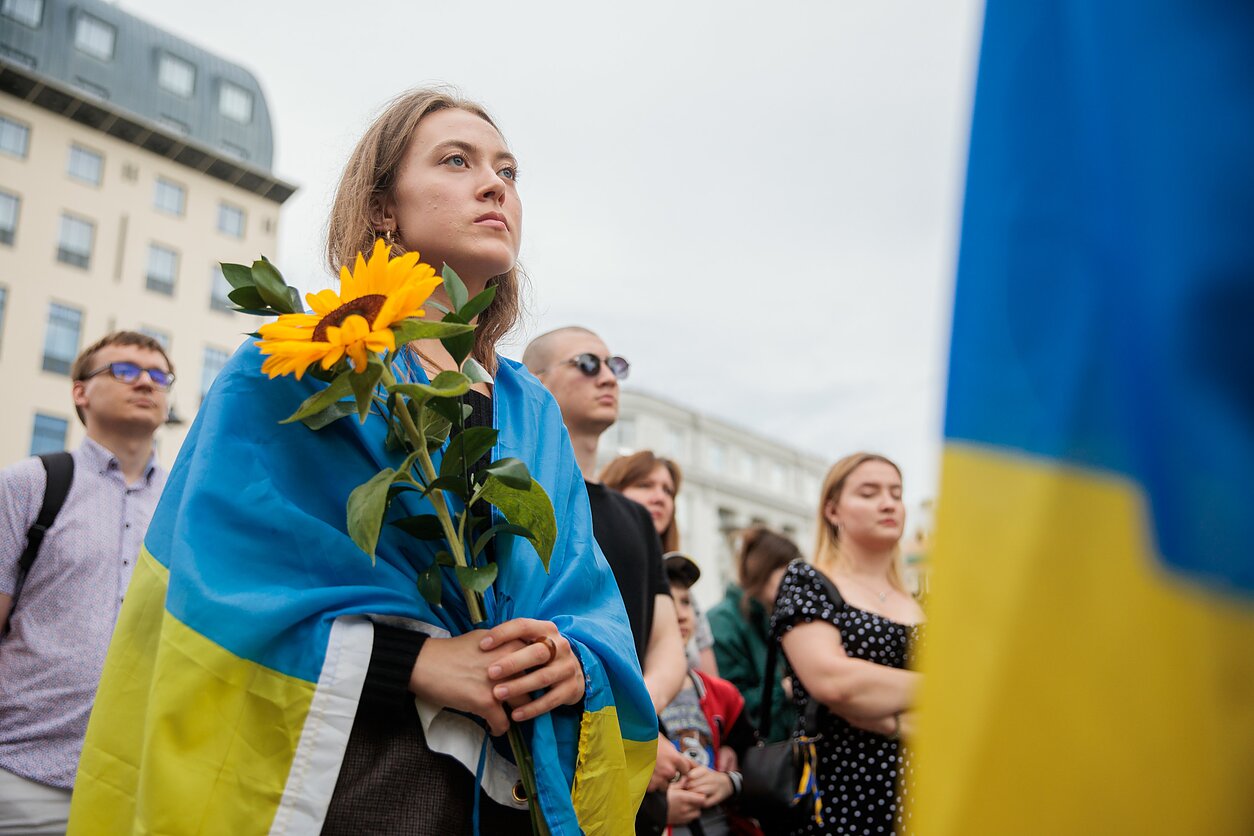
new public opinion survey shows that a significant portion of Ukraine’s
population categorically rejects
the idea of territorial concessions to Russia in exchange for security
guarantees and an end to the war. These findings confirm the consistent and resilient stance
of Ukrainian society amid nearly four years of conflict with
Moscow.
According to the results of a survey conducted by the Kyiv
International Institute of Sociology (KIIS) between 9 and 14 January 2026:
The data point to growing distrust toward international
security guarantees and peace initiatives proposed by Western partners. Many
respondents fear that such promises may not be fulfilled and express concern
about the risk of renewed Russian aggression.

The results of this week’s survey form part of a long-term
trend: since the start of Russia’s full-scale invasion in February 2022,
Ukrainians have increasingly opposed serious territorial concessions. Similar
polls conducted at the end of 2025 showed that more than half of the population
rejected any territorial concessions even for the sake of peace, while around
two-thirds were prepared to support a freezing of the conflict.
Another wave of surveys revealed broad public support for continued armed resistance:
about 77% of Ukrainians believe the
country is capable of effectively resisting Russian aggression,
and more than two-thirds are
convinced that Moscow seeks to destroy the Ukrainian nation rather than merely
seize individual territories.
On the international stage, approaches to peace initiatives
remain divided. The European Union and the United States continue to search for
ways to end the conflict, including discussions of a peace plan involving
security guarantees and the possible neutral status of Ukraine. However, these
proposals have sparked disagreements both within Ukrainian society and among
Western allies.
At the same time, Russia is actively using global platforms
to promote the idea of direct dialogue with individual European countries,
emphasizing the need for a “realistic” settlement of the conflict – an approach
that has raised concerns in Kyiv and among its partners.
Overall, the position of Ukrainian society remains firm: the majority of the population supports preserving territorial integrity, rejects any concessions, and refuses to recognize occupied territories as part of Russia. Despite war fatigue and the difficult situation on the front line, public opinion is not inclined toward compromises that could jeopardize Ukraine’s independence.


 Latest news
Latest news
Latest newsUkraine’s Battlefield Experience Opens New Opportunities in Asia’s Drone Market
19.Jun.2026
Azerbaijan’s Oil Trap: Why the Economy Is Standing Still
18.Jun.2026
Motorcycle Noise Seen as Obstacle to Air Defense Operations in Crimea
17.Jun.2026
Rising Wages and Euro Integration: Bulgaria Enters a New Economic Era
17.Jun.2026
Armenia After June 7: Pashinyan Remains in Power, Moscow Unhappy
17.Jun.2026
$300 Billion Deal: Iran Poised to Receive the Largest Investment Package in Modern Middle Eastern History
16.Jun.2026
Infrastructure Pressure: Putin Acknowledges the Economic Impact of Ukrainian Attacks
15.Jun.2026
Kyiv and Moscow Trade Blame After Damage Reported at Kyiv Pechersk Lavra
15.Jun.2026
IMF Raises Georgia’s Economic Growth Forecast to 6.5% for 2026
15.Jun.2026
EU Opens the Door to Ukraine and Moldova as First Membership Talks Begin
14.Jun.2026