
 24 Jun 2026









Protests in Georgia Continue Amid Foreign Policy Disputes
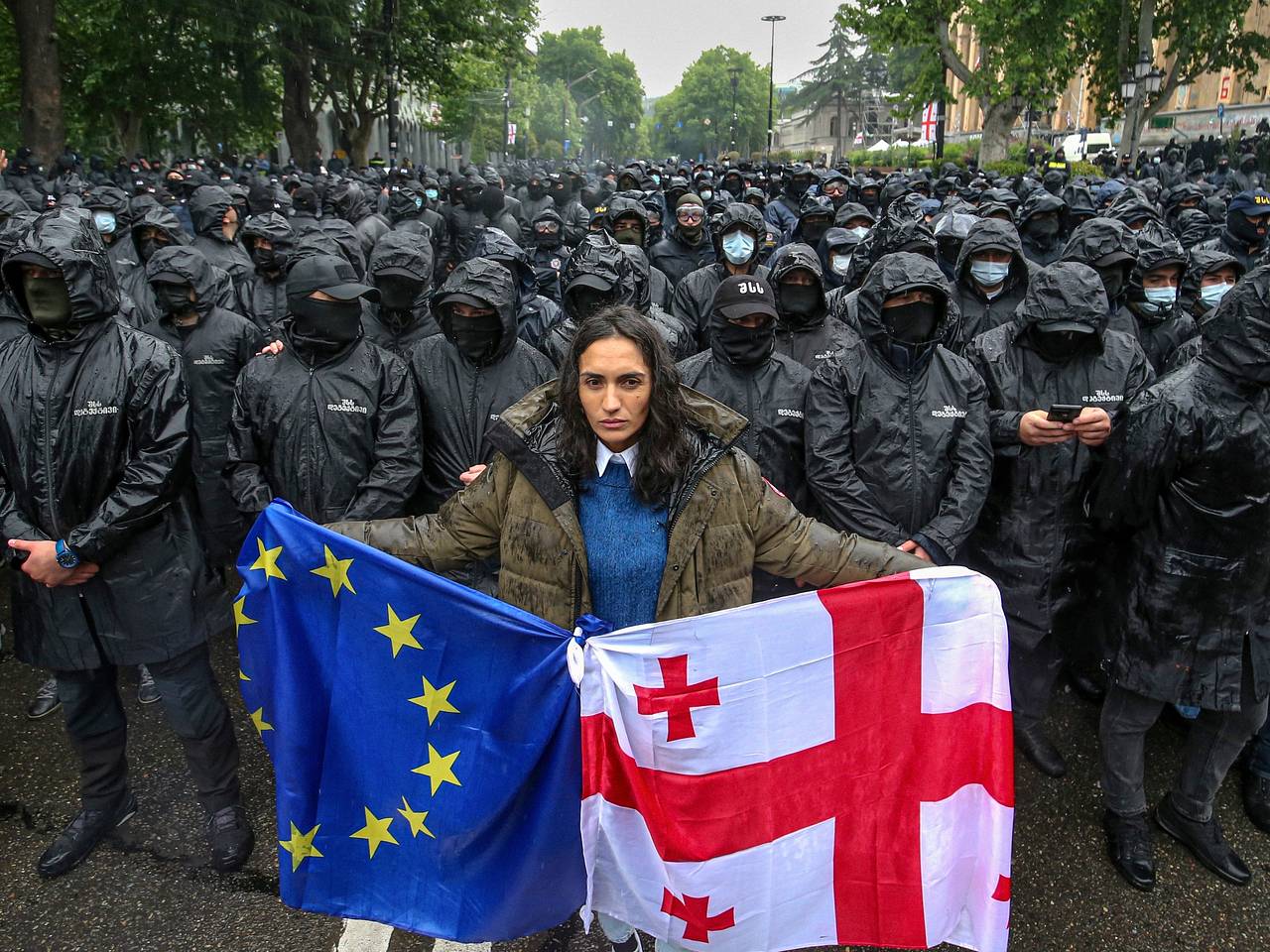
Protest actions continue in Georgia and have remained a prominent factor in the country’s domestic political agenda for several weeks. Demonstrations are taking place in the capital and a number of other cities, with participants increasingly turning to the international context and comparing developments inside the country with protest movements abroad.
In particular, Georgian activists are closely following events in Iran, discussing methods used to suppress protests and the reaction of the international community. The lack of a public condemnation of violence in Iran by the Georgian authorities has become a point of criticism for some protesters. In their view, the position of official Tbilisi appears contradictory against the backdrop of its declared commitment to democratic values and the protection of human rights.

Against this background, domestic political tensions are also intensifying. The ruling Georgian Dream party has demanded explanations from the German ambassador in Tbilisi. The reason was his meeting with activists and representatives of civic groups that the Georgian authorities consider radical or extremist. Party representatives say such contacts raise questions and require official clarification from the diplomatic mission.
Opposition forces, in turn, view the authorities’ reaction as an attempt to exert pressure on civil society and foreign partners. They argue that dialogue between diplomats and representatives of public movements is a normal practice and should not become the subject of political accusations.
Experts note that the combination of prolonged protests, disputes over foreign policy signals, and criticism from Western partners is deepening polarization within Georgian society. In the near future, they say, the situation will largely depend on whether the authorities manage to reduce tensions and establish a more transparent dialogue with protesters.


 Latest news
Latest news
Latest newsUkraine’s Battlefield Experience Opens New Opportunities in Asia’s Drone Market
19.Jun.2026
Azerbaijan’s Oil Trap: Why the Economy Is Standing Still
18.Jun.2026
Motorcycle Noise Seen as Obstacle to Air Defense Operations in Crimea
17.Jun.2026
Rising Wages and Euro Integration: Bulgaria Enters a New Economic Era
17.Jun.2026
Armenia After June 7: Pashinyan Remains in Power, Moscow Unhappy
17.Jun.2026
$300 Billion Deal: Iran Poised to Receive the Largest Investment Package in Modern Middle Eastern History
16.Jun.2026
Infrastructure Pressure: Putin Acknowledges the Economic Impact of Ukrainian Attacks
15.Jun.2026
Kyiv and Moscow Trade Blame After Damage Reported at Kyiv Pechersk Lavra
15.Jun.2026
IMF Raises Georgia’s Economic Growth Forecast to 6.5% for 2026
15.Jun.2026
EU Opens the Door to Ukraine and Moldova as First Membership Talks Begin
14.Jun.2026